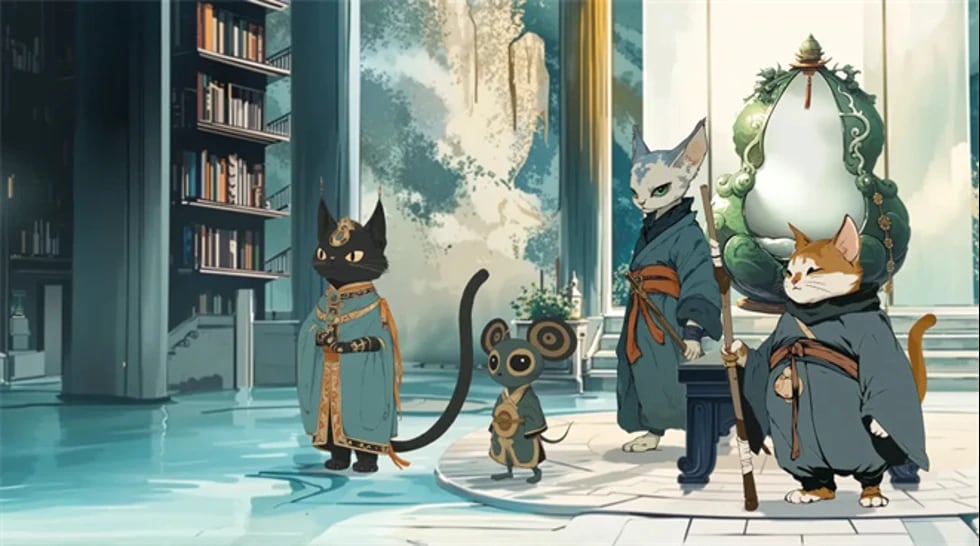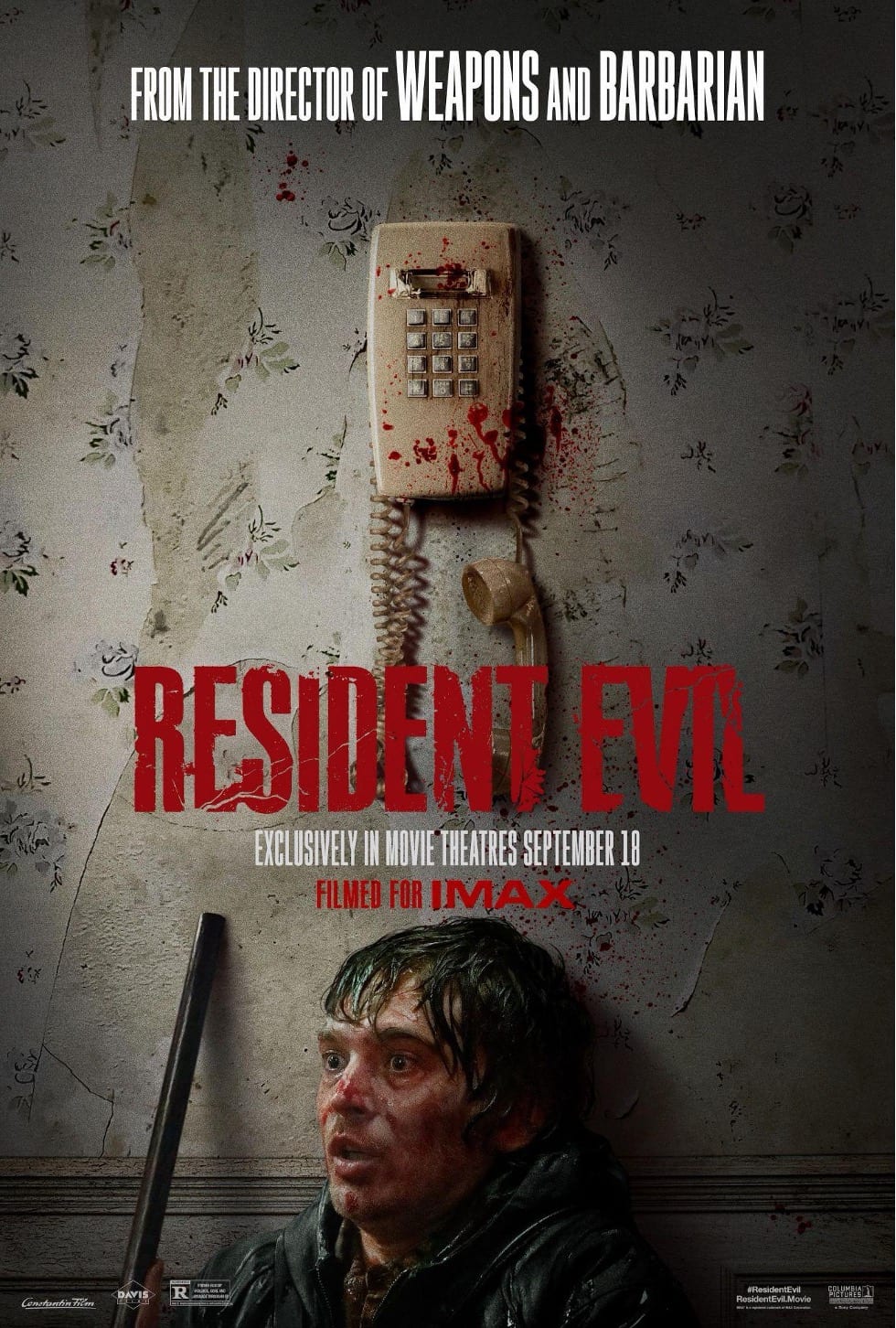
An established entertainment property gives a new product something difficult to build from scratch: an audience that already knows it and may have a reason to care. Intellectual property, or IP, in this context includes franchises such as Mario, Zelda, and Resident Evil, with their characters, fictional worlds, and stories. Their commercial value comes from the recognition and attachment built around them. That relationship can support films, merchandise, licensing partnerships, and other experiences that give people new ways to engage and spend.
For marketers, the opportunity extends beyond entertainment. A collaboration can introduce a brand to an existing fan community, give a familiar product fresh relevance, or create an occasion for purchase. But recognition alone offers little guidance about which partnership will feel credible or which extension people will want.
Video game IP deserves particular attention because audiences participate in the experience. Players make choices, develop skills, explore worlds, and sometimes build social connections around a game. Their attachment may involve memories of what they did and how it felt, as much as the characters they recognize. Moving that relationship into a film, a product, or a brand collaboration creates both commercial opportunity and a difficult translation problem.
The current wave of adaptations makes that problem timely. The Super Mario Galaxy Movie and the new Resident Evil film bring game franchises into theaters, while The Last of Us and Fallout reach television audiences. Upcoming films based on Zelda and Elden Ring add to the momentum. Each creates a chance to reach newcomers and renew interest among existing fans. Each also raises a question brands should ask before extending their own assets: What do audiences value about the original, and how can the new experience deliver it?
Why The Opportunity Reaches Beyond The Screen
A game franchise can offer several routes into the same audience relationship. Someone might encounter it through a film, return to an older game, buy a collectible, or attend a live event. Nintendo’s Zelda anniversary plans illustrate that breadth, spanning games, concerts, collectibles, and a film. The business opportunity lies in giving audiences additional reasons to engage across the property.
For a brand considering a partnership, this means evaluating more than the size or visibility of a franchise. A food, apparel, or travel brand needs to understand the connection it can credibly offer fans. A familiar character may attract attention, but the collaboration still needs a reason to exist in that category.
Games also expose an issue that applies to any brand extension: the most recognizable assets may be different from the elements that sustain attachment. A logo is easy to reproduce. The feeling of discovery, mastery, comfort, or belonging takes more thought to translate.
Preserve The Experience Audiences Value
Nintendo describes the Zelda film, scheduled for April 30, 2027, as an original story drawing on four decades of games. Without a single game as its blueprint, the film raises useful research questions. Do audiences expect particular characters and mythology, a sense of exploration, or the wonder of discovering an unfamiliar world? Would fans who began with Ocarina of Time answer differently from those introduced through Breath of the Wild?
These are questions for research, not conclusions about Zelda audiences. Familiar franchise imagery cannot answer them.
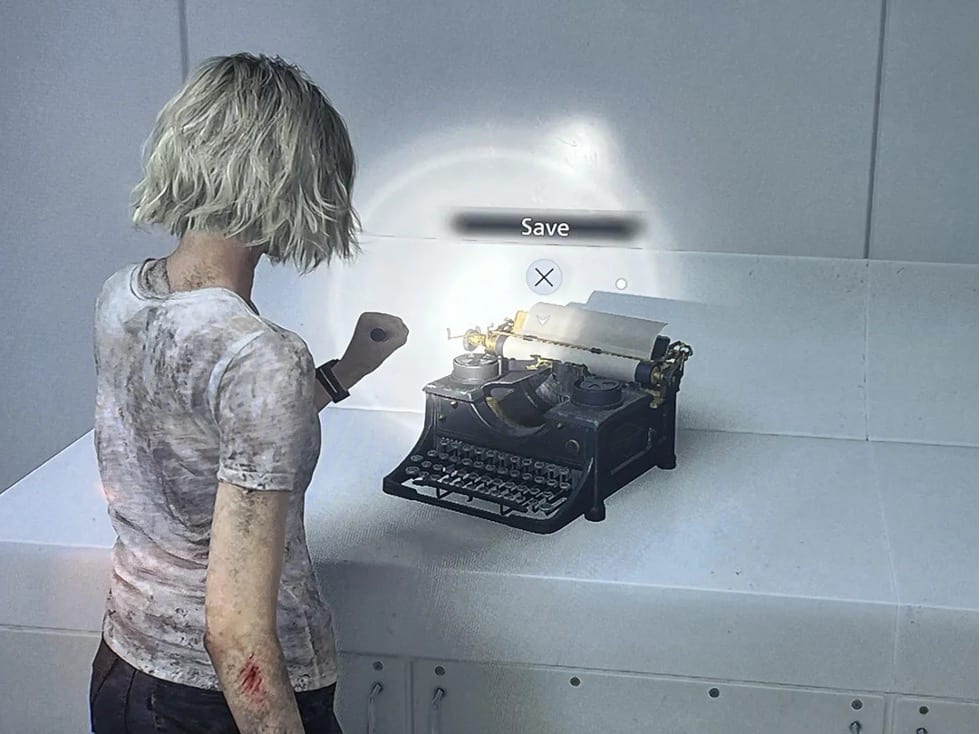
Resident Evil director Zach Cregger offers a more concrete example. In a PlayStation interview, he describes wanting to preserve the games’ resource conservation: limited ammunition and healing items, difficult decisions about what to carry, and deliberate movement through dangerous environments. His film tells an original story within the franchise’s world.
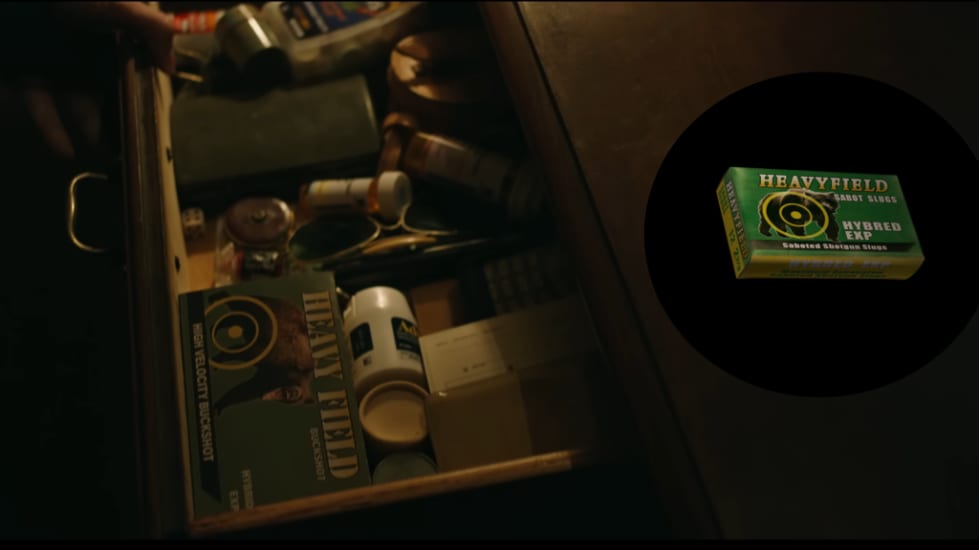
A film cannot give viewers control over those decisions. It can attempt to recreate the vulnerability and mounting tension they produce. That is the distinction between literal fidelity, which reproduces familiar elements, and experiential fidelity, which preserves the underlying experience people value.
The same distinction applies to a hypothetical heritage food brand considering apparel. If attachment centers on family meals and a preparation ritual, a sweatshirt featuring the packaging may offer recognition while carrying little of that relationship. A culinary collaboration could provide a stronger connection. If consumers already use the visual identity as playful self-expression, apparel may be a credible extension. Research should establish which interpretation fits the audience.
Distinguish What Is Essential From What Can Evolve
The central research challenge is straightforward: familiarity and importance are different. Consumers may recognize an element because they have seen it repeatedly, without considering it essential to the property. A less visible quality may be central to why they return.
A useful way to organize the evidence is to distinguish three types of equity, meaning the assets and associations that contribute to audience value:
- Core equities are fundamental to the identity or experience of the property. Substantially changing them risks weakening attachment even when recognizable imagery remains.
- Flexible equities contribute to recognition or affinity but have room to evolve across formats, categories, or audiences.
- Legacy cues carry history or nostalgia without necessarily defining what people expect today. A retired mascot, for example, might work well in a limited-edition activation without needing to appear in every extension.
These categories are research hypotheses to test. Qualitative work can uncover defining experiences, what people would miss, and what distinguishes the property from alternatives. Quantitative research can assess how widely those views are shared and how they relate to attachment or preference. Concept and trade-off testing can vary or remove elements to examine when authenticity, interest, or willingness to engage begins to decline.
This gives creative teams evidence about what to protect and where they have freedom before the execution is fixed.
Different Audiences May Value Different Things
A long-running franchise rarely has one uniform audience. Devoted fans, casual followers, lapsed players, and newcomers can assign different significance to the same element. Earlier generations may attach nostalgia to a particular visual style, while recent players associate the property with a different experience.
Research should therefore compare people by their relationship to the IP as well as relevant demographic and cultural differences. For brands seeking broader reach, this includes testing whether a collaboration’s meaning carries across cultural communities and whether newcomers can enjoy it without knowing the references.
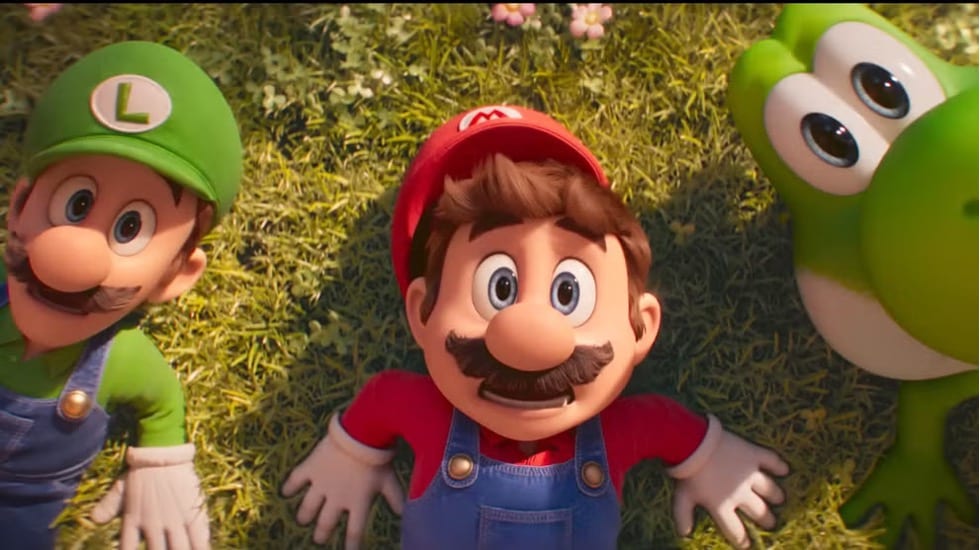
Highly visible fan commentary can help identify questions, but it cannot establish how widespread a view is. David Chen’s review of The Super Mario Galaxy Movie, for example, argues that familiar game references crowd out narrative and emotional development. That is one critic’s assessment, not evidence of a consensus among fans. It does, however, suggest a question worth testing: Are recognizable elements enriching the experience or carrying expectations the new format does not fulfill?
The purpose is to understand audience expectations well enough to make deliberate creative choices. Consumer research should inform the boundaries, while leaving room for creative judgment.
Define the Commercial Goal Before Measuring Success
An extension may bring in newcomers, reactivate lapsed fans, deepen existing relationships, or broaden the property’s relevance. Each goal requires different evidence of success.
Alinea Analytics’ analysis of Resident Evil after the film’s September 18 release illustrates the distinction. It reported increased daily active users across the games it tracked, including a 48% increase for the Resident Evil 2 remake. Discounts overlapped with the release, so that change cannot be attributed entirely to the movie.
Using periods before and after the film opened at the same discounted prices, Alinea estimated additional sales lift of 50–65% for the Resident Evil 2 and Resident Evil 4 remakes on PS5, and 11–14% on Steam. Those estimates were relative to an already discounted baseline, not full-price demand. The analyst interpreted the pattern as stronger reactivation of existing fans than acquisition of new ones; it is not a direct measurement of each buyer’s prior relationship to the franchise.
The practical lesson is to measure beyond the extension itself. A film’s performance and renewed game engagement answer different questions. Likewise, a brand collaboration may generate substantial attention without recruiting new customers or increasing repeat purchase. The intended audience and commercial outcome should determine the measures.
What Brands Should Do Before Extending IP
For marketers, the examples point to four decisions that research can clarify before a partnership or extension takes shape:
- Identify the audience opportunity. Decide whether the goal is to recruit, reactivate, deepen engagement, or reach adjacent audiences. Establish what the new expression offers each group.
- Map the source of attachment. Separate awareness of characters, logos, and other assets from the experiences and associations that drive preference.
- Test the fit and permission to change. Explore whether the property belongs in the proposed category and which changes audiences will accept. Evaluate the experience as well as the visible references.
- Measure the intended outcome. Track acquisition, repeat engagement, purchase, or other relevant behavior across the wider brand or franchise, rather than relying on launch attention alone.
Video game IP makes the stakes particularly clear because something essential changes when players become viewers or shoppers: they lose the ability to act within the world. The extension has to give them another rewarding way to connect with it.
At Sparkle Insights, we approach these decisions through the audience relationship: what people value, how that differs across communities, and which elements can carry into a new context. That understanding helps brands choose partnerships and develop extensions with a credible reason for audiences to engage.
Sources
- Nintendo. The Legend of Zelda 40th Anniversary celebration revealed in new Nintendo Direct presentation. 8 September 2026.
- Kristen Zitani for PlayStation Blog. Resident Evil Q&A Director Zach Cregger shares inspirations and a new film teaser. 30 April 2026. Read source
- David Chen for Decoding Everything. The Super Mario Galaxy Movie Left Me Feeling Empty Inside. 2 April 2026.
- Rhys Elliott for Alinea Analytics. Resident Evil special Requiem passed $500M but has the movie impacted franchise sales. 25 September 2026.