The controversy surrounding the Grammys’ new “Best Asian Pop Music Performance” category raises a question that extends well beyond music: When does an effort to increase representation actually reinforce the boundaries it is trying to dismantle?
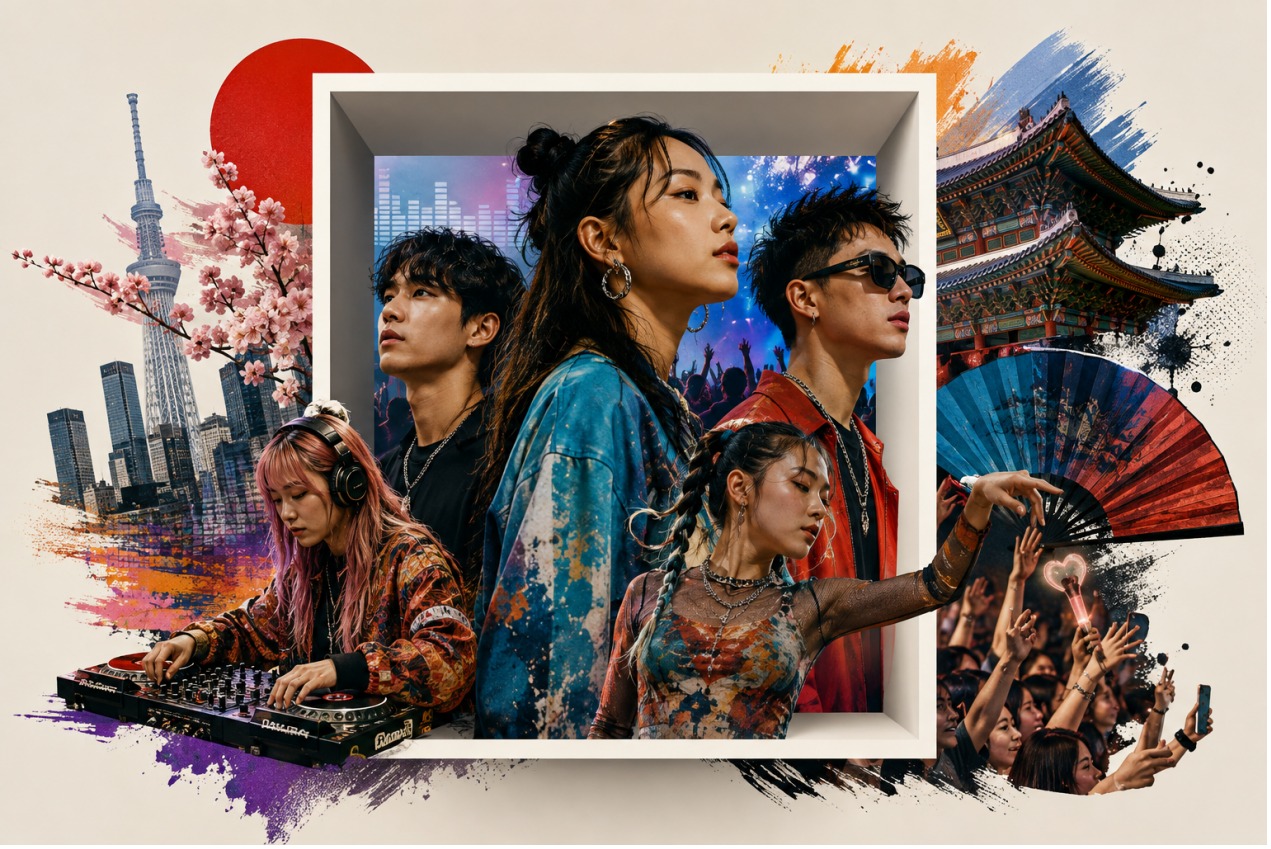
For the 2027 Grammy Awards, the Recording Academy introduced a category recognizing “Asian pop,” broadly encompassing music associated with K-pop, J-pop and C-pop and requiring meaningful use of one or more Asian languages. BTS subsequently announced that they would not submit their music for Grammy consideration, saying they hoped music could be “heard and loved for what it is, rather than being divided by region or language.”
Whatever one thinks of the new category, the debate offers an important lesson for brands trying to understand and engage multicultural consumers. Recognition can create visibility, but visibility does not automatically produce understanding.
The Representation Paradox
Creating a dedicated category can be an important act of recognition, particularly for artists who have historically struggled to receive attention within mainstream institutions. At the same time, the act of creating a category inevitably creates boundaries around what belongs inside it.
“Asian pop” may sound straightforward until we consider what the term is being asked to contain. K-pop, Japanese hip-hop, Filipino pop and Chinese-language singer-songwriters may all originate in Asia, but that does not make them expressions of one coherent cultural or musical category. Asia encompasses enormous linguistic, cultural and creative diversity, while even terms such as K-pop, J-pop and C-pop can conceal significant differences within individual markets.
The same tension appears frequently in multicultural marketing. Terms such as “Asian American,” “Hispanic,” “Gen Z” and “multicultural consumer” serve important purposes because they allow organizations to measure audiences, allocate resources and identify differences that might otherwise remain invisible.
The problem arises when the category itself is treated as the insight.
A demographic label can tell us who has been grouped together, but it cannot, by itself, explain what those people value, how they identify, which cultural influences matter to them or why they behave the way they do. Those answers require a deeper understanding of the people within the category.
When Visibility Becomes Containment
The Grammy debate also raises a more complicated question about representation. Creating a separate space for an underrepresented group can increase recognition while inadvertently suggesting that this is the space where the group belongs.
For a globally successful Korean artist, recognition in an “Asian pop” category could represent an expansion of opportunity. At the same time, a category designed specifically to recognize Asian artists could make it easier to continue seeing their work as separate from pop music more broadly. That tension becomes particularly significant when artists such as BTS have already demonstrated that music originating in Asia can participate directly in global mainstream culture.
Brands encounter versions of this dilemma all the time. A company may launch an Asian American campaign during AANHPI Heritage Month, a retailer may develop a multicultural product assortment, or a media plan may establish a dedicated multicultural audience segment. Each initiative can create meaningful visibility and address genuine gaps in representation.
The risk emerges when these designated spaces become the primary places where those consumers are seen. Asian American consumers are relevant far beyond “Asian” marketing, just as Latino consumers are relevant far beyond Hispanic campaigns. Multicultural consumers do not become strategically important only during heritage months or when a brand activates a multicultural initiative.
Representation becomes containment when inclusion is concentrated within a designated cultural box rather than integrated into the broader way an organization understands its market.
For brands, the strategic question therefore cannot stop at, “Are we representing this audience?” It also needs to include, “How are we defining this audience, and what might that definition prevent us from seeing?”
Culture Is Moving Faster Than Our Categories
The Grammy debate reflects another important shift: culture increasingly moves across borders in ways that conventional demographic frameworks struggle to capture.
For decades, Western institutions often treated success in the United States as the ultimate validation of international cultural relevance. That framework is becoming increasingly difficult to reconcile with the way culture now travels.
Korean entertainment reaches audiences around the world. Japanese media, fashion and aesthetics influence global youth culture. Chinese digital platforms and commerce models have shaped conversations about shopping, content and platform design. Southeast Asian creators participate in regional and global cultural networks, while artists increasingly collaborate across countries without necessarily passing through the United States as their cultural intermediary.
Cultural exchange also happens extensively within Asia itself. Those connections can be easy to overlook when individual markets are viewed primarily through the lens of their success or visibility in the West.
Consumers, particularly younger consumers, encounter these cultural flows as part of everyday life. A Gen Z consumer in Los Angeles might participate in Korean fandom, follow Japanese fashion, watch Filipino creators, listen to American hip-hop and exchange cultural references with online communities around the world. None of those behaviors necessarily replaces or diminishes that person’s demographic identity, but together they create a cultural world that a single demographic label cannot adequately describe.
This reality suggests that marketers need to expand the questions they ask. “Which demographic group does this consumer belong to?” remains useful, but it should increasingly be accompanied by “Which cultural worlds does this consumer participate in?”
The second question can reveal affinities, influences and communities that traditional segmentation may overlook.
Sparkle Point of View: Representation Should Expand Understanding, Not Reduce It
We believe multicultural representation is most valuable when it expands how organizations understand consumers rather than simply creating new boxes for them.
Research design has an important role to play as well. Consumers need opportunities to describe the identities, communities and influences that matter to them rather than always being asked to locate themselves within categories researchers have predefined. Some of the most valuable insights may emerge precisely where consumers do not fit neatly into the boxes an organization expected them to occupy.
The Brand Lesson: Do Not Confuse Segmentation With Understanding
None of this means brands should abandon demographic categories. They remain important for measuring representation, identifying disparities, sizing audiences and analyzing differences in consumer behavior. The distinction is that categories should function as the beginning of inquiry rather than the conclusion.
For marketers and insights teams, that means asking deeper questions:
- What identities actually matter to consumers in this particular context?
- Which cultural influences shape their tastes and decisions?
- Where do nationality, ethnicity, generation and language meaningfully affect behavior?
- Where do those distinctions matter less?
- How do consumers describe themselves when researchers do not supply the categories first?
- Which cultural communities and affinities cross the demographic boundaries marketers traditionally use?
These questions are becoming particularly important as younger consumers grow up in media environments where culture is increasingly global, participatory and interconnected. Someone does not have to be Korean to participate deeply in K-pop culture, nor does someone have to be Japanese to be influenced by anime, Japanese fashion or beauty. Cultural affinity and demographic identity frequently intersect, but they are not interchangeable.
Understanding that distinction can help brands uncover opportunities that demographic segmentation alone may not reveal. It can also prevent marketers from assuming that everyone within an umbrella category shares the same relationship to a cultural reference simply because of their ethnicity.
A Better Question Than “Are We Inclusive?”
The debate over “Asian pop” illustrates a challenge that brands will encounter more frequently as audiences become more culturally interconnected. Consumers may value recognition while simultaneously resisting definitions that reduce the complexity of who they are.
The organizations that navigate multicultural markets most effectively will therefore need to do more than increase representation within existing frameworks. They will also need to examine the assumptions built into those frameworks and remain willing to change them when consumer realities no longer fit.
The lesson from the Grammys is not that categories have no value. Categories make patterns visible, enable measurement and can help correct longstanding gaps in representation. Their limitations appear when classification is mistaken for cultural understanding.
For brands, moving beyond that limitation means asking not only whether an audience has been represented, but also how that audience has been defined, what meaningful differences exist within it and which cultural influences travel beyond its boundaries. Sometimes the most important multicultural insight is recognizing that the category designed to help us see an audience more clearly may also be hiding part of what we need to understand.