Nike has a problem most brands would love to have: almost everyone knows Nike. The Swoosh remains one of the most recognizable symbols in sports, backed by decades of cultural equity, relationships with some of the world's most famous athletes and a place in popular culture that newer competitors cannot easily replicate.
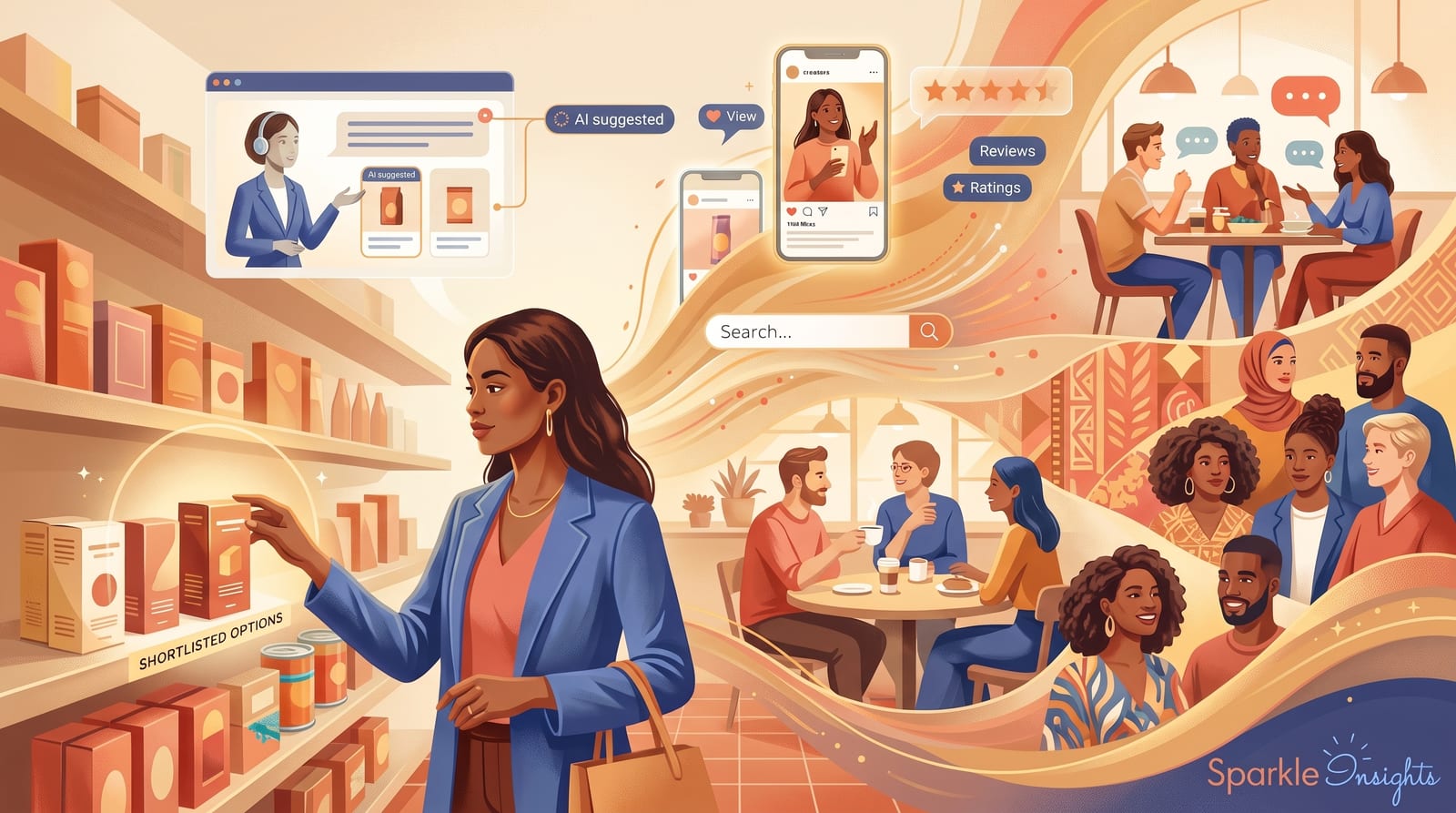
But the conditions that once allowed broad brand fame to carry easily across a category are changing. Three shifts are happening at the same time: fragmented attention, fragmented lifestyles and fragmented authority. Consumers discover products through a wider mix of creators, communities, specialty media, retailers and peers. They organize their lives around increasingly specific activities and identities. And credibility is often earned inside those contexts rather than granted automatically to the biggest brand.
Generational and value change reinforce the shift. Younger consumers may know legacy brands without inheriting the same assumptions about which brands are most authoritative, while consumers across age groups can evaluate brands through performance, community participation, design, wellness, identity and other values that matter within a particular context.
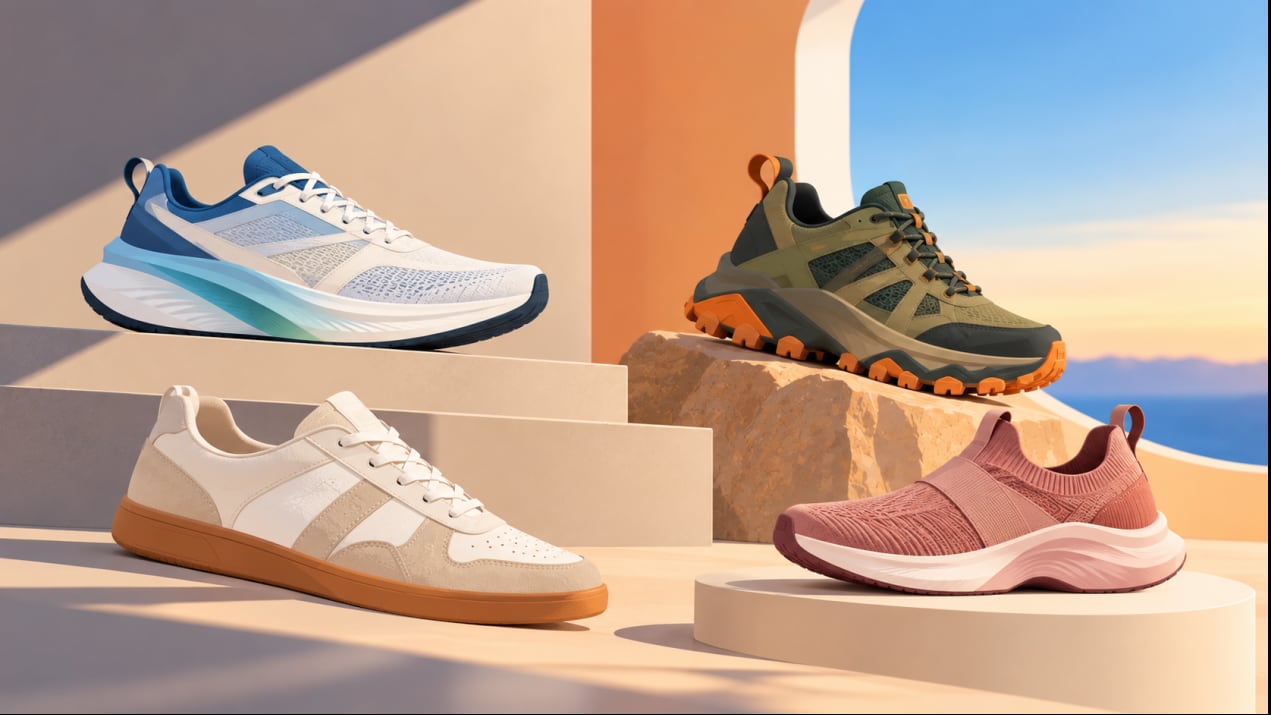
Running makes the change easy to see. Consumers do not simply shop "running." They train for marathons, join run clubs, hit trails, walk for fitness and wear performance shoes as everyday fashion. Fitness stretches across strength training, Pilates, boutique classes and HYROX, while yoga increasingly overlaps with wellness and lifestyle. Each context creates another moment in which consumers decide which brands feel credible, useful and connected to what they are doing.
That creates what marketers can think of as a context gap: the distance between how broadly a brand is known and how relevant it is when consumers enter a particular situation, community or occasion. Awareness asks, "Do consumers know us?" Contextual relevance asks, "Do we come to mind when consumers have this particular need or goal?" The context gap is not new, but fragmented attention, lifestyles and authority can make it larger, more visible and faster-moving.
Finding the Context Gap
Traditional brand tracking often starts with awareness, consideration, preference and purchase intent. Those measures remain useful, but aggregate scores can conceal how consumers think within specific situations.
Four signals can help reveal the gap:
- Situational first mention: Which brand comes to mind first when consumers think about this particular need or occasion?
- Community recommendation: Which brands do experienced participants recommend to someone in this situation?
- Organic community presence: Which brands appear naturally in relevant product discussions, creator content and community activity?
- Behavioral choice: Which brands are consumers actually choosing, purchasing or repurchasing for this need?
These signals become more useful when compared with broad awareness. Imagine a brand that 90% of runners know, but only 18% name first when thinking about trail running. If experienced trail runners also recommend a less famous competitor, the first brand does not have an awareness problem. It has a context gap.
The strategic question then changes from "How do we reach more runners?" to "Why are we less relevant when runners enter this particular context?" Product performance, specialty distribution, creators, events, community participation or recommendations from experienced runners may all be part of the answer.
Why Nike Makes the Context Gap Visible
Nike is a useful case study because extraordinary recognition can coexist with uneven relevance across specific contexts. Its challenges are also occurring alongside growth in parts of the athletic footwear market: Nike generated $46.4 billion in fiscal 2026 revenue, with currency-neutral revenue down 2%, while Circana reported that U.S. performance footwear grew 6% in dollar sales during the first half of 2026 and running footwear grew 13% in both dollars and units.
That contrast is what makes the case instructive. Aggregate brand strength and aggregate category growth do not reveal where authority is being gained or lost. To understand that, marketers need to look at the situations, communities and occasions in which consumers are actually making choices.
What Context Looks Like
Running provides a particularly clear illustration. Running USA's 2024 National Shoe Brand Trends research examined footwear worn by more than 100,000 road-race participants. Runner's World, reporting on the study, found Nike on 21.3% of all finishers and 31.8% of marathon finishers.
The American Trail Running Association (ATRA) looked at a very different population in 2025. In its relatively small survey of more than 500 people, 90% of whom were age 40 or older, Hoka accounted for 20.2% of reported running-shoe choices, compared with 3.6% for Nike.
The studies use different populations and methodologies, so their percentages should not be treated as competing market shares. Their value is that they show how much the competitive picture can change depending on which part of "running" is being examined. Nike can be highly prominent in marathon race-day footwear while Hoka has much greater prominence within a particular trail-running survey.
For marketers, the more useful question is not simply how strong a brand is, but where, for whom and when it is strong.
How Brands Build Authority Inside a Context
Hoka shows how a specialist position can become a platform for broader category expansion. Originally designed for ultrarunners, the brand now spans running, trail, hiking, fitness and lifestyle footwear, and its fiscal 2026 revenue increased 15.9% to approximately $2.59 billion.
On shows how authority in one activity can support expansion into adjacent categories. The company has grown beyond its running roots, with apparel sales increasing 56.2% on a constant-currency basis in the second quarter of 2026.
Adidas illustrates the strategy from the opposite direction: an established global brand building around a more specific activity. Around HYROX, the company has developed fitness-racing footwear and reported that more than 150 Adidas athletes competed across categories at the 2026 HYROX World Championships.
The point is not that these brands have necessarily taken measurable business directly from Nike. Each illustrates a different route to contextual authority: Hoka built from a specialist position, On expanded from running into adjacent categories, and Adidas used an established global brand to build around a more specific activity. Specificity alone is no guarantee of success; product-market fit, economics and execution still matter.
For market leaders: Category leadership does not automatically translate into leadership across every important context. The objective is not to chase every niche, but to identify the activities, needs or communities where declining relevance could eventually affect the broader business.
For challengers: A smaller brand does not need broad fame before it can become important. A challenger can establish authority within a specific context and use that position as a base for broader expansion.
Reaching the Right People Is Not the Same as Being Relevant to Them
Modern media has become extraordinarily sophisticated at finding audiences. But fragmented attention also means that finding people is not the same as earning authority with them. A consumer may encounter a brand through paid media while relying on creators, peers, specialty retailers or communities to decide what feels credible for a particular need.
A company can target trail runners perfectly through paid media while still having little credibility among trail runners. You can become extremely good at finding the right people without becoming more relevant to them.
That is why targeting needs to begin before the media plan. Category Entry Points, developed through the Ehrenberg-Bass Institute, provide one useful framework by identifying the cues that bring a buying situation and particular brands to mind. In practical terms, the question becomes: what is happening in a consumer's life when the brand needs to be remembered?
The planning shift can be simple:
- Audience-first: Women 25 to 44 who exercise.
- Context-first: People preparing for their first half marathon.
The first tells a media planner whom to find. The second begins to tell the wider organization what the consumer is trying to accomplish, which competitors may already have authority and what information or reassurance the consumer needs.
A context-first approach does not eliminate demographic, behavioral or platform targeting. It gives those tools a more meaningful starting point. Once the context is defined, product teams can identify needs worth investing in, retail teams can identify channels that carry authority, partnerships can focus on credible creators and communities, and communications can address the needs that brought consumers into the category.
Broad-reach advertising still matters because mental availability remains valuable, particularly for large brands that need to reach future buyers. The opportunity is not to replace scale with niche marketing. It is to make sure broad recognition is supported by relevance in the contexts that matter most — especially as attention, lifestyles and authority continue to fragment.
Measure the Context Gap, Not Just the Brand
Marketers do not need to abandon familiar measures such as awareness, consideration or brand lift. They need to examine how those measures change across the occasions and communities that matter most.
Two patterns are particularly revealing. High awareness paired with weak situational consideration suggests a brand may need greater product relevance, credibility or community presence. Low awareness paired with strong community recommendation suggests a challenger may already possess authority within a context and an opportunity to scale it.
For brand teams, the next planning cycle can start with three questions:
- Which occasions, communities or Category Entry Points are becoming more important to our category?
- Where does broad awareness stop translating into stronger consideration, recommendation or behavior?
- Which competitors are earning authority inside those contexts before their strength becomes obvious in aggregate market share?
The answers should shape more than the research dashboard. They can inform product priorities, retail and distribution, partnerships, community investment, creative strategy and media planning. The objective is not to spread investment across every possible niche, but to identify the few contexts where a gap between recognition and relevance could materially shape future growth.
Brand recognition gives a company the opportunity to compete. Relevance determines whether consumers choose it in the specific moments that matter — and in a market shaped by fragmented attention, fragmented lifestyles and fragmented authority, those moments increasingly determine where brand strength is built or lost.
References
- Adidas. "Hybrid Hotel: Launching the Adizero Dropset Pro on the Global Stage." Adidas Group, 19 June 2026.
- American Trail Running Association. "Spring 2025 Trail Runner Survey Results." American Trail Running Association, 15 July 2025.
- Circana. "Performance Shoe Sales Pick Up the Pace Amid Selective US Consumer Spending in the Footwear Market." Circana, 17 Aug. 2026.
- Deckers Outdoor Corporation. "Annual Report for the Fiscal Year Ended March 31, 2026." U.S. Securities and Exchange Commission, 2026.
- Financial Times. "How Nike Fell Off the Pace in China." 30 Sept. 2026.
- Nike, Inc. "One Year In, the CEO of Sport Is Taking Nike Back to Its Roots." Nike, 15 Oct. 2025.
- Nike, Inc. "NIKE, Inc. Reports Fiscal 2026 Fourth Quarter and Full Year Results." Nike Investor Relations, 30 June 2026.
- On Holding AG. "On Reports Results for the Second Quarter and Six-Month Period Ended June 30, 2026." On Holding, 11 Aug. 2026.
- Romaniuk, Jenni. "Category Entry Points in a Business-to-Business (B2B) World." Ehrenberg-Bass Institute for Marketing Science, July 2022.
- Running USA. "2024 National Shoe Brand Trends." Running USA, 2024.
- Runner's World. "The Most Popular Running Shoe Brands of 2024." Runner's World, 2024.
- Young, Vicki M. "Analyst Says Nike's No Longer the Industry Bellwether as Athletic Performance Continues to Be a Bright Spot for Many." Footwear News, 2 Sept. 2026.