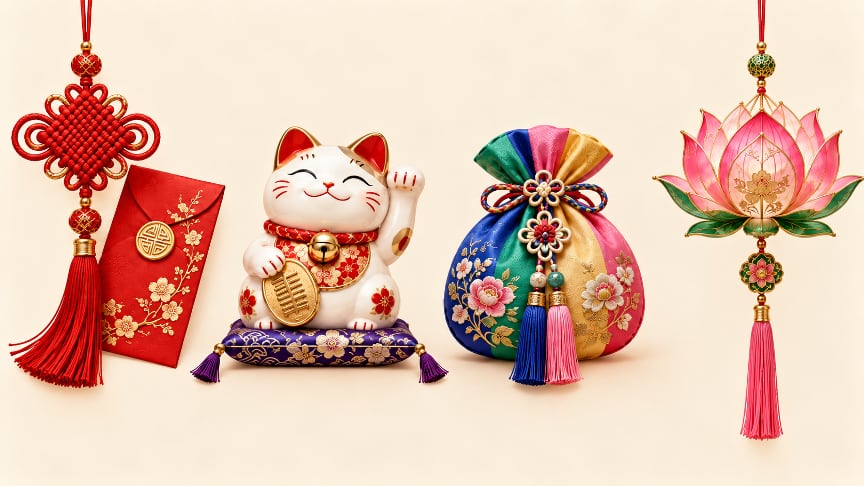
Across parts of Asia, longstanding beliefs about luck and fortune are taking distinctly contemporary forms. Fortune readings are becoming AI-powered apps, auspicious symbols are appearing in luxury jewelry, and lucky objects are becoming phone accessories. Behind these behaviors is a familiar human need: finding ways to navigate uncertainty.
Traditions around fortune and auspicious meaning can offer reassurance, a sense of agency, or a way to make aspirations feel more tangible. Their value does not require literal belief; they can also express identity, aesthetics, and personal meaning.
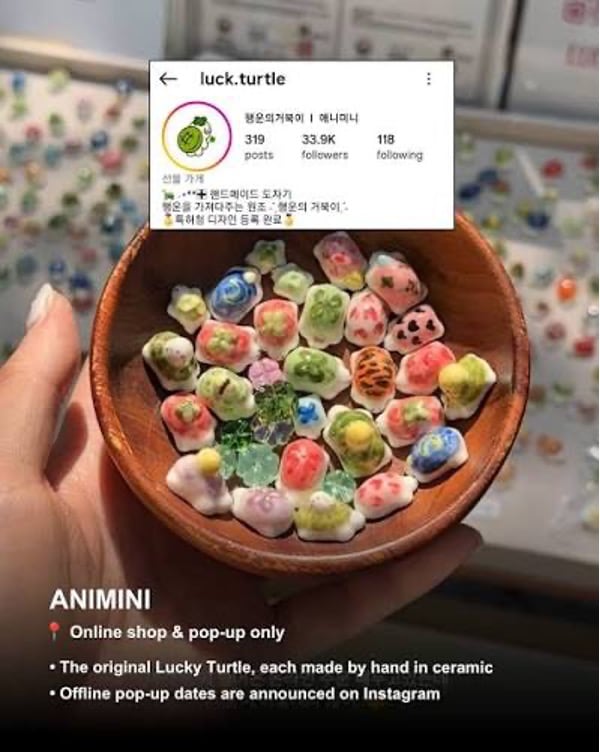
South Korea's haengbugi, or "lucky turtle," captures this shift in miniature. The fingernail-sized charms are attached to phones, bags, and other personal items, with versions associated with wishes for love, wealth, and success. Ceramic artist Hwang Se-rin developed the original porcelain turtles for her 2023 university graduation exhibition and later sold them through her Animini brand. Dong-A Ilbo reported that Animini's Instagram following had grown to more than 35,000 by August 2026. A symbol associated with longevity had become a contemporary collectible and accessory.
Fortune Is Taking New Forms
The same adaptation is visible in South Korea's digital fortune market. In July 2026, five leading fortune apps recorded a combined 1.24 million monthly active users, according to Seoul Economic Daily. Six of the country's ten most-used fortune apps included AI features, with readings delivered through chatbots, characters, webtoons, images, and video.
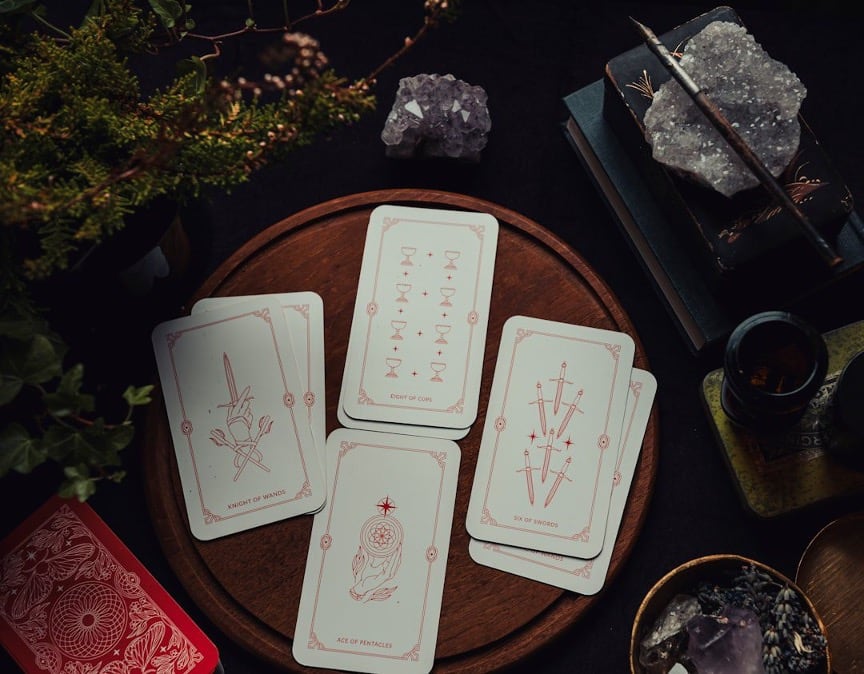
The format changes the role of fortune-telling. Instead of requiring a formal visit to a practitioner, a reading can become an immediate response to a question about work, relationships, money, or what comes next — functioning as guidance, entertainment, a conversation starter, or self-reflection. Offline, Fortune Adventure 2026 combined saju — a Korean fortune-reading tradition based on the four pillars of a person's birth year, month, day, and time — with tarot, face reading, lifestyle experiences, and brands. Organizers reported approximately 13,000 visitors over four days.
Consumer attitudes help explain why these formats can coexist. A 2026 Embrain Trend Monitor study found that 62.3% of Koreans surveyed had used fortune-telling services, with usage around 70% among people in their 20s, 30s, and 40s. Yet only 19.9% felt fortune results actually reflect their lives, and just 18.3% said they had made an important decision based on a reading. Usage is far more widespread than reliance. Consumers can seek reassurance, entertainment, or a new way to think through uncertainty without surrendering decision-making to it.
Meaning Is Becoming Part of the Value Proposition
In China, similar needs extend beyond fortune-telling into lifestyle consumption. By July 2026, #xuanxue — a broad social-media shorthand for Chinese metaphysical, spiritual, and fortune-related practices — had accumulated more than 5 billion views on Xiaohongshu, according to CNN. Around it is a consumer world involving crystals, auspicious accessories, fragrances, fashion, temple visits, wellness experiences, and luxury jewelry.
Economic and social uncertainty are part of the backdrop, but the appeal is broader. Younger consumers are placing greater emphasis on "emotional value": the reassurance, enjoyment, personal meaning, or sense of connection a product provides alongside its functional benefits. A crystal bracelet, for example, can be an accessory, an aesthetic choice, a social signal, and an object associated with protection, wealth, love, or success. Chinese e-commerce data cited by CNN showed crystal-bracelet sales rising about 320% year over year in 2024.
Once cultural meaning enters everyday consumption, it can change how consumers value familiar products. Sometimes consumers create that meaning themselves. On Chinese social media, particular luxury jewelry pieces have become associated with aspirations involving careers, relationships, protection, and finances even when those meanings are not part of the brands' formal positioning.
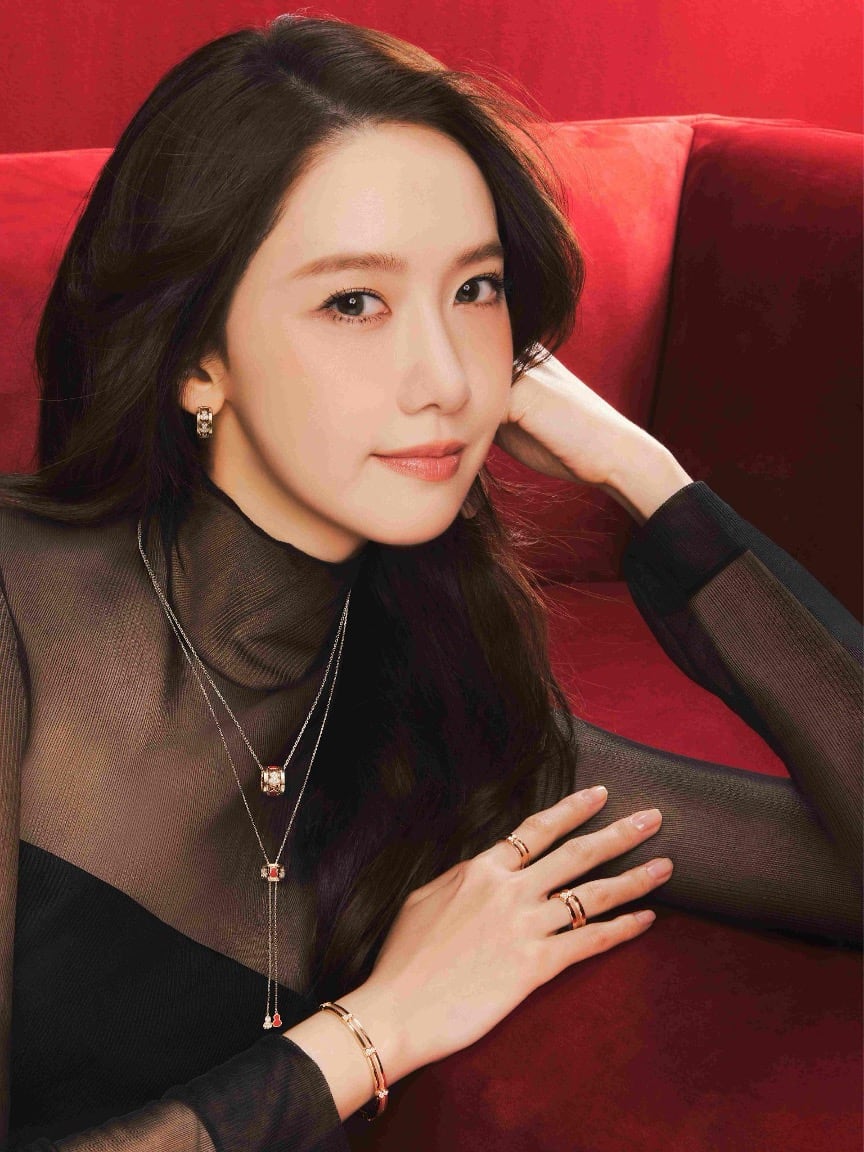
Other brands build cultural meaning directly into the product. Qeelin, a Hong Kong-founded fine-jewelry house now part of luxury group Kering, reinterprets Chinese symbols in contemporary designs. Its signature Wulu collection is based on the bottle-gourd form, traditionally associated with good fortune and positive energy. Wulu has become the brand's most recognizable symbol and a best-selling collection, showing how culturally rooted symbolism can become a durable product identity rather than seasonal decoration.
Vietnam Airlines offers a third approach: letting consumers choose the meaning. Its Lotusmiles frequent-flyer program allows members to purchase personalized membership numbers, including repeating sequences, birthday or phone-number matches, and combinations with auspicious associations. Its 2026 offerings included 68.68.68.68.68 as a "Prosperity Number." The service is no more functional because of the number, but the choice makes it more personal.
Together, these examples suggest three ways meaning can create value: consumers can add it themselves, brands can build it into a product, or businesses can give consumers a way to personalize it. The principle extends well beyond luck: what a product represents can matter alongside what it does.
Participation Does Not Mean Uncritical Belief
Consumers' ability to find value in these practices does not mean they accept them uncritically. In Korea, 50.2% of respondents in the 2026 Embrain Trend Monitor study agreed that fortune-telling services commercially exploit people's anxiety, up from 42.2% in 2025. The share describing fortune-telling as a waste of money and time also rose, from 31.2% to 36.8%.
Those attitudes can coexist with widespread usage. Consumers can enjoy a fortune app without believing every result, buy a charm without expecting it to determine the future, or value a ritual while questioning how it is commercialized. For marketers, participation should not be mistaken for literal belief — or for unlimited permission to use culturally specific symbols. Recognition alone does not make a brand's use of a symbol relevant or credible.
What Brands Can Actually Do
The opportunity, then, is not simply to sell consumers "luck." It is to understand why meaning matters in a particular category. Cultural meaning can support reassurance, aspiration, identity, personalization, aesthetics, and self-expression — but it should shape the product or experience rather than merely decorate it.
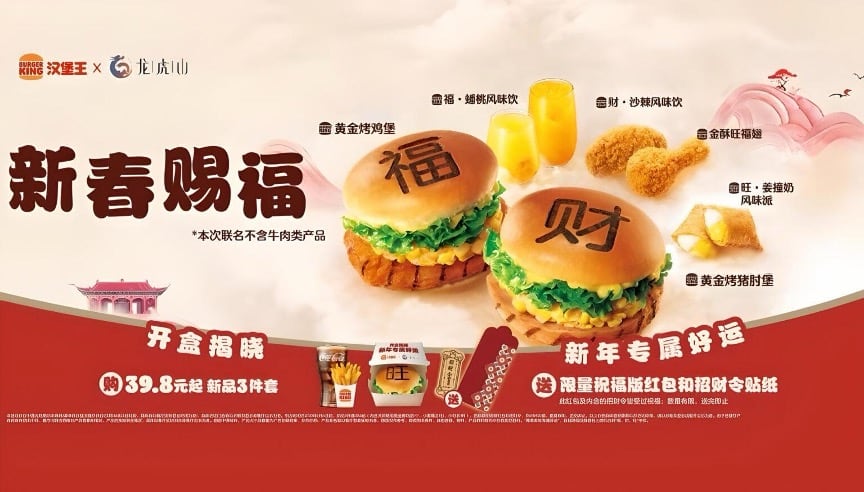
Burger King China's 2025 Lunar New Year collaboration with Mount Longhu illustrates this distinction. The campaign incorporated fortune and prosperity themes, red envelopes, charms, and a God of Wealth figurine, while the menu also reflected Taoist dietary traditions. The example shows cultural context shaping the execution; without evidence of consumer response or business results, it should not be read as proof that the campaign was successful.
A practical test is whether a brand can answer four questions: What does this practice or symbol mean in its cultural context? Why does that meaning matter to consumers in this category? What credible role does the brand have in helping consumers express, personalize, or engage with it? And is there something about the product form, behavior, or emotional benefit that could travel beyond its original cultural audience?
From Cultural Signal to U.S. Trend
That last question matters because culturally rooted products and behaviors that gain momentum in Asia do not always remain culturally bounded. Labubu provides a recent example. Created by Hong Kong-born artist Kasing Lung and commercialized globally by Chinese toy company Pop Mart, the collectible moved from an Asian craze into a mainstream U.S. fashion and pop-culture phenomenon, appearing on celebrity handbags and drawing crowds around product drops. What traveled was not a belief system, but a combination of distinctive design, collectibility, personalization, social visibility, and the pleasure of owning something small and expressive.
Some new expressions of luck could travel in a similar way. Lucky charms, symbolic jewelry, crystals, personalized numbers, and fortune content intersect with broader interests in self-expression, collecting, gifting, wellness, personalization, and emotional reassurance. Their cultural origins may drive the initial appeal, while the product format or emotional benefit gives them relevance beyond the original audience.
For U.S. marketers, that creates two opportunities: understanding culturally rooted consumer needs and spotting early signals of broader consumer change. But the two should not be confused. Meanings observed in Korea, China, or Vietnam should not simply be transferred to Asian American consumers, and Asian American consumers should not be treated as proxies for consumers in Asia. Meanings can shift across generations, communities, categories, and levels of cultural engagement.
The research question should therefore come before the creative one. Marketers should test whether the original symbolism is recognized in the United States, how different consumers interpret it, and whether the appeal comes from the cultural meaning itself or from a more portable benefit such as collectibility, gifting, aesthetics, personalization, or reassurance.
The broader lesson is to watch both meaning and form. Instead of asking only which cultural symbols a brand can use, ask what consumers are trying to navigate, what meaning they are already creating around it, and whether the brand has a credible role in that process. Then ask whether the emerging product, ritual, aesthetic, or emotional benefit could matter beyond its original cultural audience. Asian markets can be valuable not only for understanding culture, but also for identifying signals of what may become mainstream next.
References
- Shin, Janet. "How to Set Saju: 60-Year Cycle." The Korea Times, 8 Jan. 2009. link
- Embrain Trend Monitor. "2026 점, 사주, 타로 등 점술 관련 인식 조사" [2026 Survey on Perceptions of Fortune-Telling, Saju, Tarot, and Related Practices]. Trend Monitor, 2026. link
- Kim, Tae-ho. "'My Fortune as a Webtoon?' AI Reinvents Korea's Fortune-Telling Apps." Seoul Economic Daily, 12 Aug. 2026. link
- "Gen Z Flock to Korea's First 'Fate Expo.'" The Korea Times, 1 June 2026. link
- "행운도 관리하는 시대… 국내 첫 운세 박람회, 4일간 1만3000명 방문" [An Era of Managing Luck: Korea's First Fortune Expo Draws 13,000 Visitors over Four Days]. Newswire Korea, 9 June 2026. link
- Kim, Young-ho. "손톱만한 거북이가 '행운의 상징' 됐다… Z세대 챙기는 부적의 정체" [Fingernail-Sized Turtles Become Symbols of Luck: The Talismans Gen Z Is Carrying]. Dong-A Ilbo, 1 Aug. 2026, updated 3 Aug. 2026. link
- Zhang, Jing. "Forget Logos, Young People in China Want 'Spiritual' Luxury." CNN Style, 7 July 2026. link
- "China's Youth Embrace the Mystical Power of Crystals." ThinkChina, 2025. link
- Qeelin. "Philosophy and Spirit." Qeelin. link
- Kering. "Qeelin: Chinese Heritage, Modern Design, and a Bit of Whimsy." Kering. link
- Vietnam Airlines. "9.9 Flash Sale | 50% Off All Lotusmiles Lucky Numbers." Vietnam Airlines, 2026. link
- Wang, Yimin. "Burger King Collaborates with Taoist Site Mount Longhu for CNY." Dao Insights, 8 Jan. 2025. link
- O'Neill, Shane. "Why a Sweet, Slightly Sinister Elf Named Labubu Is Inescapable Right Now." The Washington Post, 29 May 2025. link