I recently traveled through Taiwan, Japan, and China with my 77-year-old aunt and 13-year-old daughter. Traveling across generations gave me an interesting lens through which to observe how technology, culture, nostalgia, and consumer behavior are evolving in the region.
Here are five things that stood out to me.
1. Chinese EVs are redefining automotive luxury
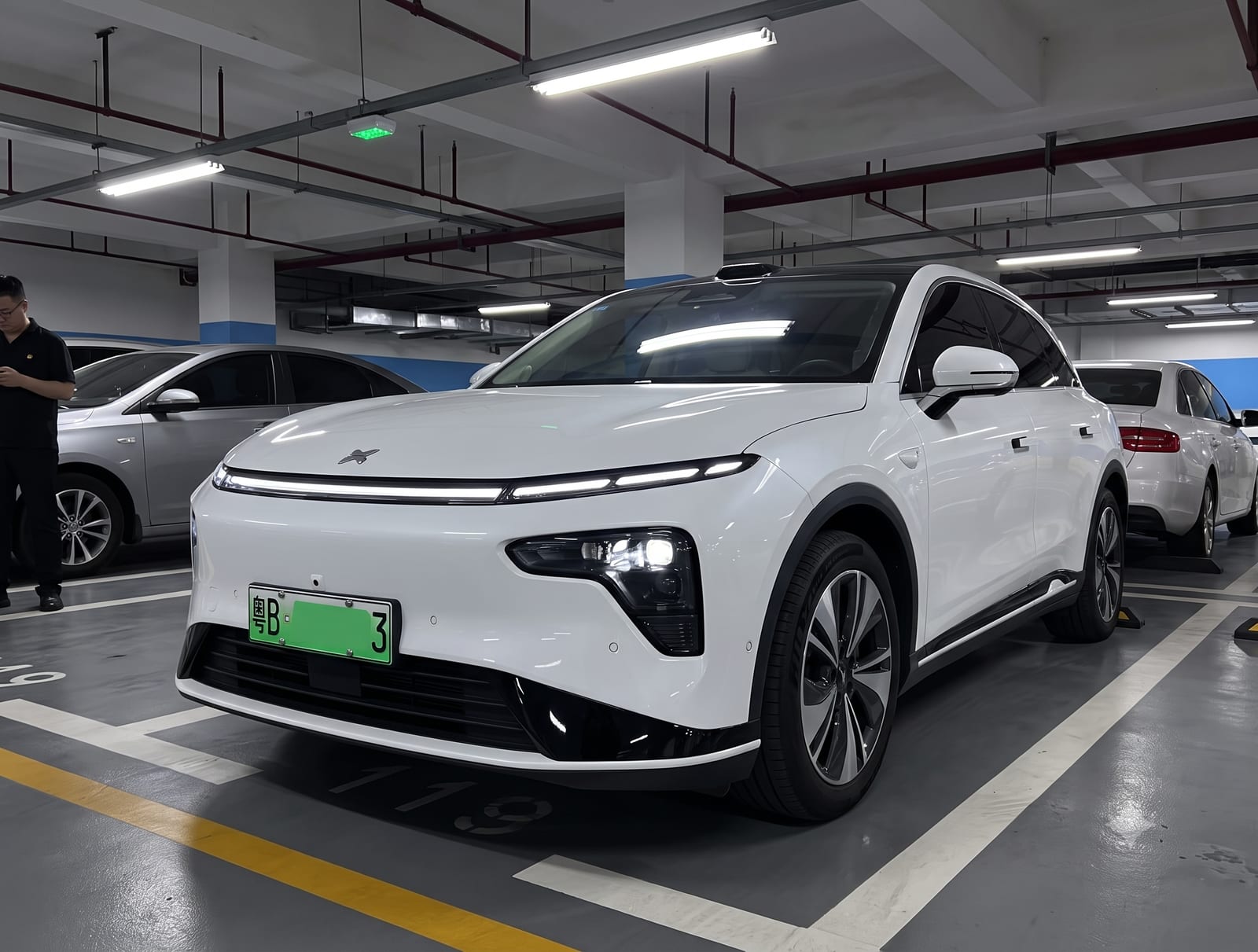
While visiting Shenzhen, I rode in my cousin’s new Li Auto luxury electric vehicle. I had not previously been familiar with the brand, but the experience immediately changed my perception of Chinese EVs.
The front-seat passenger had a dedicated entertainment screen, separate from the driver’s display. The seats included massage functions, a large screen dropped down for rear-seat entertainment, and many features could be controlled by voice.
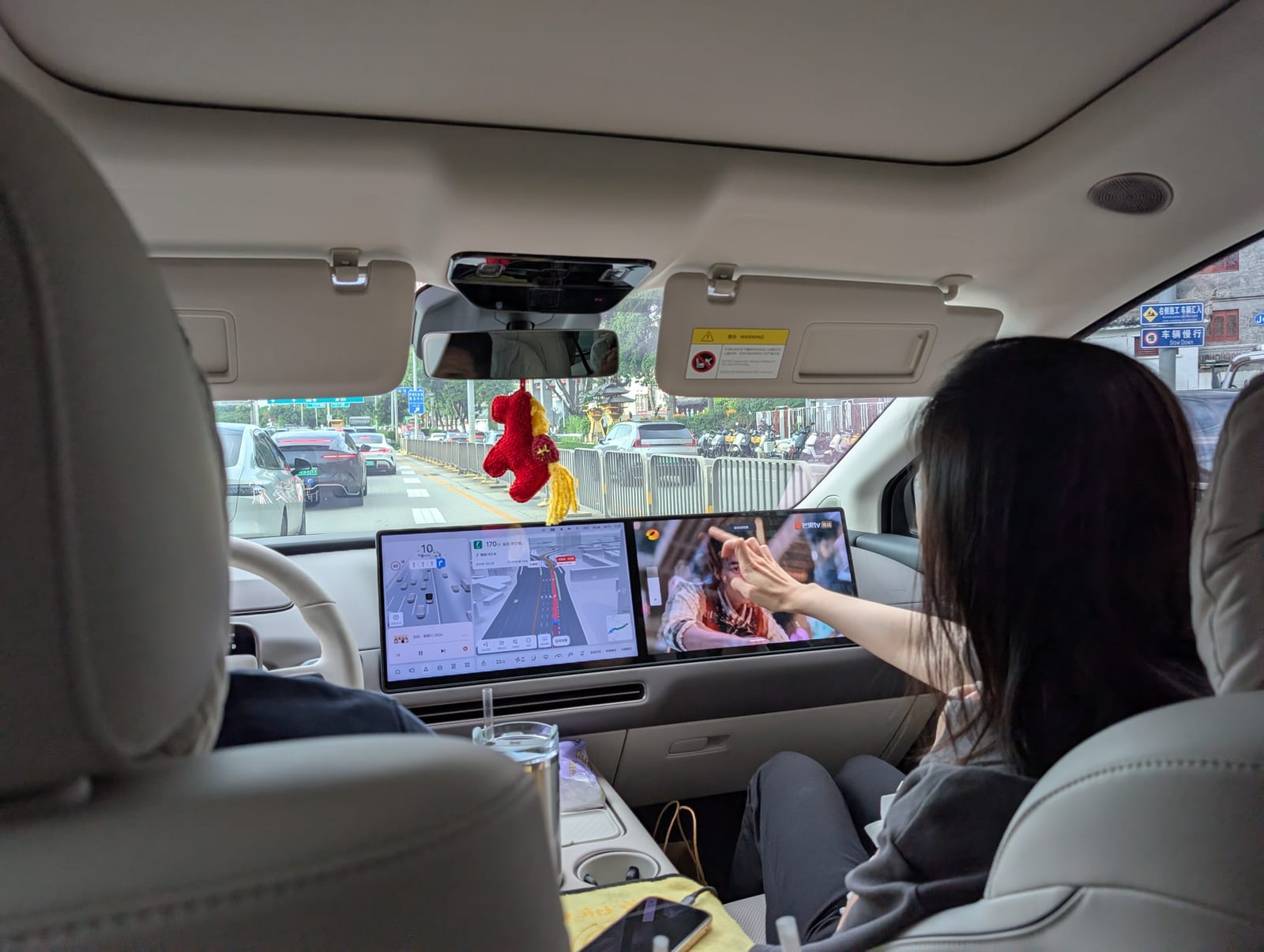
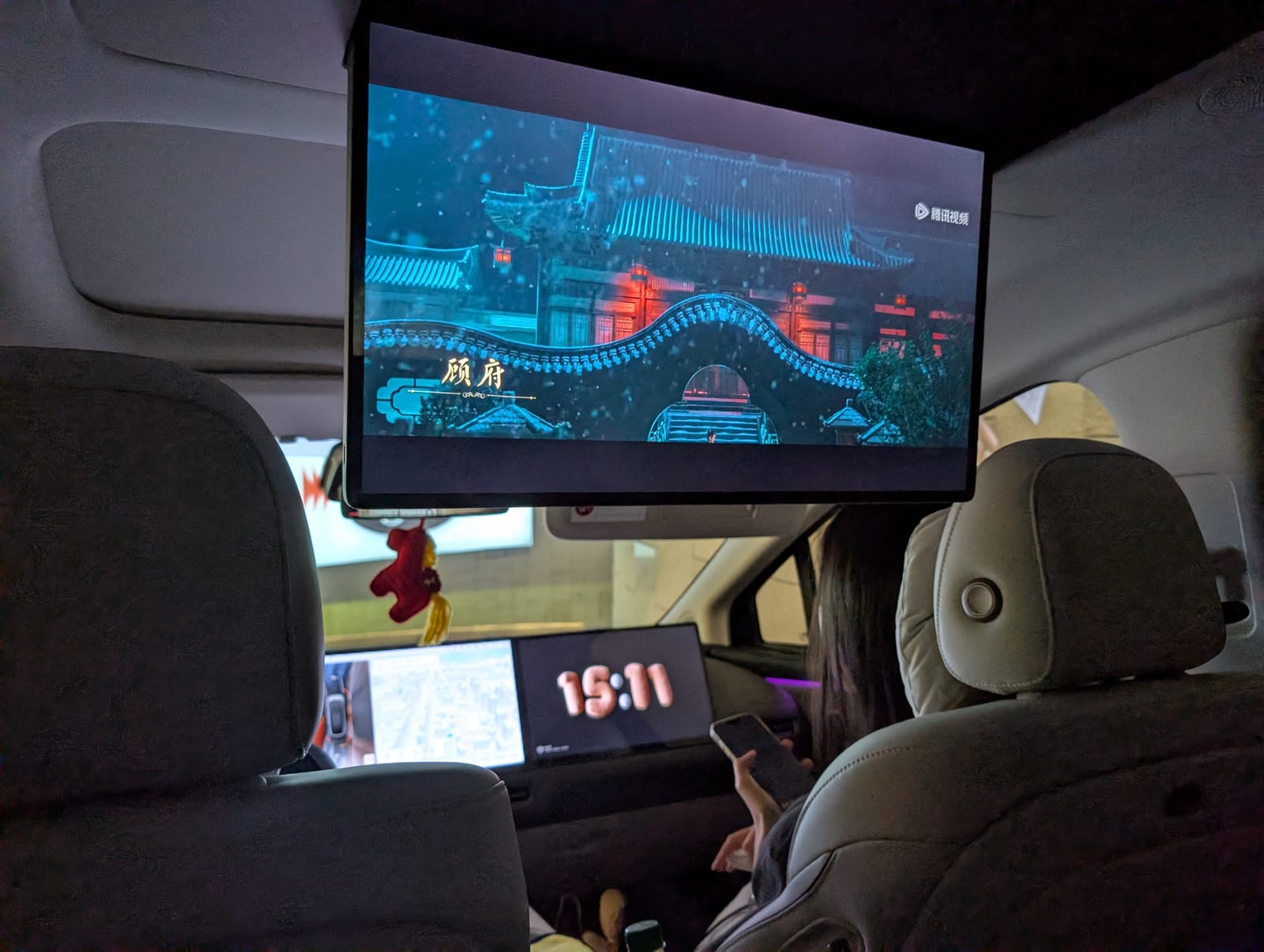

The vehicle seemed designed not only around driving performance, but around the comfort and entertainment of every passenger. It felt less like a traditional car and more like a mobile living room.
My cousin told me the vehicle cost approximately US$50,000. At that price point, the level of technology and passenger-focused luxury was striking.
Chinese EV manufacturers are not simply competing with established automotive brands on price. They are reconsidering what consumers expect from a premium vehicle. That helps explain why traditional German luxury automakers are facing increasing pressure in the Chinese market.
2. Nostalgia for the 1980s remains powerful
I grew up in China during the 1980s—a period that holds complicated but vivid memories for my generation.
China had recently begun opening to the outside world, and the Cultural Revolution had ended. Although living standards were still far behind those in the West, there was a strong sense of energy, possibility, and social change.
That optimism was profoundly disrupted by the events of 1989. Nevertheless, the economic transformation that began during the reform era continued and helped lay the foundation for China’s later prosperity.
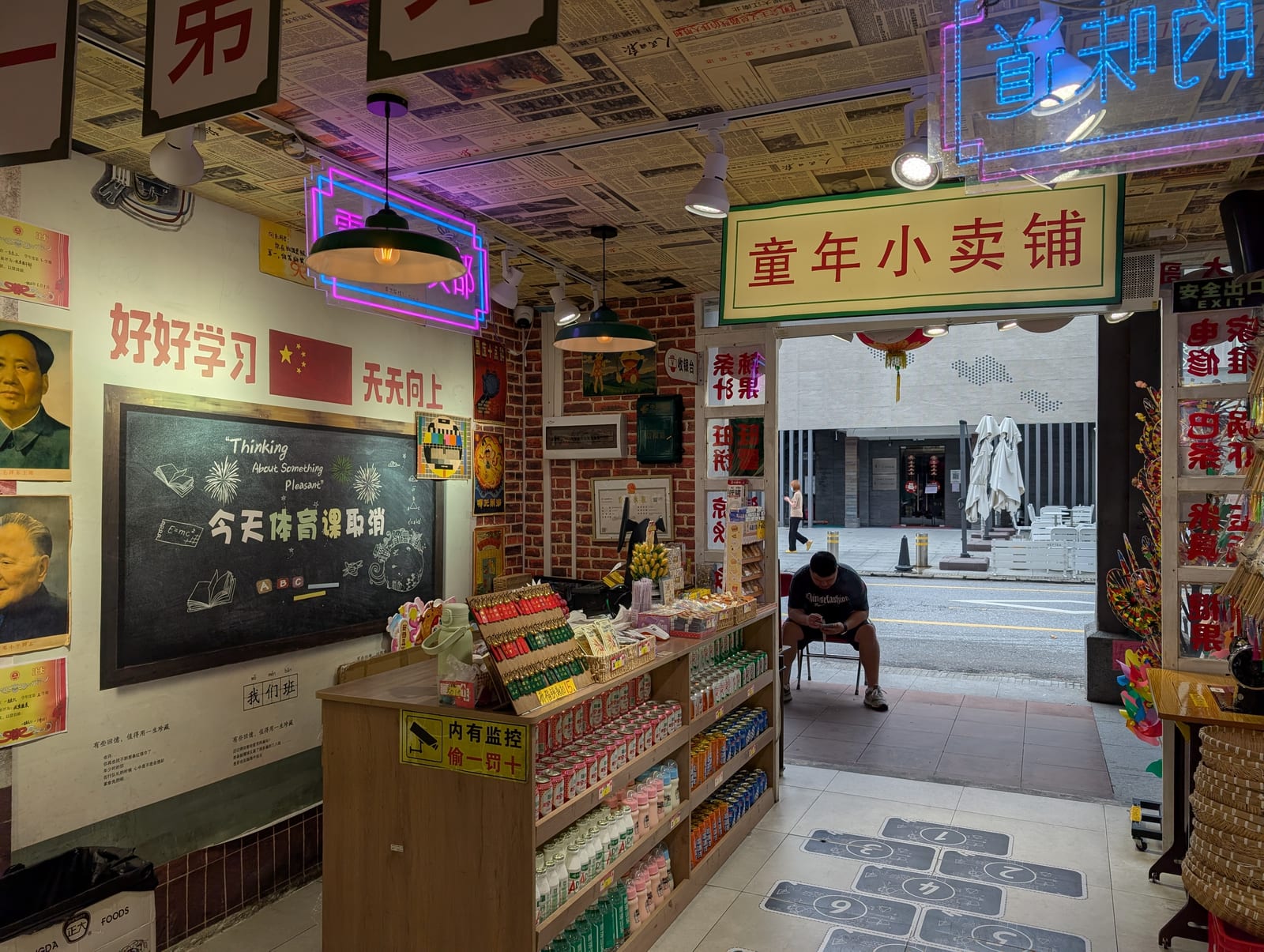
During a brief visit to my hometown of Zhaoqing in Guangdong, I came across a store devoted to childhood nostalgia. It featured familiar products and brands from the 1980s, along with photographs of Hong Kong celebrities who were popular at the time.
Younger generations may have little direct connection to that period, but nostalgia continues to have emotional and commercial power. It is a reminder that consumers do not only buy products. They also buy memories, identity, and a connection to an earlier version of themselves.
3. Chinese popular culture is becoming more visible internationally
K-pop and Korean dramas continue to have enormous global influence, but Chinese popular culture is also gaining traction.
Chinese historical and contemporary dramas are increasingly finding international audiences through streaming platforms. Their appeal extends beyond elaborate costumes or romantic storylines; many also introduce overseas viewers to local customs, regional settings, food, history, and social relationships.
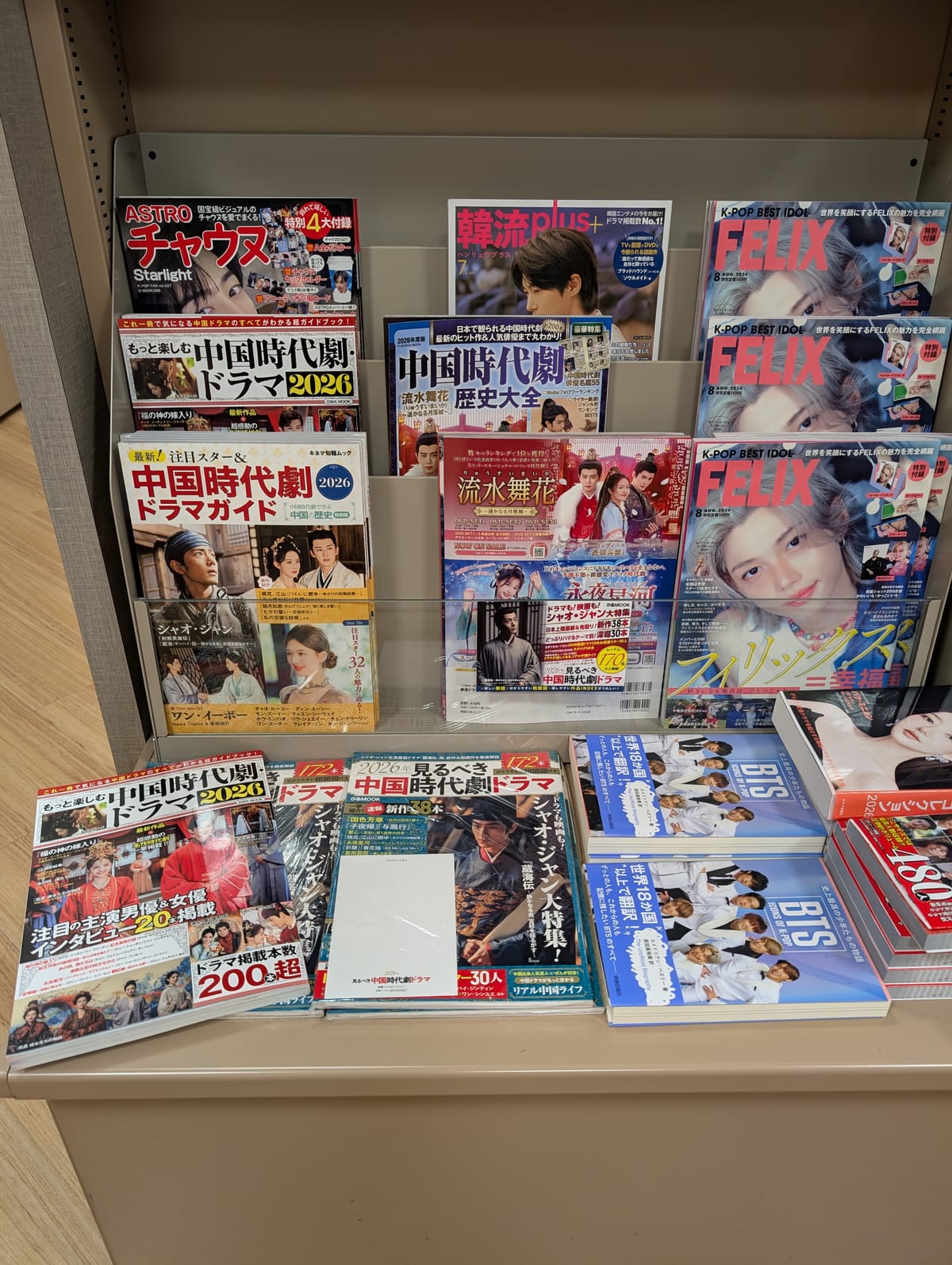
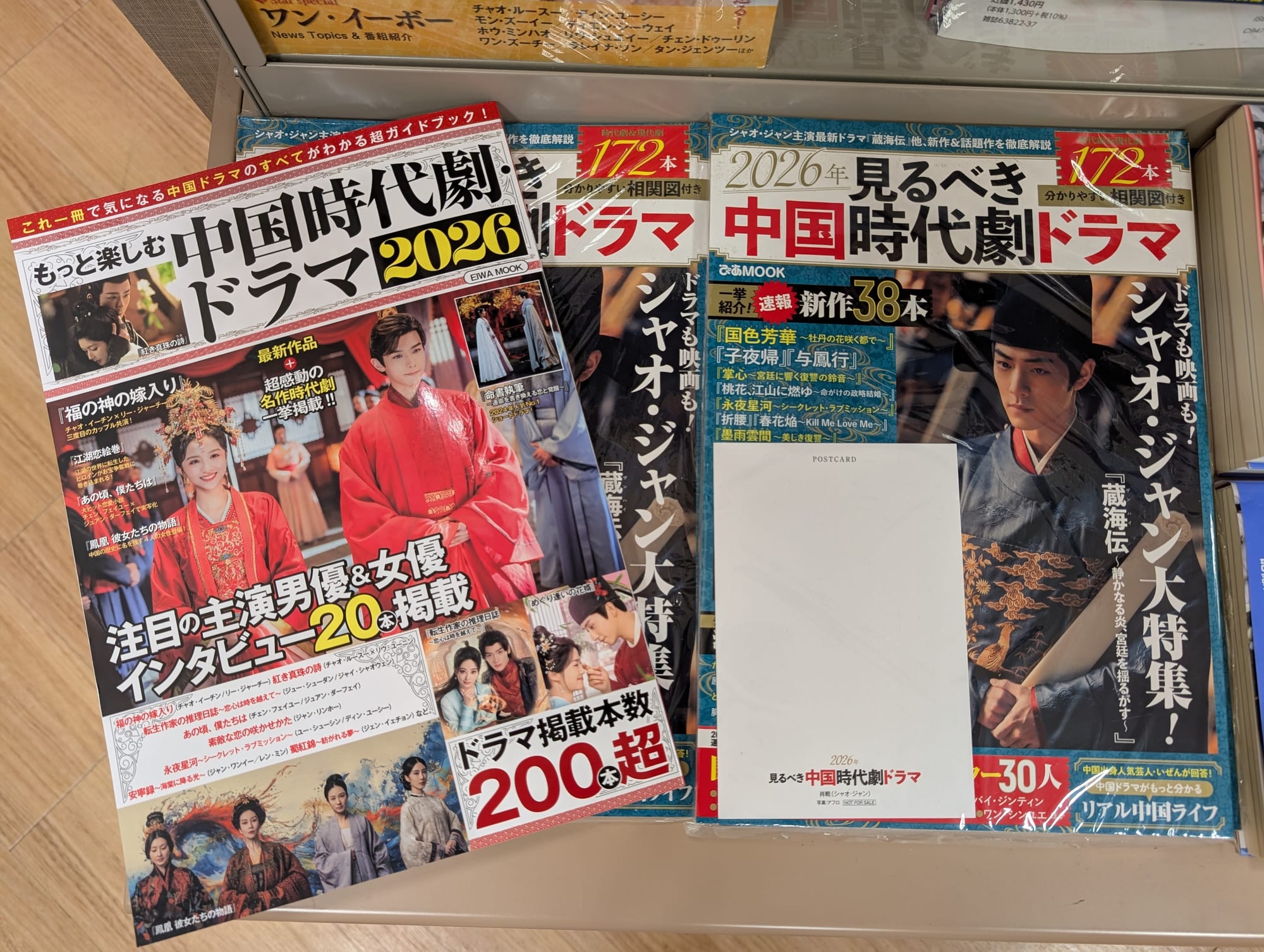
While visiting Japan, I noticed magazines in a bookstore devoted not only to Korean entertainment, or Hanryu, but also to Chinese dramas and celebrities, sometimes described as Hualiu. These publications included plot summaries, show recommendations, and interviews with leading actors.
I was pleasantly surprised that, even in the age of social media, there was still enough interest to support print magazines dedicated to these entertainment cultures.
Chinese popular culture may not yet have achieved the global reach of K-pop, but the infrastructure for broader cultural influence is clearly developing.
4. Chinese beauty brands may be approaching a breakthrough
I also noticed significant improvements in Chinese skincare and cosmetics.
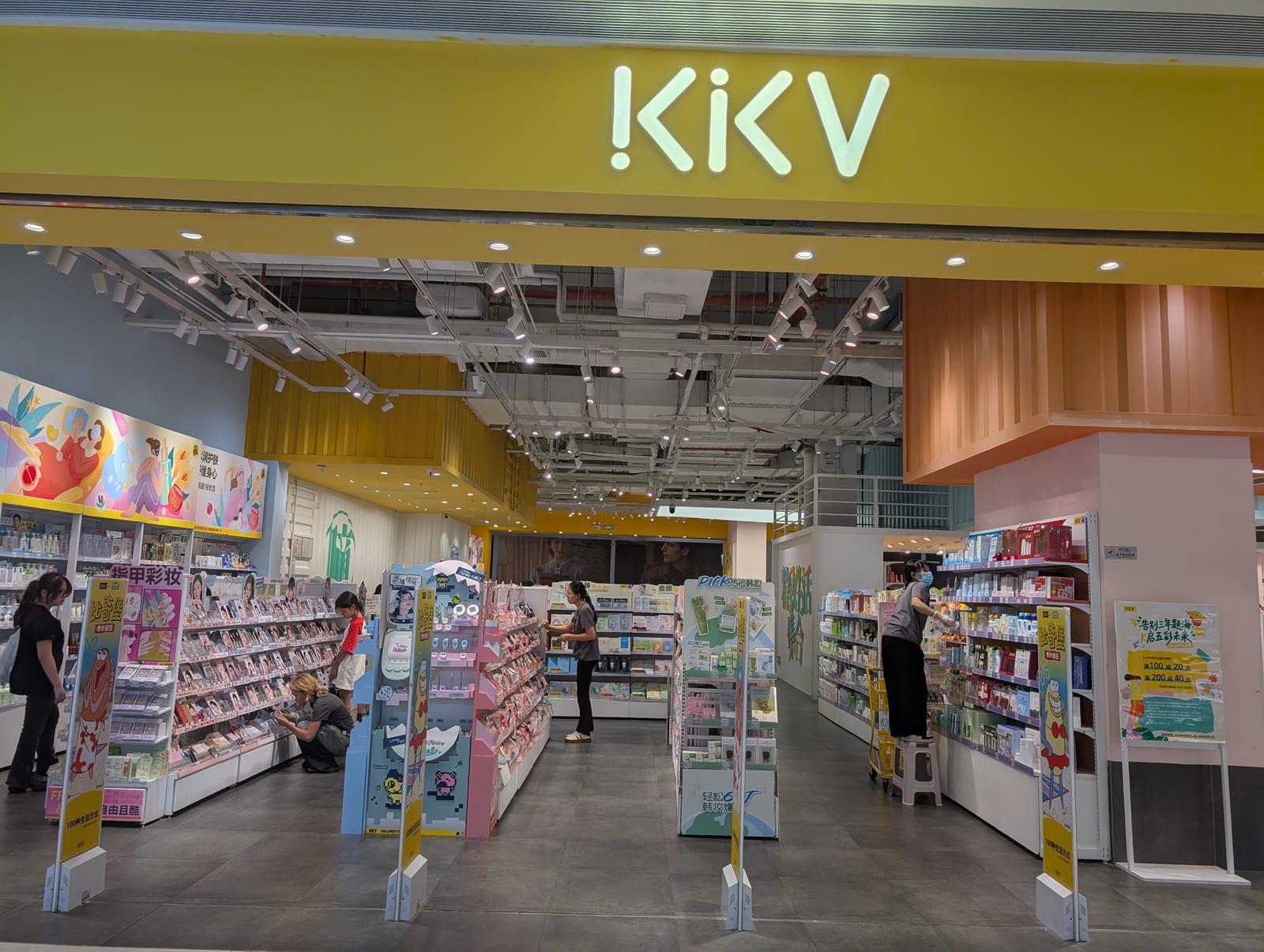
While browsing KKV, a lifestyle and beauty retailer in Zhaoqing, I found a wide selection of products designed for different skin types and needs. Because I have sensitive, dry skin, I am usually cautious about trying unfamiliar products. However, I purchased a moisturizing cactus cream from the Chinese brand Guyu and was impressed by how effectively it hydrated my skin.
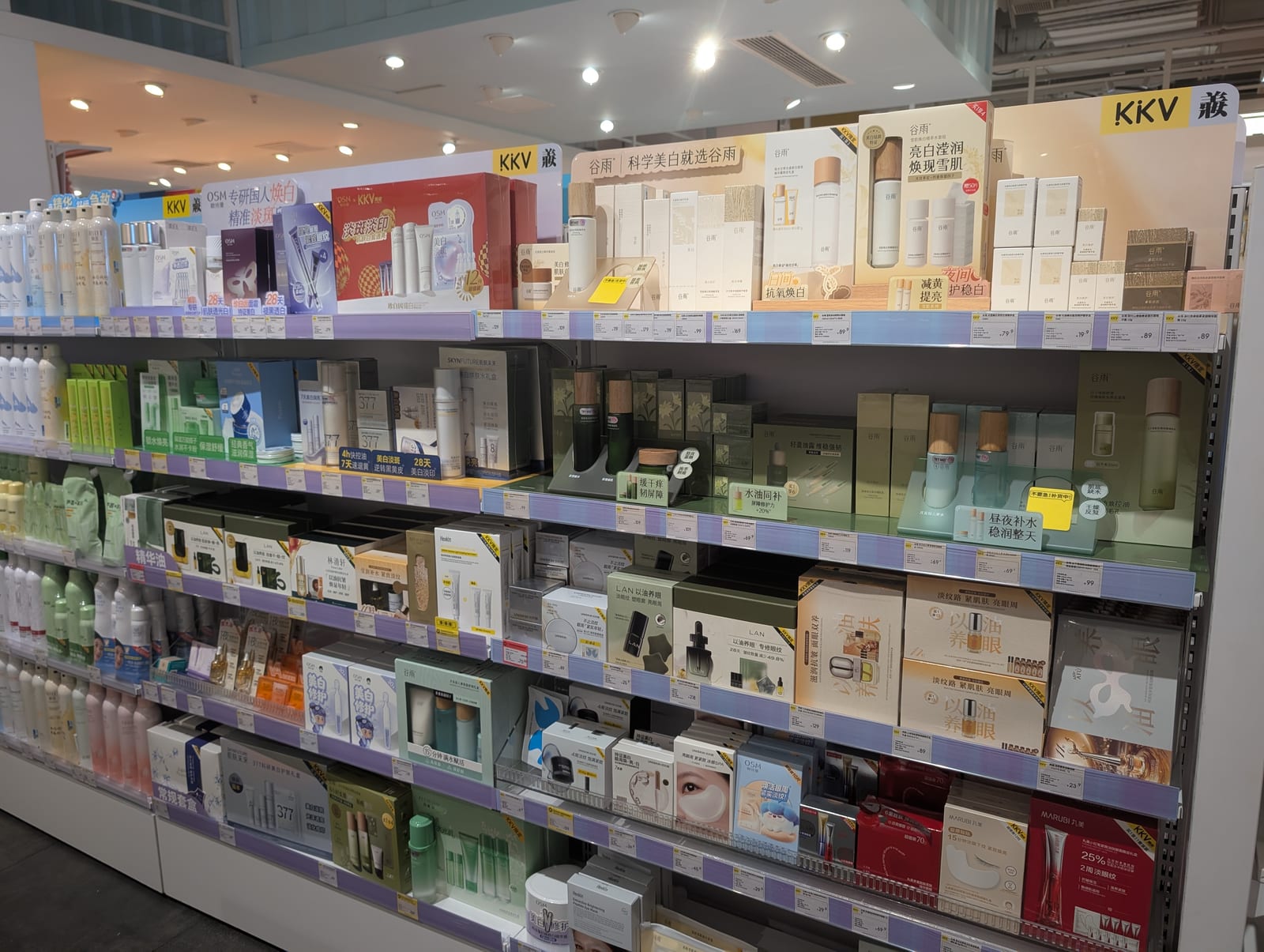
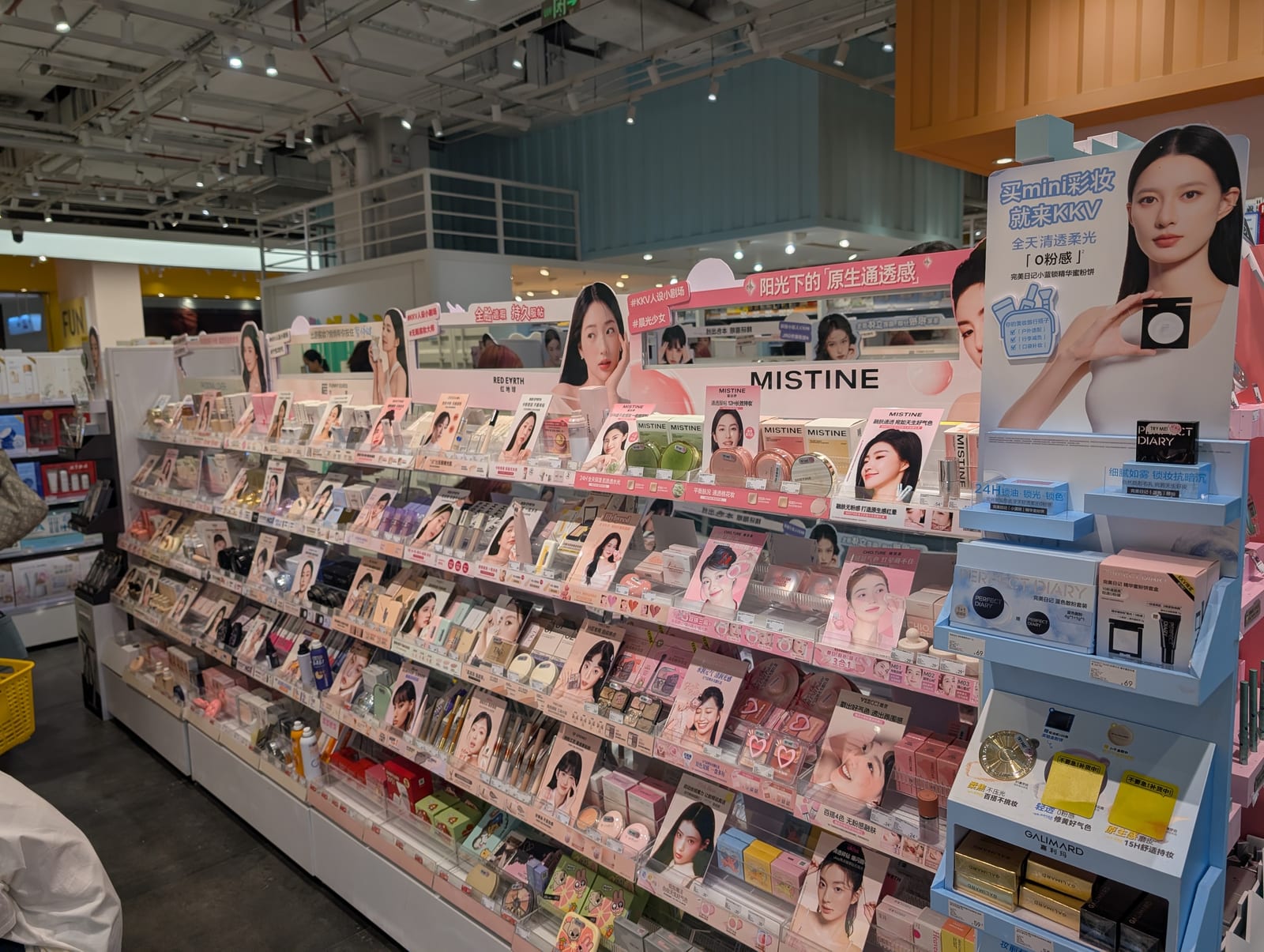
My cousin, who is very particular about quality and brands, told me that she previously traveled to Hong Kong to purchase imported skincare. Today, she can find nearly everything she needs from domestic brands.
Chinese beauty companies increasingly appear capable of competing on product quality, formulation, variety, and price. Their main challenge may be communicating their value to consumers outside China. Some brands still lack internationally accessible packaging, storytelling, and brand positioning.
K-beauty also began as a relatively niche category in the United States before entering mainstream retailers. Chinese beauty brands could follow a similar path—particularly as consumers become more open to discovering effective products through social media and cross-border e-commerce.
5. Pop Mart has turned collecting into an intergenerational experience
Because I was traveling with my 13-year-old daughter, we visited several Pop Mart stores, including locations in Taipei and Shenzhen.
I had heard about the brand and its collectible figurines, but I did not fully understand the appeal until the final evening of our trip.
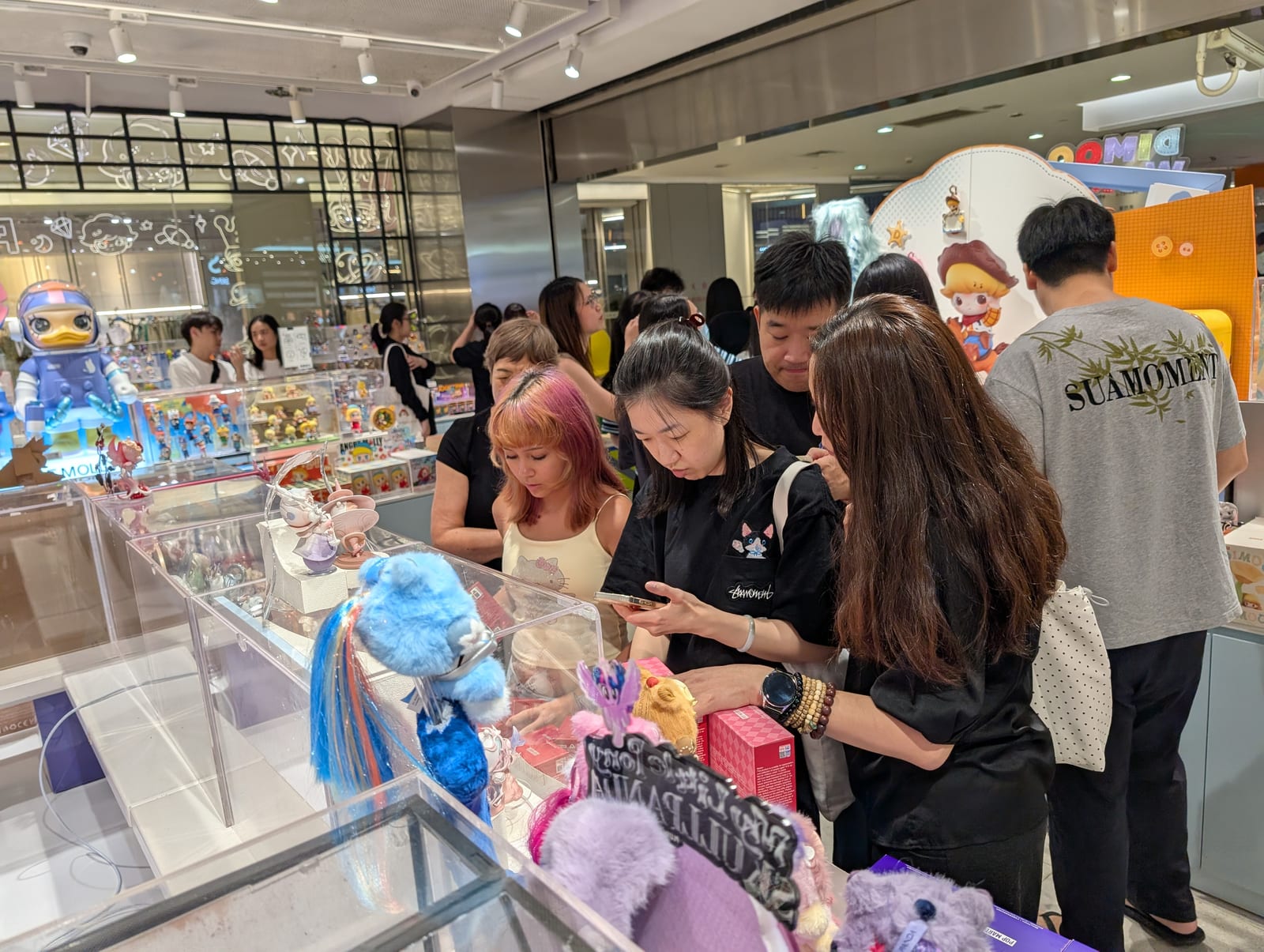
After dinner, my cousins, my aunt, my daughter, and I all visited a Pop Mart store together. Everyone became involved in choosing blind boxes from their favorite character series.
Part of the fun was trying to guess what was inside. People touched, shook, weighed, and carefully examined the boxes. Some consulted online tips intended to improve their chances of finding a desired figure. When customers opened a box and discovered the character they wanted, they celebrated.
Watching my 13-year-old daughter, my 77-year-old aunt, and several other relatives participate together helped me understand Pop Mart’s success.
The company is not merely selling figurines. It is selling anticipation, surprise, play, self-expression, and social connection. Its products can engage consumers across ages and cultures because the experience is easy to understand and emotionally rewarding.
A broader takeaway
Across these five observations, one theme kept emerging: Chinese companies and cultural products are becoming increasingly sophisticated at combining technology, design, affordability, emotion, and entertainment.
Some Chinese brands still have work to do in international branding, distribution, and cultural translation. But the underlying products—and the consumer experiences built around them—should not be underestimated.
For global brands, the lesson is not simply to pay closer attention to China as a market. It is also to pay attention to China as a source of product innovation, cultural influence, and new models of consumer engagement.