On September 16, I joined a tour of the Museum of Chinese in America in New York, just before the 3AF Fall Summit. Two days after the summit, I was back in North Carolina at Asia Fest in Cary. At first, these felt like three very different experiences: a museum tour, a gathering of marketers and cultural leaders, and a lively community festival. In the days since, I have kept returning to the thread that connected them.
At MOCA, the museum’s president, Michael Lee, led us through the history of Chinese people in America with knowledge and passion. What stayed with me first were the ordinary objects. Cabinets from a century-old Chinatown general store, donated by someone whose family had kept them, made the history of immigration tangible. The museum has gathered the things that longtime Chinatown residents and business owners saved, including objects that could easily have disappeared when a family moved or a shop closed. Their stories belong in a museum because they belong in American history.
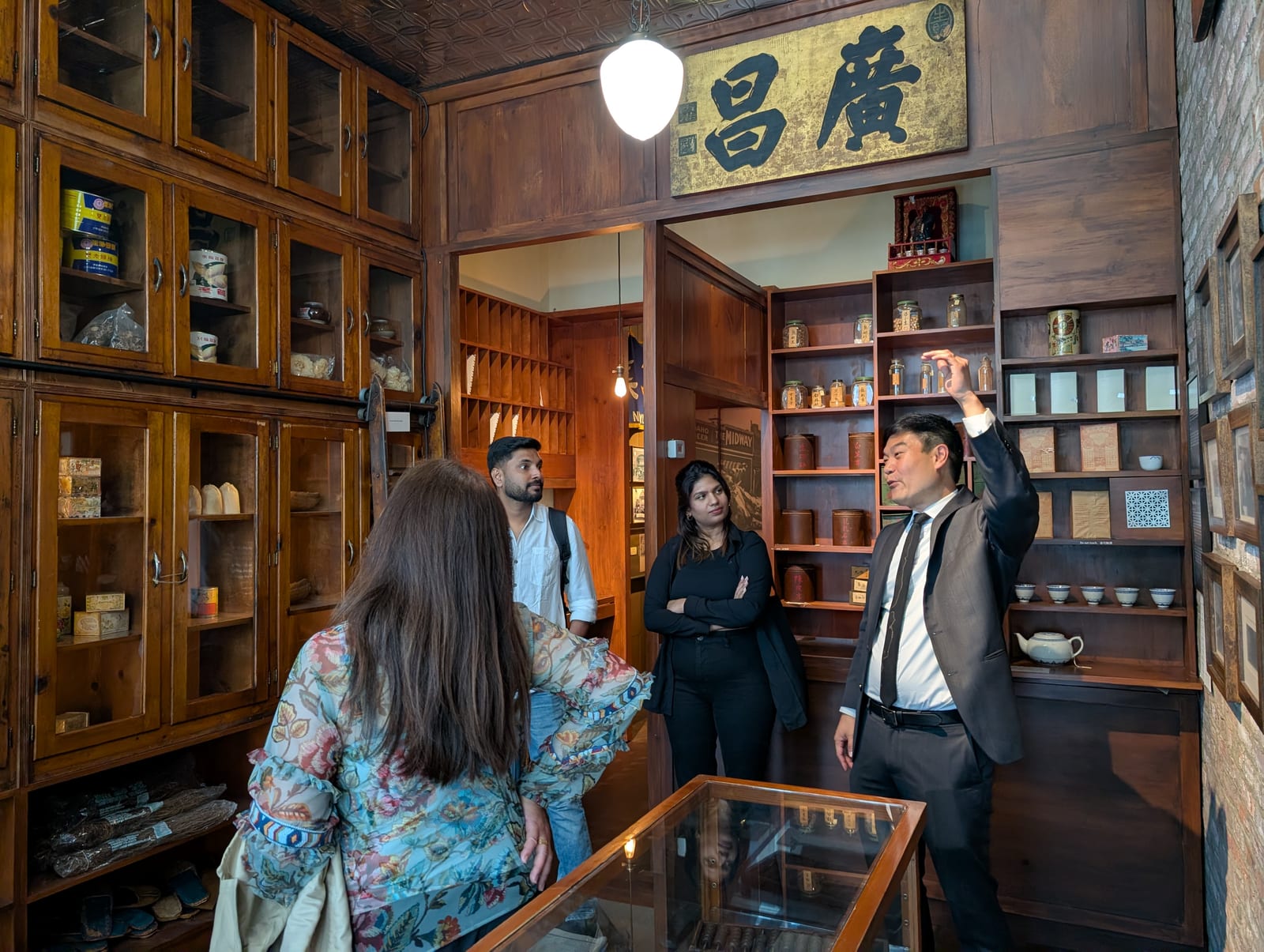
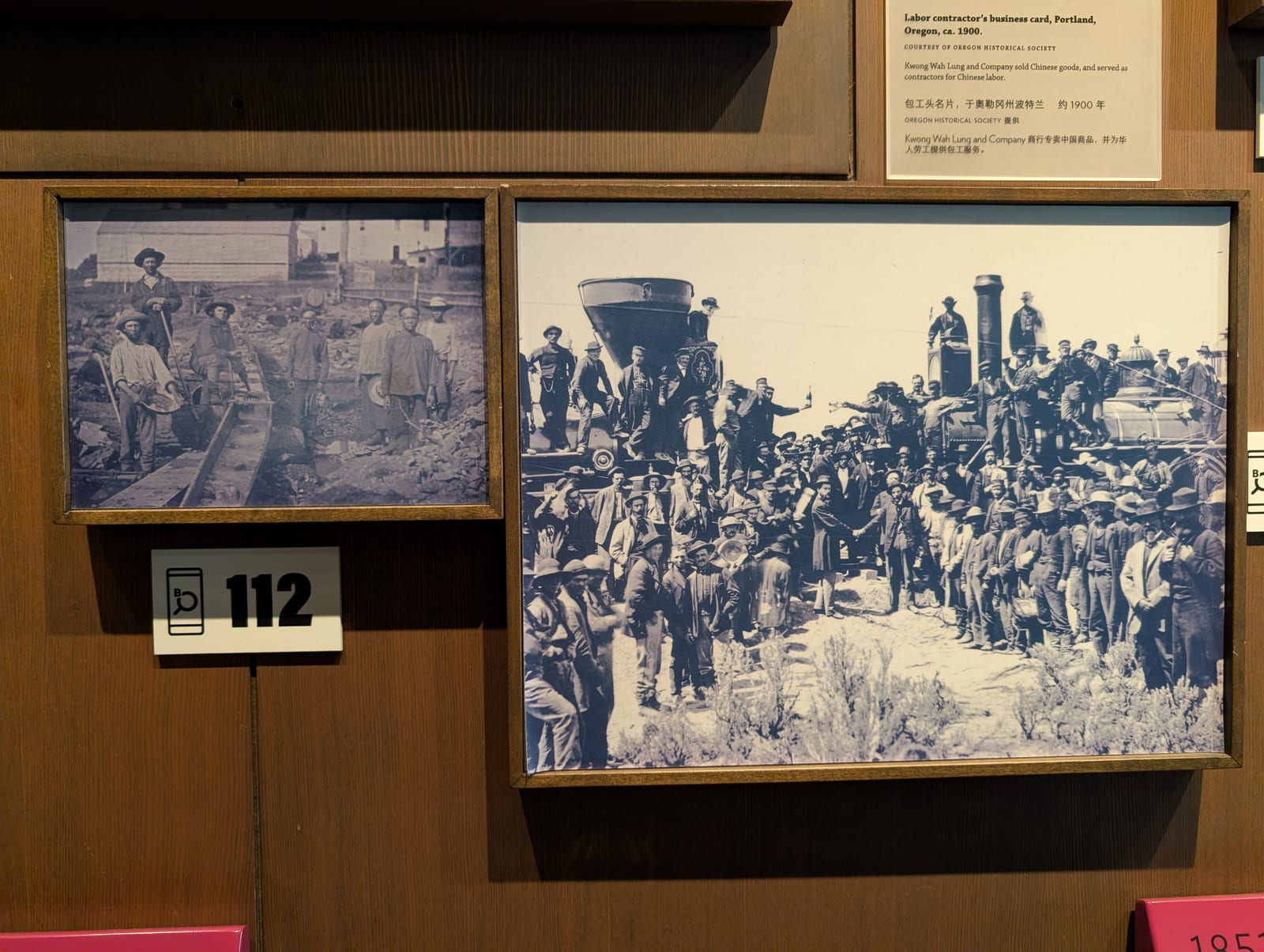
Michael traced the routes that brought people from southern China to North America, first through trade and later through the search for gold and work. Chinese laborers helped build the transcontinental railroad, yet their faces were absent from the famous photograph celebrating its completion. In periods of economic anxiety, they were made scapegoats. Exclusion laws then kept families apart and denied many people a chance to build a life here on equal terms. The tour also brought us through Chinese American contributions during World War II and the decades that followed, up to the hostility Asian Americans faced during COVID.
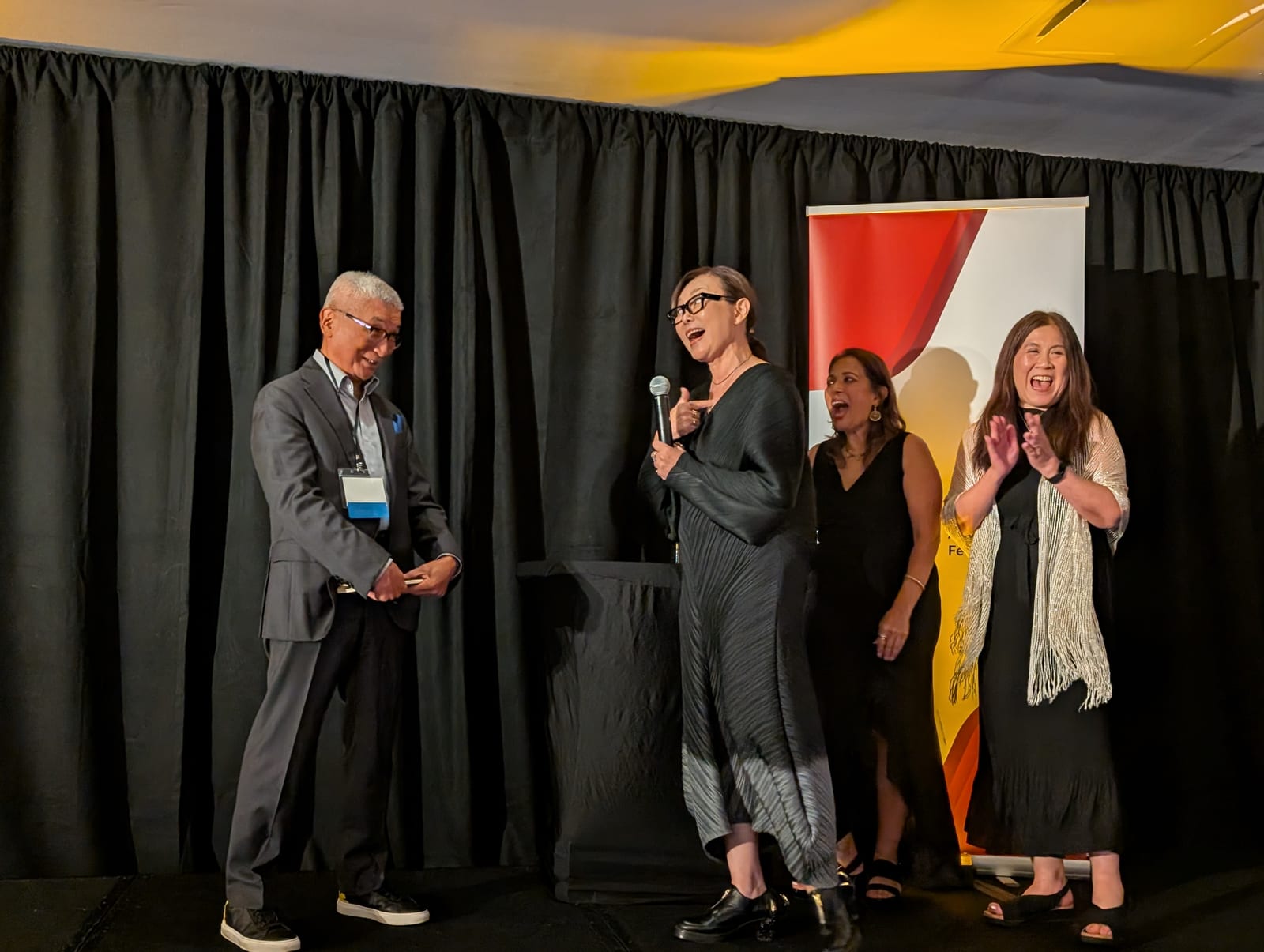
At the 3AF Fall Summit on September 17 and 18 at Marriott Marquis, I heard that question of belonging expressed in a more personal way. Polly Fong of The Asian American Foundation described growing up embarrassed by her parents’ Chinese buffet and their accents. She spoke about the distance she had put between herself and parts of her upbringing, and about reclaiming a fuller sense of who she is. TAAF’s Asian + American campaign gives that experience a simple, powerful image: a plus sign with room for both parts of an identity.
The summit also explored how Asian culture is shaping entertainment, beauty, food, and other parts of mainstream life. There was palpable pride in that influence. But Polly’s story stayed with me because cultural visibility means something different when we remember the generations who felt pressure to hide their food, language, or family background. A trend can bring attention; the deeper change is being able to share what matters to you without embarrassment.
Asian advertising trailblazers Julia Huang and Bill Imada brought another perspective to that change. Julia recalled the many times they competed for the same client pitches, joking that they were “frenemies.” Yet she described their bond as gémìng qínggǎn, a closeness forged through shared struggle. Even as competitors, they faced the same challenge of convincing brands to devote advertising dollars to Asian American audiences. Bill reminded us that the industry still has work to do and urged us to speak with more conviction about the community’s contributions and economic influence. Beneath their playful rivalry, I heard a shared determination to make Asian Americans visible and valued.
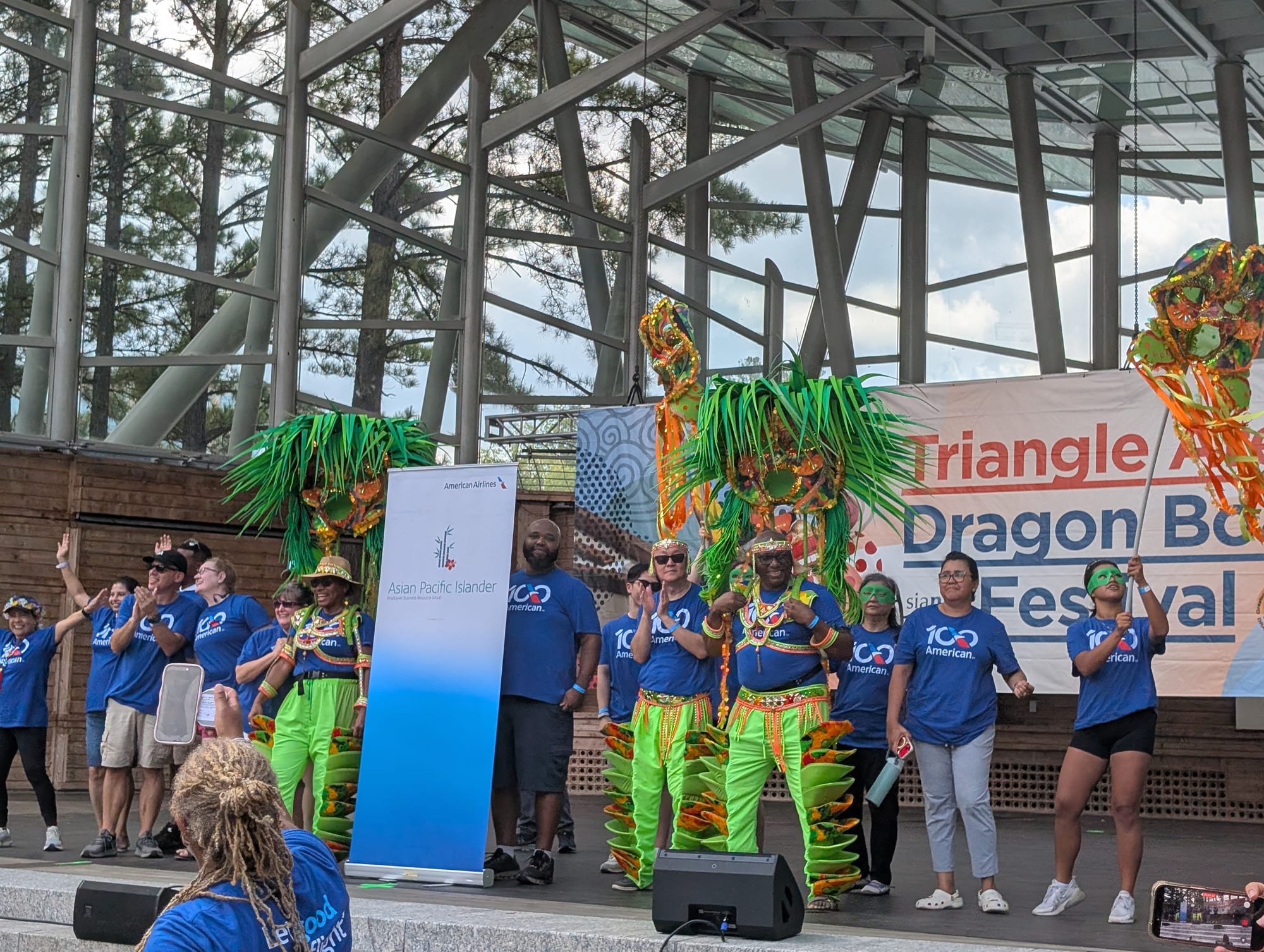
Then I returned to North Carolina to help out at Asia Fest on September 19 as I’m on the board of the organizer of the event Asian Focus. Across the festival, I saw Asian cultures shared openly: performances spanning different traditions, vendors and community organizations, and dragon boat teams from companies, civic groups, first responders, and the wider community. Asian and non-Asian neighbors watched, cheered, ate, and learned together. The festival felt like an invitation to take part.
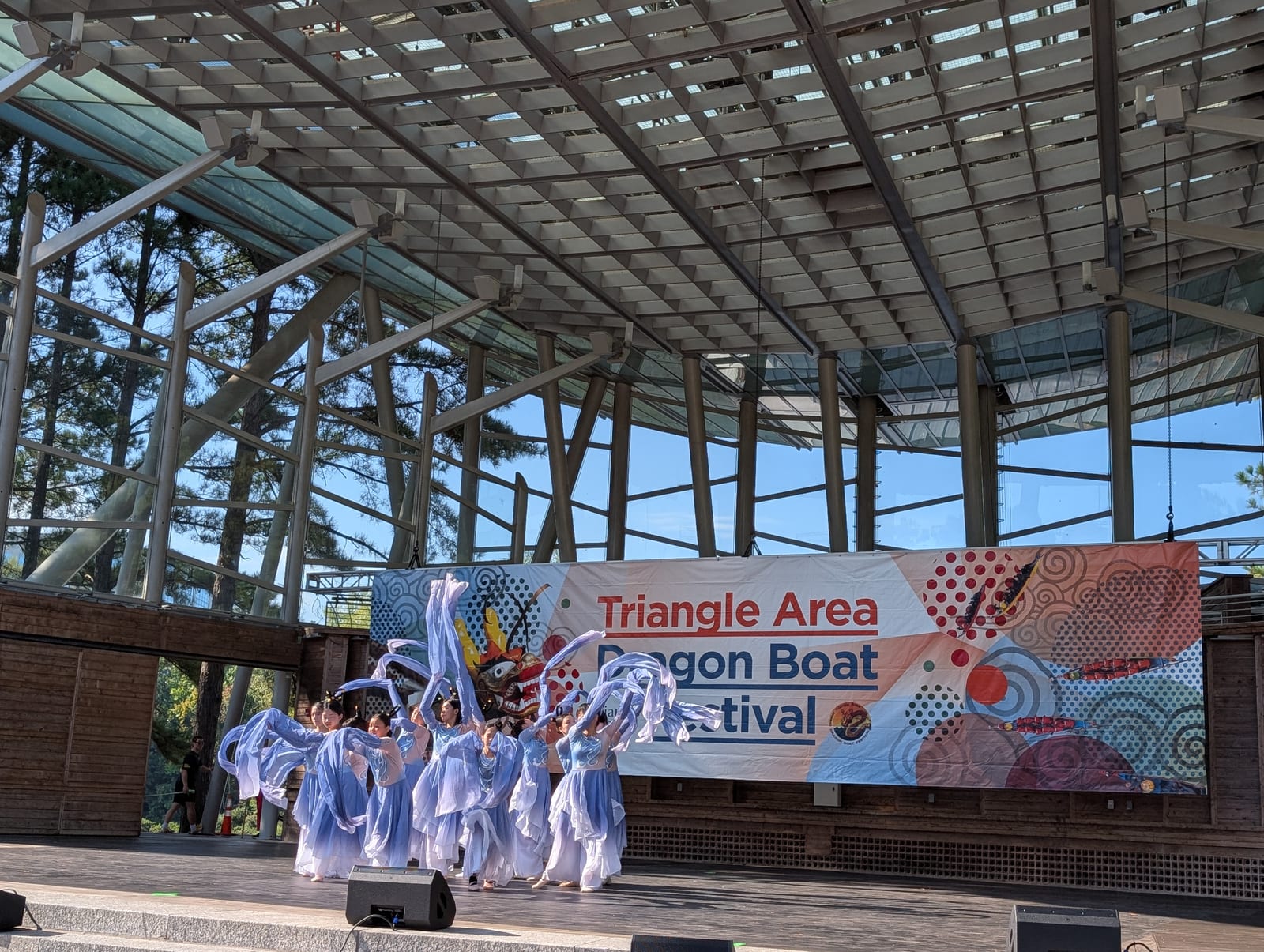
That vibrancy feels especially meaningful in North Carolina. The South recorded the fastest regional growth in its Asian population from 2000 to 2010, and North Carolina’s Asian population has continued to grow. We often associate large Asian American communities with longstanding hubs such as San Francisco, New York, and Los Angeles. Seeing so many cultures, generations, and neighbors come together in Cary shows how much Asian American community life has grown beyond those familiar centers.
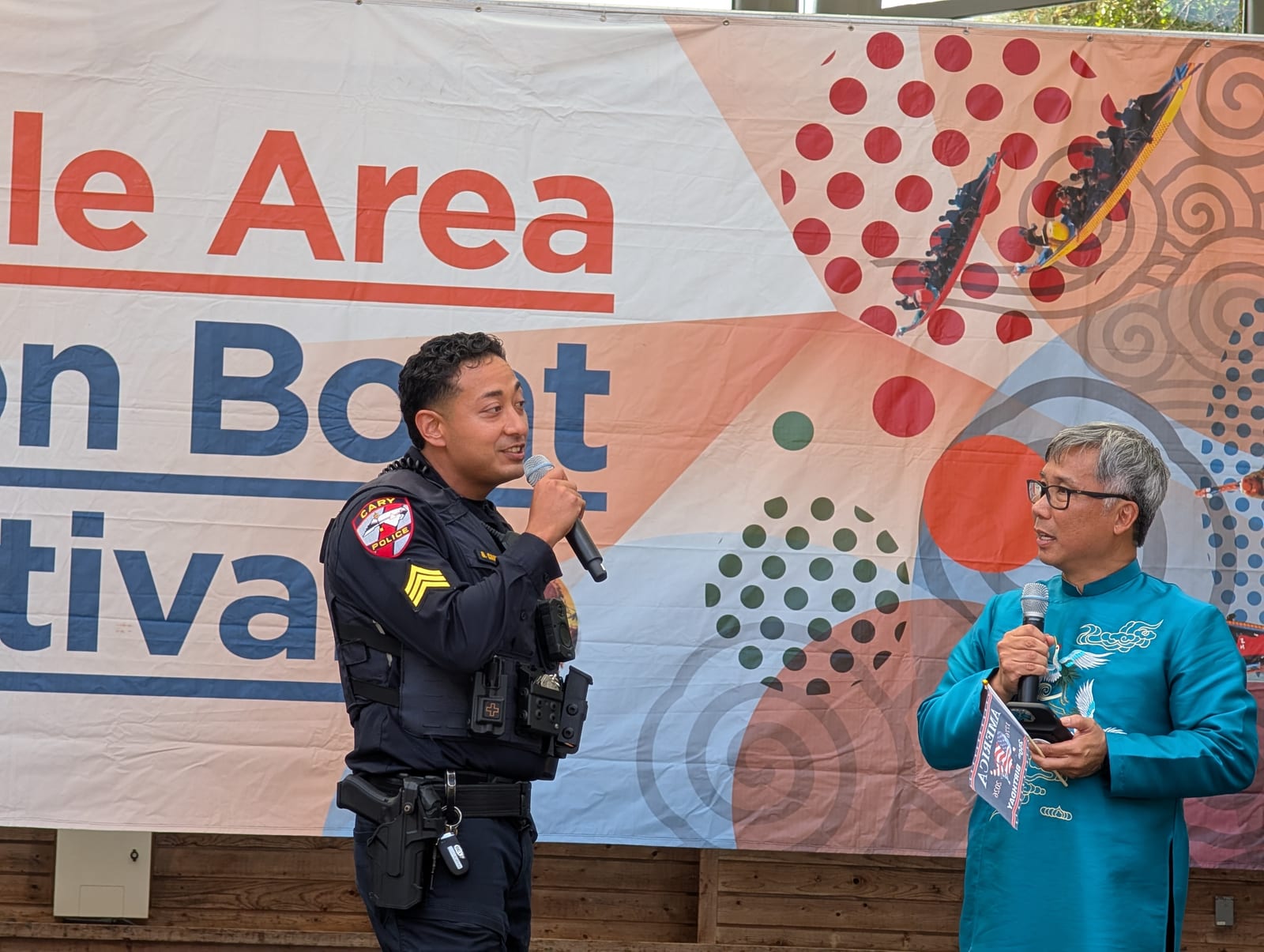
Sergeant Gilbert Candelaria of Cary spoke about his experience in the military and his pride in being half Korean and half Puerto Rican. He recalled someone writing to him after a class to say that his example made a senior leadership role in the U.S. Air Force feel possible. To the Asian Americans in the audience, his message was direct: “You don’t have to be any less Asian to be American.” He reminded us that Asians have long been part of the country’s military and public service, helping build the life we share today.
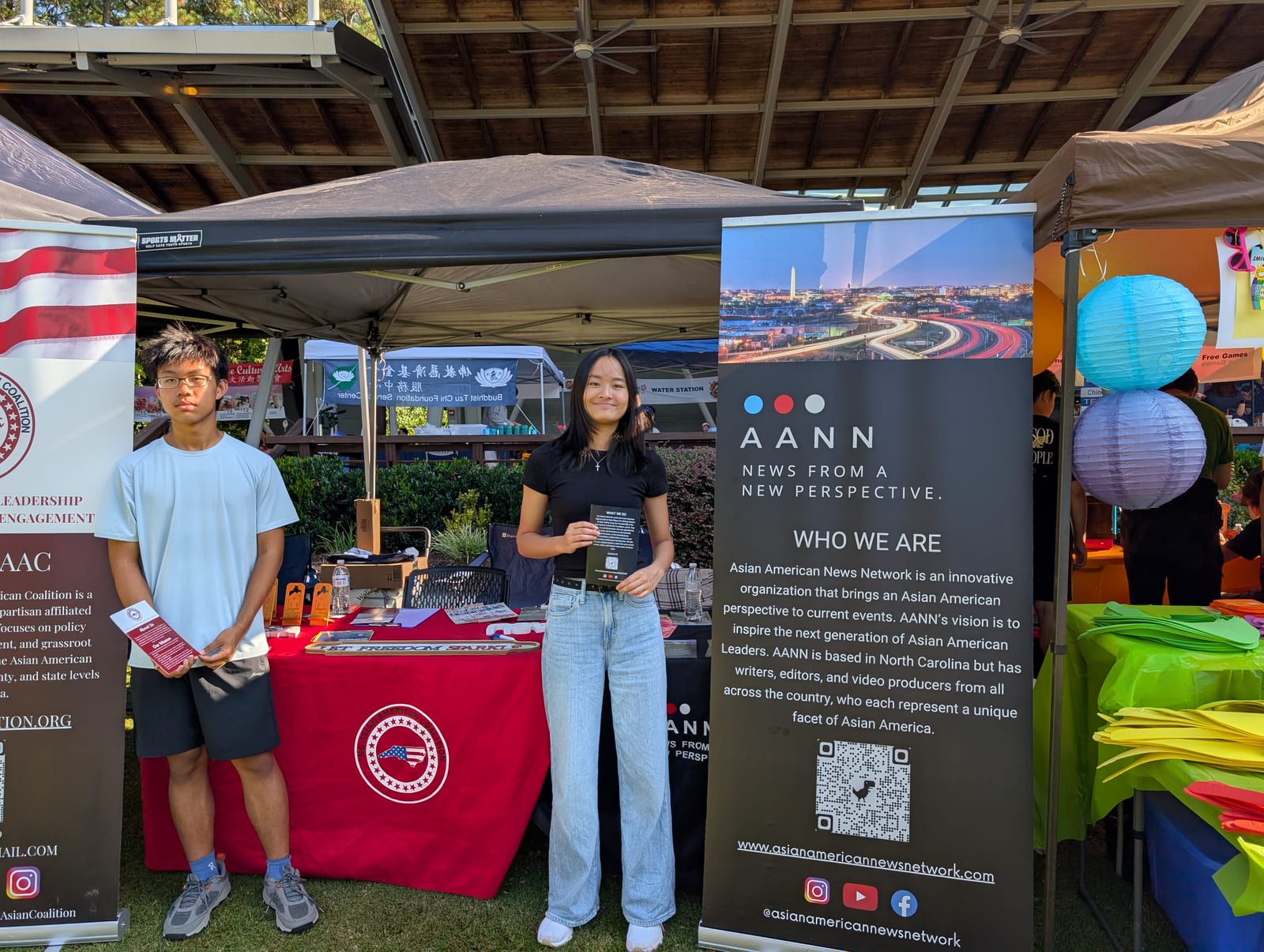
I was especially impressed by the young people. I met AANN, the Asian American News Network, a platform a local North Carolina high school student built so Asian American students could tell their own stories. Young volunteers and performers were everywhere. My 13-year-old daughter, Viveka, and her best friend, Anna, helped me at the event survey table. When Viveka was younger, she performed classical Chinese dance at Asia Fest for several years. This year I watched her contribute in another way, helping us hear what attendees thought of the event.
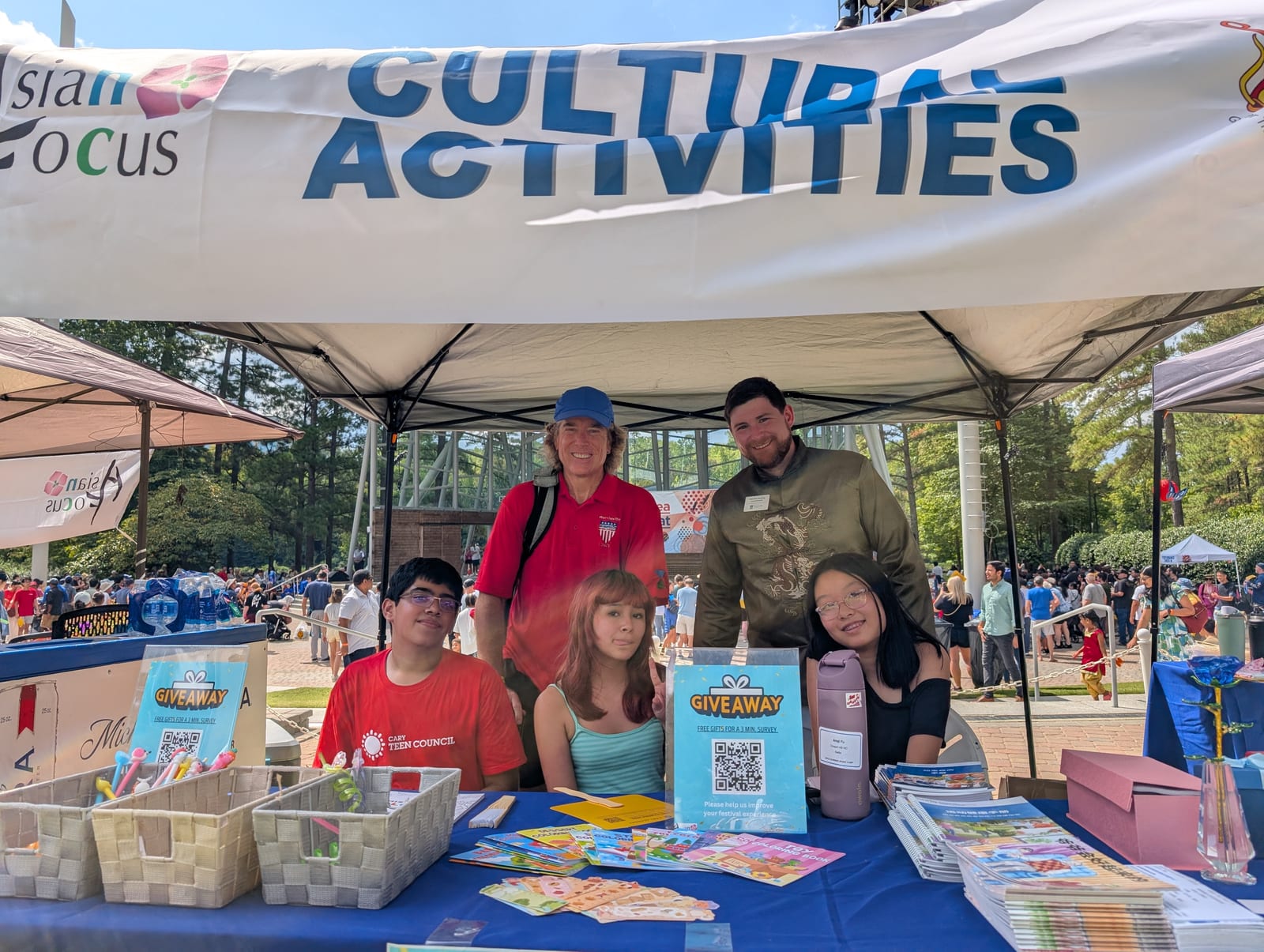
Seeing her there gave the week a personal shape. At MOCA, I heard about the hardships endured by generations of Chinese Americans who came before us. At the summit, Polly’s story spoke to the struggle many U.S.-born Asians have faced in reconciling their heritage with their desire to belong. Then, at Asia Fest, I saw a younger generation embracing that heritage and sharing it with pride. Watching them perform, volunteer, and create spaces to tell their own stories made me incredibly proud.
Asian + American took on an even broader meaning for me at Asia Fest. As we celebrated America’s 250th anniversary, Asian and non-Asian neighbors came together to enjoy the performances, cheer for dragon boat teams, and learn from one another. Asian cultures were part of a celebration shared by the whole community, and the people sharing in it reflected the country we are building together.
Our country feels divided right now. Still, what I witnessed across these events, and especially at Asia Fest, leaves me optimistic. When we make room for one another’s histories and celebrate what each of us brings, we can find ways to connect. Seeing the younger generation lead with such openness and pride gives me hope for the future of this country.