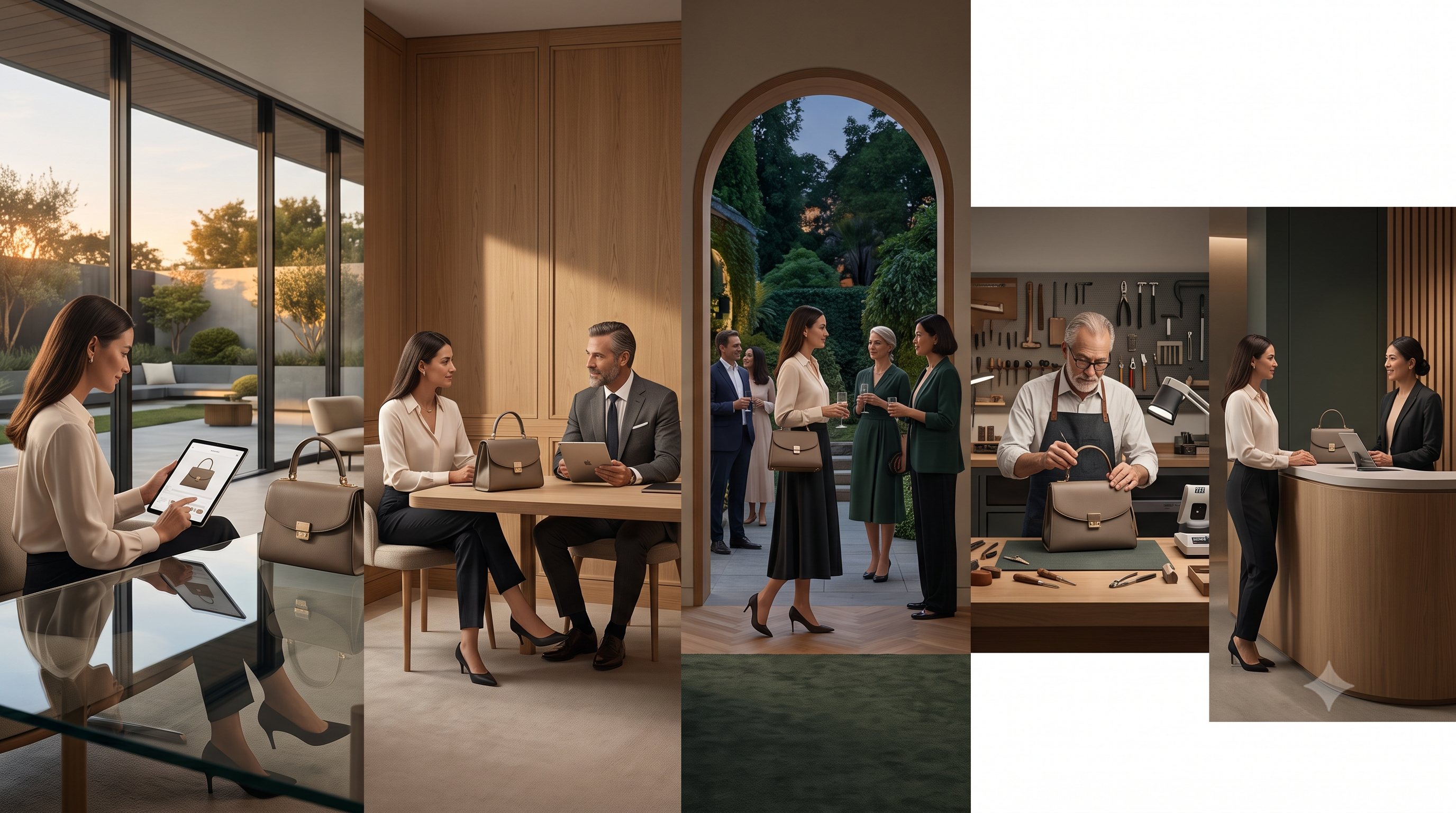
Luxury has long been defined by exceptional craftsmanship, heritage, exclusivity, and scarcity. Those qualities have shaped the world’s most valuable luxury brands and continue to define what makes the category distinctive. Consumers still expect uncompromising quality, timeless design, and the confidence that comes from owning something exceptional. Those expectations are not changing.
What is changing is how consumers define value. Increasingly, they expect luxury brands to deliver more than extraordinary products. They are looking for personalized experiences, trusted services, meaningful engagement, and interactions that continue well beyond the point of purchase. Ownership is becoming one part of a broader brand experience rather than the experience itself.
Recent research from EY and Bain & Company suggests this is more than an evolution in customer expectations. It reflects a broader shift in how luxury brands create and sustain competitive advantage. For decades, differentiation was driven primarily by the product. Today, differentiation is increasingly shaped by everything that surrounds the product, including how consumers discover the brand, how they are recognized throughout their journey, and how the brand continues to create value after the sale.
The Competitive Battleground Is Changing
Luxury brands have historically competed by creating products that were difficult to replicate. Superior craftsmanship, iconic design, and rich brand heritage justified premium prices while reinforcing aspiration and exclusivity. The EY Luxury Client Index 2026 confirms that these attributes remain among the strongest drivers of purchase decisions, underscoring that craftsmanship and heritage are still the foundation of luxury brand equity.
The challenge is not that these strengths have become less important. The challenge is that they have become expected. Every leading luxury house is investing in craftsmanship, storytelling, and design excellence, making it more difficult to stand apart through products alone. As a result, consumers increasingly evaluate the broader experience surrounding the purchase. They notice whether interactions feel personal, whether physical and digital touchpoints work seamlessly together, and whether a brand continues to recognize and reward them after they become customers.
This shift reflects a broader change in consumer expectations across industries. Consumers have grown accustomed to personalized recommendations from streaming platforms, loyalty ecosystems in travel and hospitality, and digital experiences that adapt to their preferences over time. Those experiences inevitably influence expectations in luxury as well. Consumers no longer compare a luxury brand solely with another luxury brand. They compare it with the best experience they receive anywhere.
Luxury Is Becoming an Ecosystem Business
Viewed individually, many of today’s luxury initiatives appear to address different business challenges. Certified pre-owned programs strengthen resale. AI improves personalization. Exclusive events reward loyal customers. Memberships and hospitality create new experiences. Each initiative serves a distinct purpose.
Viewed together, however, they represent something much more significant.
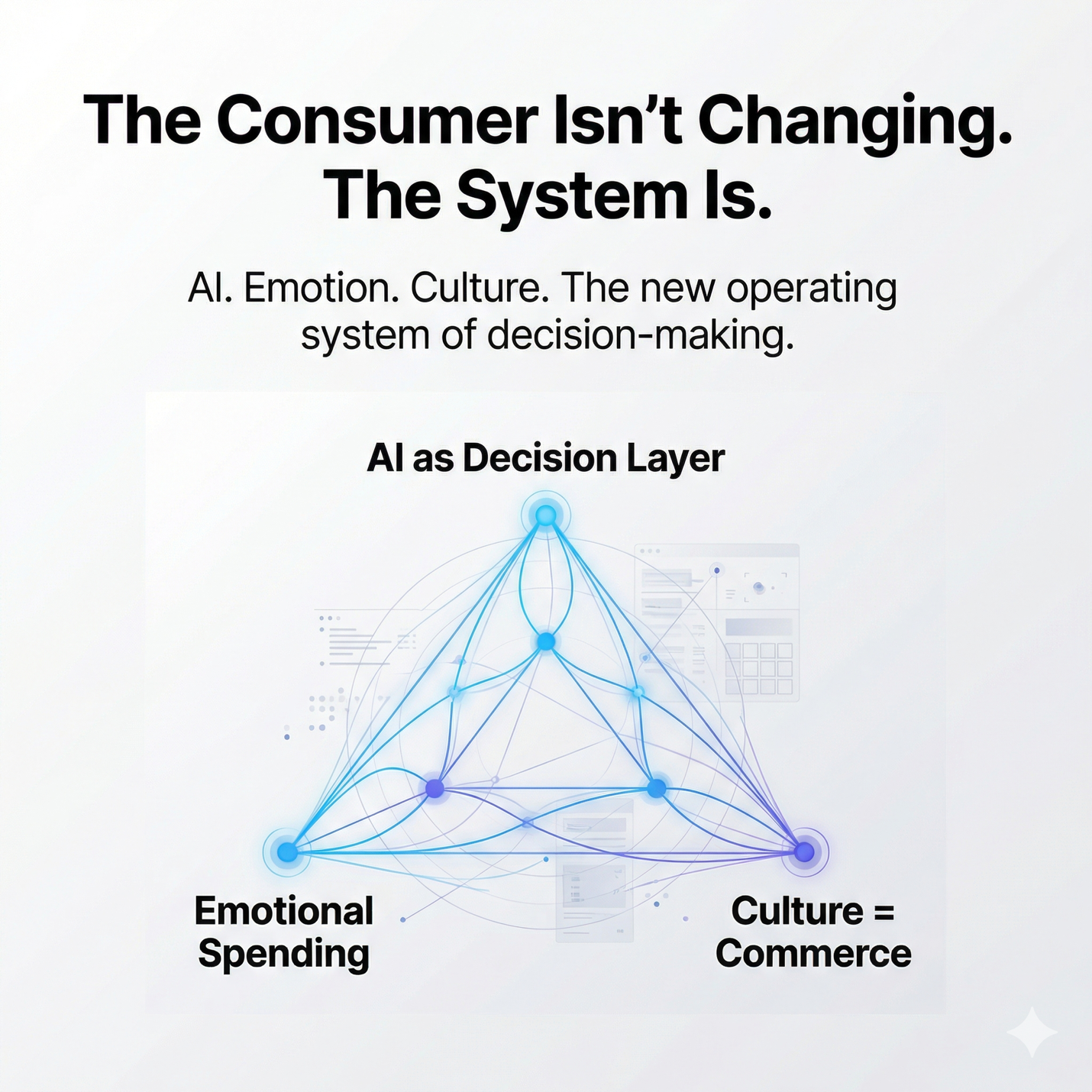
Luxury brands are building ecosystems designed to extend engagement throughout the customer lifecycle. Rather than concentrating value in a single transaction, they are creating multiple opportunities to strengthen trust, reinforce relevance, and deepen emotional connection over time.
The findings from EY and Bain support this broader interpretation. EY found that 62% of aspirational luxury consumers would consider purchasing certified pre-owned products directly from luxury brands, while nearly half said doing so would increase their likelihood of making future luxury purchases. Bain similarly identifies resale, experiential offerings, and AI-enabled discovery as increasingly integrated components of the luxury landscape rather than isolated growth initiatives.
Perhaps the most important implication is that these capabilities reinforce one another. Certified resale keeps consumers within the brand’s ecosystem. Experiences create emotional attachment that products alone cannot provide. AI helps personalize interactions across channels. Together, they increase the number of meaningful moments brands have to create value throughout the relationship instead of concentrating that value at the point of sale.
Luxury Is Becoming More Personal
This evolution also reflects a broader cultural shift in what luxury represents.
Luxury has traditionally communicated achievement and status through ownership. Those associations remain relevant, but they are increasingly complemented by a desire for experiences that feel personal, memorable, and authentic. Consumers are looking for brands that reflect their identity, align with their values, and fit naturally into their lifestyles rather than simply signaling success.
This is particularly evident among Millennials and Gen Z, who continue to become more influential within the luxury market. These generations often place greater value on experiences, authenticity, and participation than previous generations. For them, attending an exclusive event, receiving personalized service, or feeling part of a brand’s community can be just as meaningful as acquiring the product itself. Luxury is becoming less about possessing an object and more about participating in a brand’s world.
This shift helps explain why many luxury brands are expanding into hospitality, private events, travel, cultural collaborations, memberships, and concierge-style services. These investments are not diversions from the core business. They create new opportunities to strengthen emotional affinity, encourage repeat engagement, and reinforce the values that make luxury brands distinctive.
Technology Should Deepen Human Connection
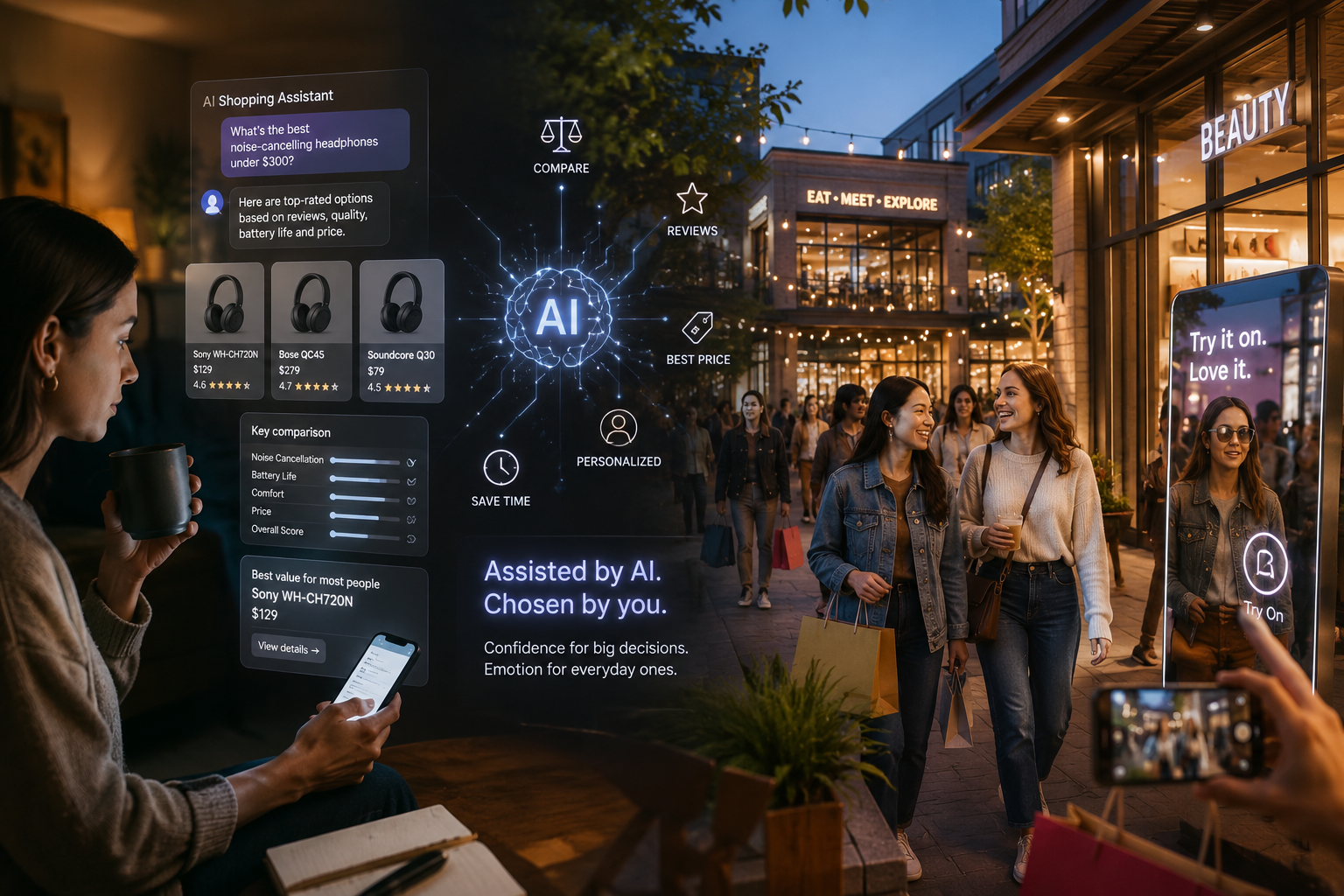
Artificial intelligence is becoming another important component of this evolving ecosystem. The conversation often centers on efficiency and automation, yet the research suggests consumers see its greatest value elsewhere.
According to EY, 94% of aspirational luxury consumers believe AI can improve the shopping experience through better search, more relevant recommendations, and personalized interactions. Bain likewise identifies AI-enabled discovery and client engagement as capabilities that will continue reshaping the luxury customer journey.
Consumers also make clear that technology should strengthen, rather than replace, the human dimension of luxury. Personal relationships, knowledgeable advisors, and attentive service remain among the category’s strongest differentiators. AI has the potential to make those interactions even more valuable by giving client advisors deeper insight into customer preferences, purchase history, and emerging interests. Used thoughtfully, technology allows advisors to spend less time gathering information and more time delivering genuinely personal service.
Why This Matters for Brand Strategy
Perhaps the most important implication of these developments is not technological. It is strategic.
Every trend highlighted by EY and Bain, whether certified resale, exclusive experiences, AI-enabled personalization, or ongoing client engagement, extends the relationship between consumers and brands. Longer relationships typically lead to greater customer lifetime value, stronger advocacy, richer first-party data, and greater resilience during periods of slower market growth. Those advantages become even more important as global luxury demand becomes more uneven and attracting new customers becomes increasingly expensive.
This changes where luxury brands should focus their investments. Product innovation will always remain essential, but long-term growth is increasingly tied to what happens after the initial purchase. Brands that continue creating value through personalized service, meaningful engagement, trusted resale, and ongoing recognition are likely to build stronger loyalty than those focused primarily on driving the next transaction.
The opportunity, therefore, is not simply to create better products. It is to create better customer lifecycles.
Looking Ahead
The future of luxury is not about choosing between heritage and innovation. Heritage provides the credibility that defines luxury, while innovation creates new ways to extend that value throughout the customer experience.
The combined findings from EY and Bain suggest that luxury is entering a new competitive era. Exceptional products remain the foundation of every successful luxury brand, but they are no longer the sole source of differentiation. Increasingly, competitive advantage will come from the quality of the ecosystem surrounding those products and the ability to remain relevant throughout the customer’s lifetime.
The brands that lead the next chapter of luxury will continue to create exceptional products. More importantly, they will create experiences, services, and relationships that give consumers compelling reasons to stay engaged long after the purchase is complete. In a market where craftsmanship is expected, the most enduring source of brand value may be the ability to remain meaningfully connected to customers over time.
References
- Bain & Company. “Global Luxury Stabilizes Amid Compounding Disruptions as Brands Race to Amplify Meaning and Rebuild Relevance.” Bain & Company, 17 June 2026.
- O’Brien, Gigi. “EY Luxury Client Index 2026: New Ownership Models, Experiences and AI Could Reshape How Aspirational Clients Engage with Luxury Brands.” EY, Ernst & Young Global Ltd., 18 June 2026.