Why Cultural Nuance Is the Next Source of Incremental Growth for Established Brands
For decades, established brands benefited from a powerful shortcut in consumer decision-making: familiarity implied superiority. Brand recognition reduced risk, justified price premiums, and fostered loyalty that often went unquestioned.
That shortcut no longer holds.
In 2025–2026, consumers approach brands with a more deliberate, evaluative mindset. The rise and normalization of private-label and store brands have fundamentally reshaped how people assess value, quality, and relevance. “Good enough” is now widely accepted — and in many categories, indistinguishable from “best.”
This shift has not erased the advantage of established brands, but it has redefined it.
The New Brand Relationship: Conditional, Contextual, and Comparative
Today’s consumers no longer form blanket relationships with brands. Instead, they make situational choices:
- National brands for moments that feel higher-stakes, identity-expressive, or emotionally charged
- Store brands for everyday needs where functional parity is assumed
- A mix of both, often within the same shopping trip
Loyalty, once habitual, is now conditional. It must be earned repeatedly, justified in context, and reaffirmed through relevance — not just reputation.
For established brands, this creates a structural challenge:
When quality is assumed everywhere, meaning becomes the differentiator.
Why “Premium” Alone No Longer Protects Growth
Many established brands still lean on legacy signals — heritage, scale, polish, and awareness — to justify premium positioning. But these cues are increasingly abstract to consumers who:
- Actively compare prices and reviews
- Understand how products are made
- Believe that retailers can produce high-quality alternatives
As a result, brand preference is less automatic and more fragile. Incremental growth no longer comes from broad reach or louder messaging, but from deeper relevance.
This is where cultural nuance becomes decisive.
Cultural Nuance as a Growth Strategy, Not a Moral Imperative
Cultural nuance is often misunderstood as representation, translation, or surface-level customization. In reality, it is about understanding how different consumers define value, trust, and relevance — and why.
In a fragmented, comparison-driven market, culturally nuanced brands win incremental growth in three critical ways:
1. They Anchor Meaning Where Others Compete on Price
Culturally informed brands understand what matters most within specific communities:
- Which benefits signal quality versus hype
- Which cues convey authenticity versus marketing
- Which moments justify paying more — and which do not
This allows brands to defend their premium not across the board, but where it truly resonates.
2. They Build Emotional Distinction That Store Brands Can’t Replicate
Private labels can match formulation, packaging, and even innovation speed. What they cannot easily replicate is cultural credibility — earned through time, understanding, and participation.
Brands that reflect real lived experiences, values, and tensions:
- Feel more human
- Invite identification, not just consumption
- Create preference that survives price comparison
This emotional differentiation is increasingly the only defensible moat.
3. They Capture Growth Beyond the “Average Consumer”
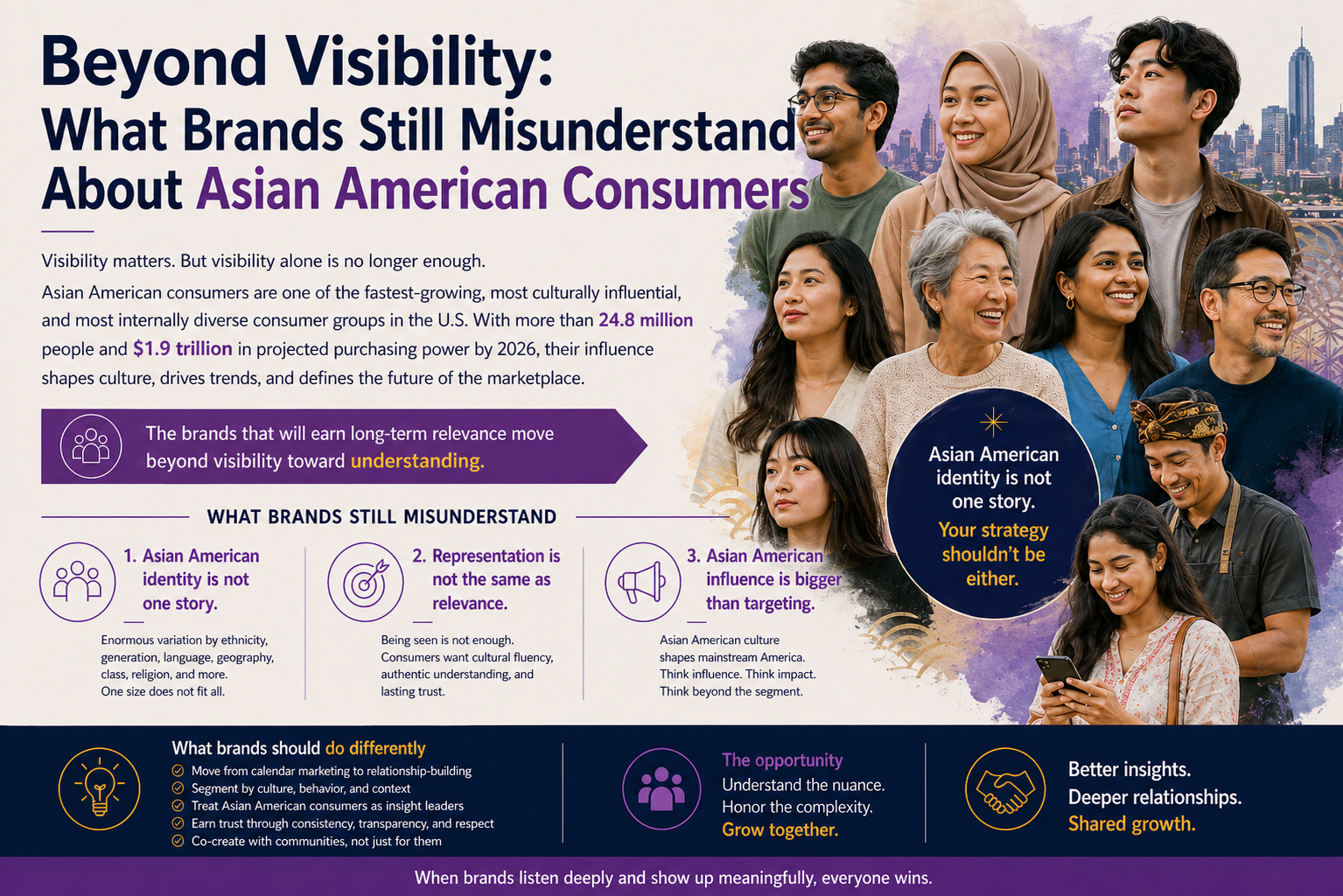
As the U.S. consumer base becomes more diverse, growth no longer comes from optimizing for the middle. It comes from recognizing that different groups:
- Enter categories through different pathways
- Assign meaning to brands differently
- Influence broader culture disproportionate to their size
Culturally attuned brands don’t just reach these consumers — they learn from them, often unlocking insights that shape mainstream trends.
The Strategic Reframe for Established Brands
The question is no longer:
“How do we protect our brand against cheaper alternatives?”
It is:
“Where do we matter enough that consumers choose us even when cheaper options exist?”
Answering that requires moving beyond generic brand promises and into specific cultural relevance — not as a campaign tactic, but as a strategic discipline.
The Opportunity Ahead
In an era where store brands have erased the stigma of “generic,” established brands must earn preference through meaning, not memory.
Cultural nuance provides a path to:
- Re-establish emotional value
- Justify premium selectively and credibly
- Drive incremental growth in a market where scale alone no longer guarantees it
The brands that win next won’t be the ones that try to be everything to everyone — but the ones that understand exactly who they matter to, and why.