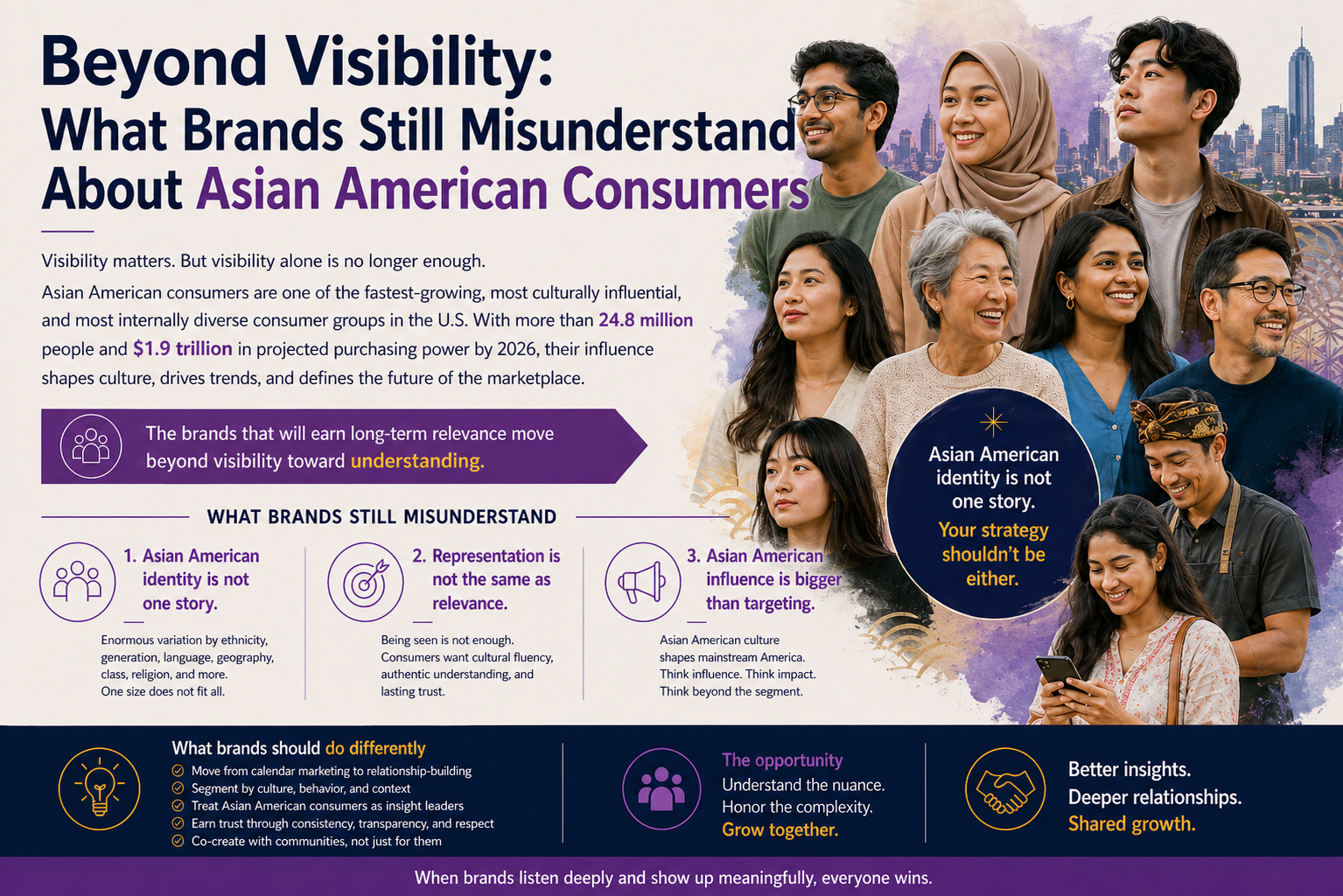
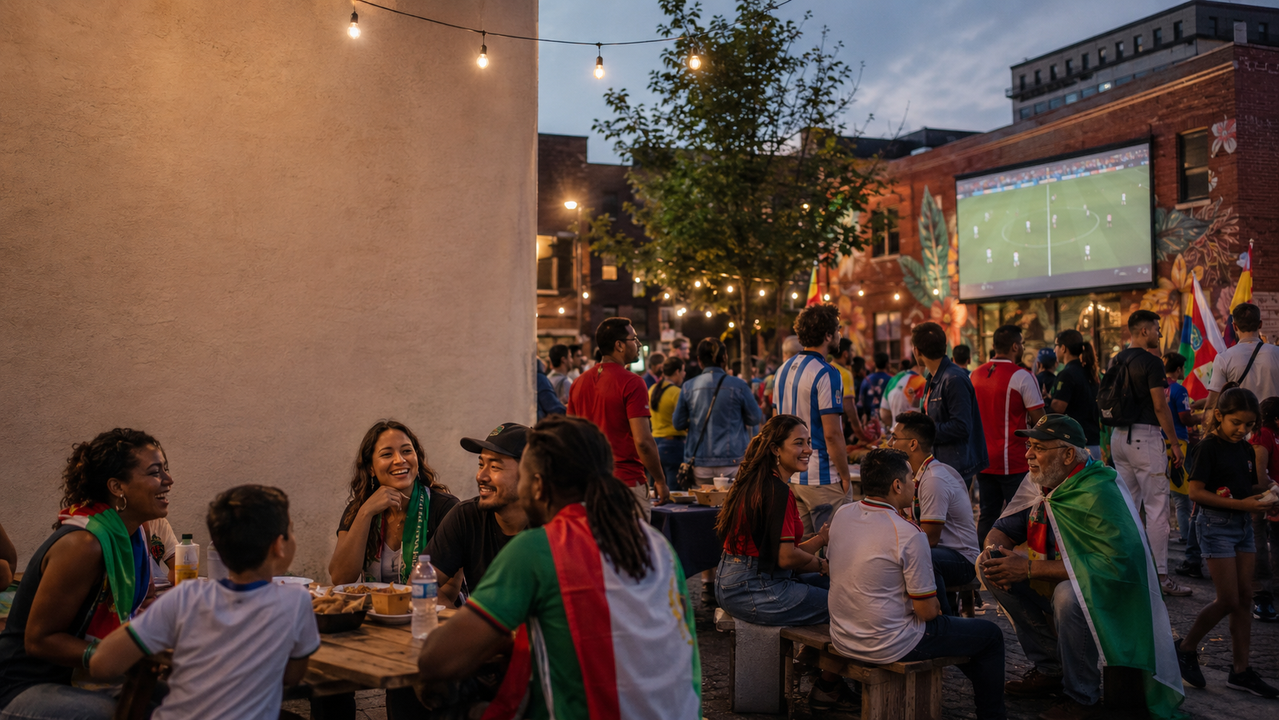
In 2025, multicultural marketing didn’t “retreat” so much as re-architect around risk, measurement, and distribution. The big evolution was a shift from high-visibility, values-forward messaging toward lower-drama, higher-precision growth marketing—while political polarization and legal scrutiny changed what brands were willing to say out loud.
Campaign Evolution In 2025: From “Statement” To “Systems”
“Quiet Inclusion” Replaces “Headline Inclusion”
Brands that still believed in inclusive growth increasingly kept the work but softened the language—relabeling, depoliticizing, and reducing public self-congratulation to avoid becoming a target. (Wall Street Journal)
What Changed in Campaign Craft
- Less “brand manifesto,” more cultural relevance embedded in product stories, creator partnerships, and community utility.
- More market-by-market nuance (creative variations by language, culture, locality), but fewer splashy corporate announcements.
Polarization Turned Multicultural Campaigns Into “Risk-managed Products”
2025 made “culture” and “identity” an operational risk category—especially for Pride, race-linked initiatives, and DEI-adjacent messaging:
- Major marketers rethought Pride marketing amid political pressure and uncertainty. (Wall Street Journal)
- Some brands paused or constrained Pride-related promotion after backlash concerns—showing how quickly cultural marketing became a reputational calculus. (Wall Street Journal)
- Retailer decisions around DEI rollbacks triggered boycotts and measurable commercial consequences—creating a cautionary case study for values-linked multicultural marketing. (Wall Street Journal)
Net effect: Campaigns became more scenario-planned (creative alternatives ready, tighter approvals, faster response playbooks), and brands favored proof-of-impact over proclamations.
Politics Directly Influenced Multicultural Consumer Behavior (Not Just Messaging)
WSJ reporting tied immigration enforcement and fear to reduced Latino shopping and sales impacts—pushing marketers to treat multicultural demand as sensitive to policy climate, not merely demographics. (Wall Street Journal)
Media Strategy & Content Distribution: “Where Culture Travels” Changed
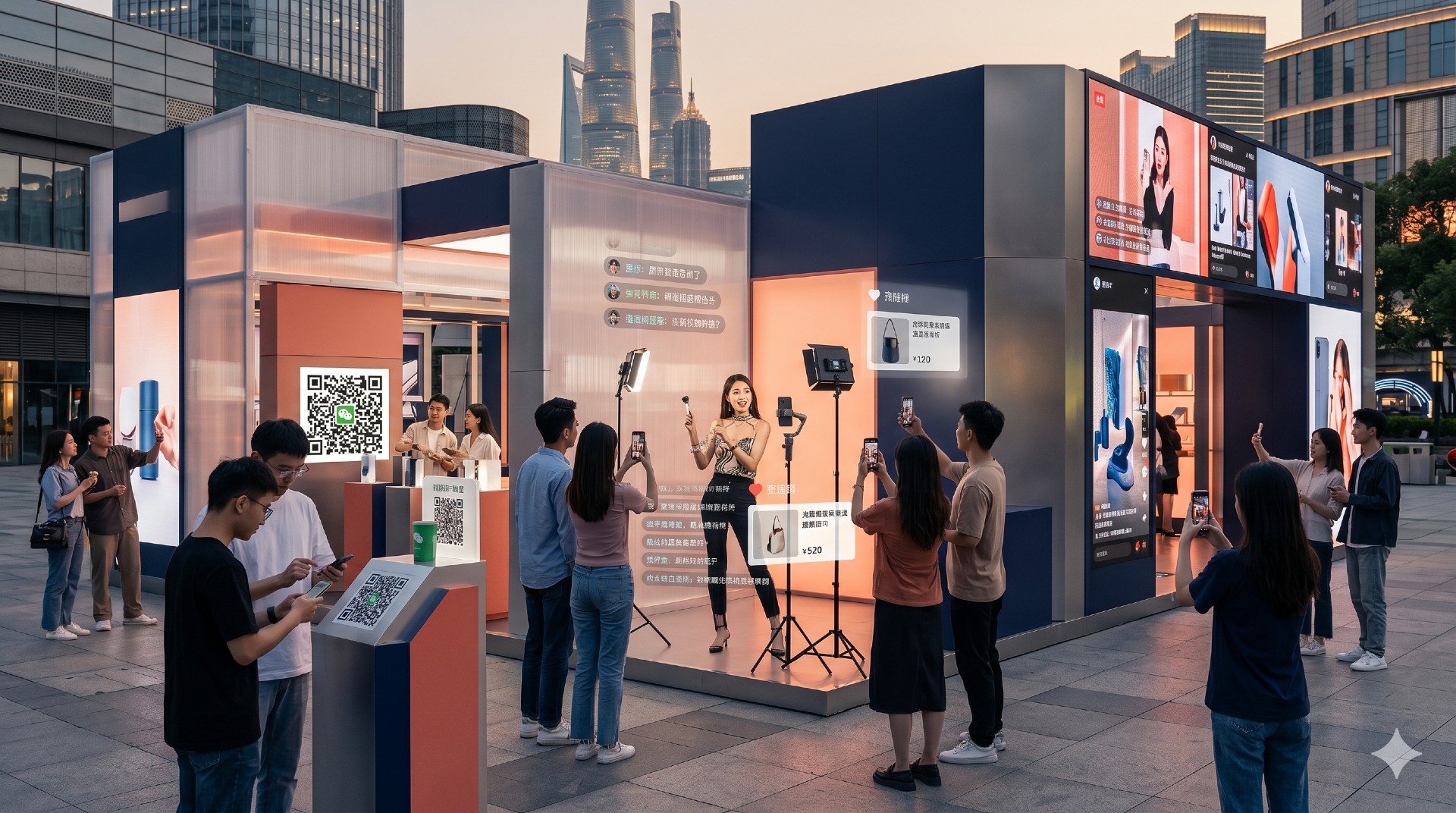
Social Platforms And Creators Accelerated As The Primary Cultural Distribution Layer
A core 2025 shift is that social video/creators increasingly disrupted traditional entertainment and attention, which matters for multicultural reach because creators often deliver language, humor, and identity cues more credibly than brand ads. (Deloitte Insights)
What This Did To Media Plans
- More creator-led storytelling (especially for bicultural, multilingual, and youth segments).
- More iterative creative testing (short cycles, many versions) rather than a few hero ads.
Retail Media Became The “Performance Spine” For Multicultural Growth
WSJ highlighted retail media’s surge and the expectation that it would overtake TV ad revenue in 2025—a major structural shift in where budgets flow. (Wall Street Journal)
At the same time, retail media networks matured from “ads by aisle” into a creative + brand-building channel with closed-loop measurement. (Deloitte Insights)
Why This Mattered For Multicultural Marketing
- Multicultural audiences often over-index in mobile commerce behaviors; retail media lets brands tie culturally tailored creative to purchase and loyalty outcomes.
- It enabled “culture to conversion” pipelines: creator → social → retail media retargeting → conversion measurement.
CTV And Measurement Upheaval Pushed Multicultural Beyond Basic “In-Language”
Connected TV remained important, but 2025’s bigger story was measurement change and cross-platform currency shifts (e.g., Nielsen moving away from panel-only ratings). (Wall Street Journal) That accelerated a pragmatic reality: multicultural budgets increasingly follow measurable audiences, not broad proxies.
More Budget Pressure = More Accountability
Even as global ad spend forecasts improved, the narrative was still about efficiency, AI, and ROI discipline. WSJ described rising ad spend expectations in 2025, with AI and retail media reshaping allocations. (Wall Street Journal) Separately, marketers were balancing spend across talent, paid media, martech, and production—reflecting a more operational, systemized marketing model. (Deloitte Insights)
What WSJ-Linked Economic, Marketing, And Media Trends Imply For Multicultural Marketing
The 2025 “Operating Model” For Multicultural Marketing
- Prove it with outcomes: Retail media + loyalty + incrementality became the language executives trusted. (Deloitte Insights)
- Distribute through creators: Social platforms and UGC became the culturally agile layer. (Deloitte Insights)
- Prepare for backlash volatility: Pride/DEI became more politicized; brands planned for boycotts and rapid narrative shifts. (Wall Street Journal)
- Treat policy as a market variable: Immigration actions and political climate measurably changed consumer behavior in some categories. (Wall Street Journal)
- Modernize measurement: Cross-platform currency battles and new ratings approaches increased pressure to unify measurement across CTV/social/retail. (Wall Street Journal)
Practical Takeaways (How Teams Adjusted In 2025)
From DEI-as-PR to inclusion-as-product: Brands that stayed effective moved inclusion into product availability, distribution, and community relevance—while dialing down public positioning. (Wall Street Journal)
From “multicultural campaign” to “multicultural content supply chain”: Always-on creator content + retail media targeting + localized landing pages + CRM personalization.
From translation to cultural design: Less direct translation; more culturally specific formats, humor, casting, and creator collaboration—then optimized with performance signals.