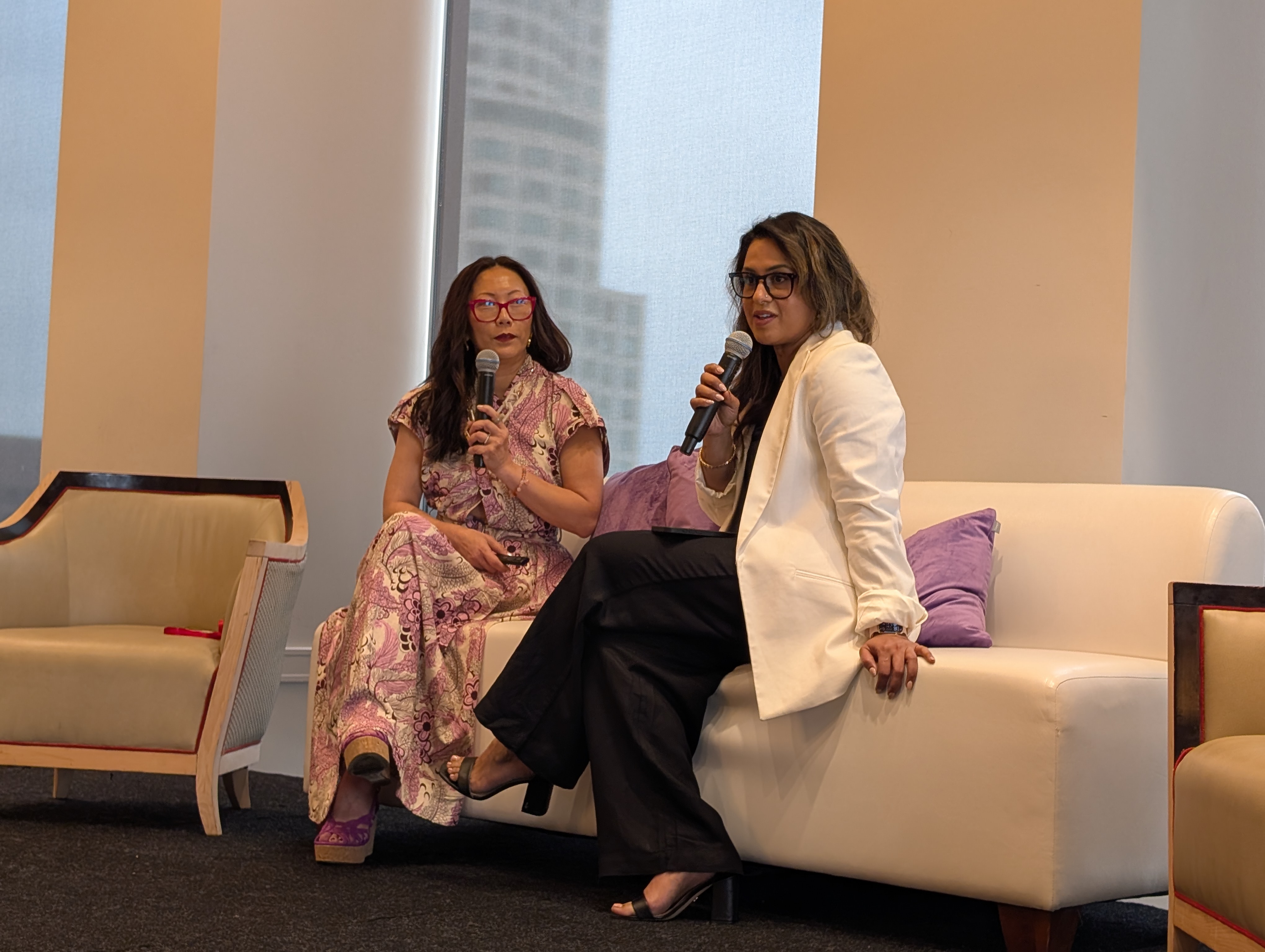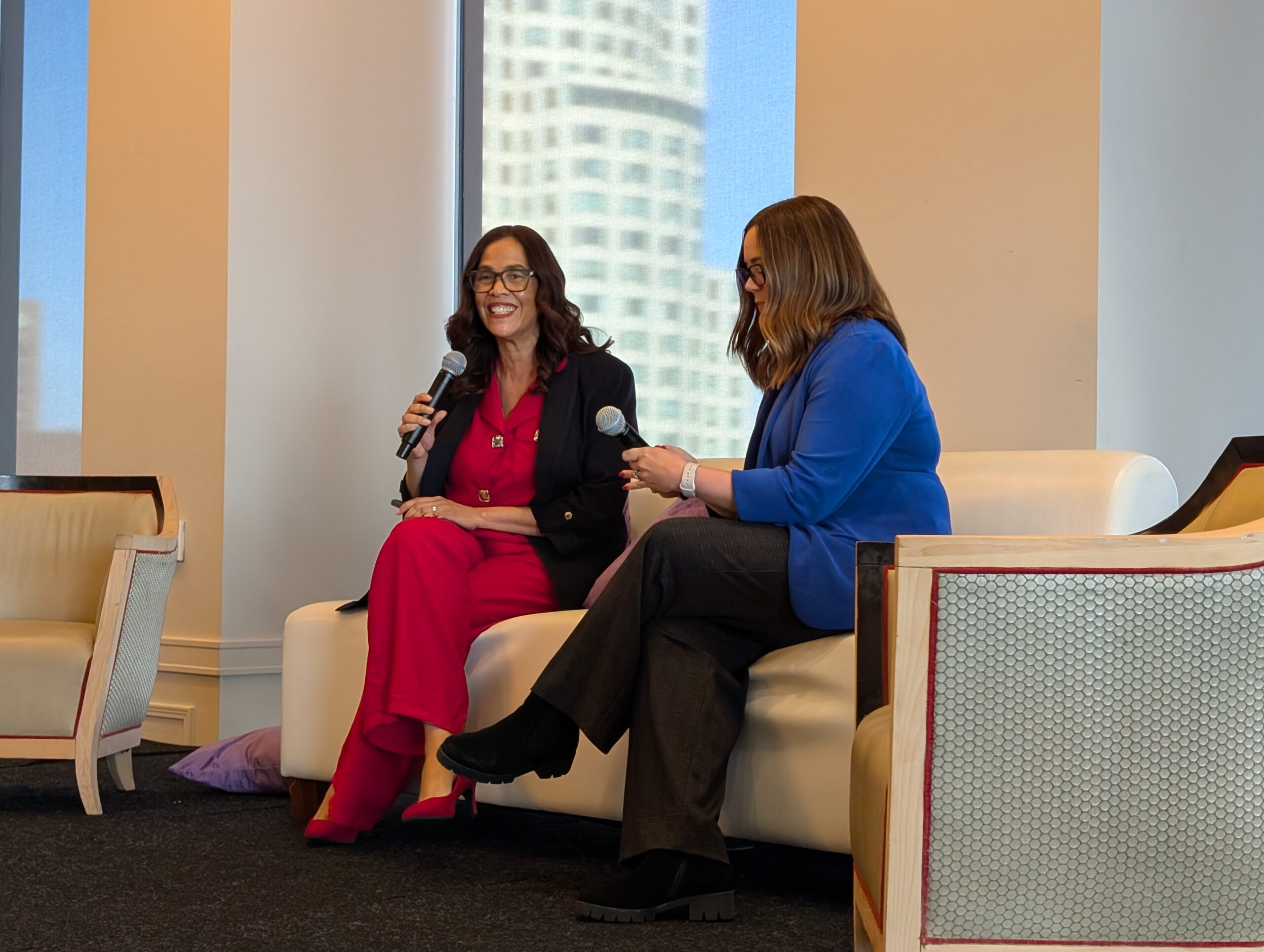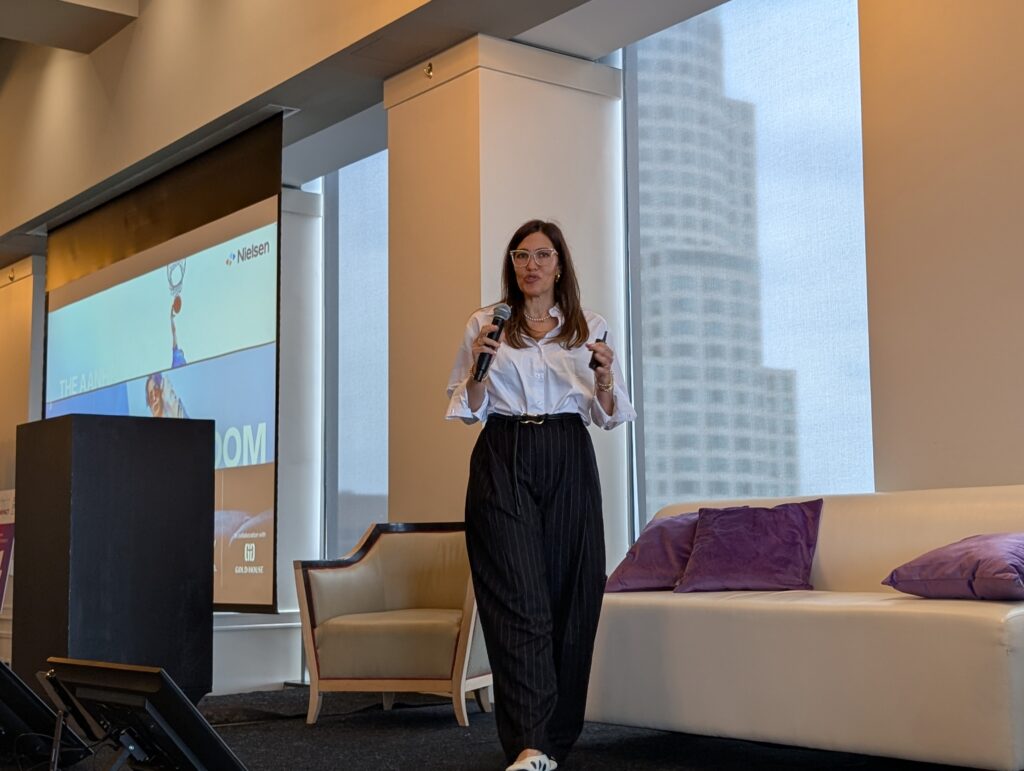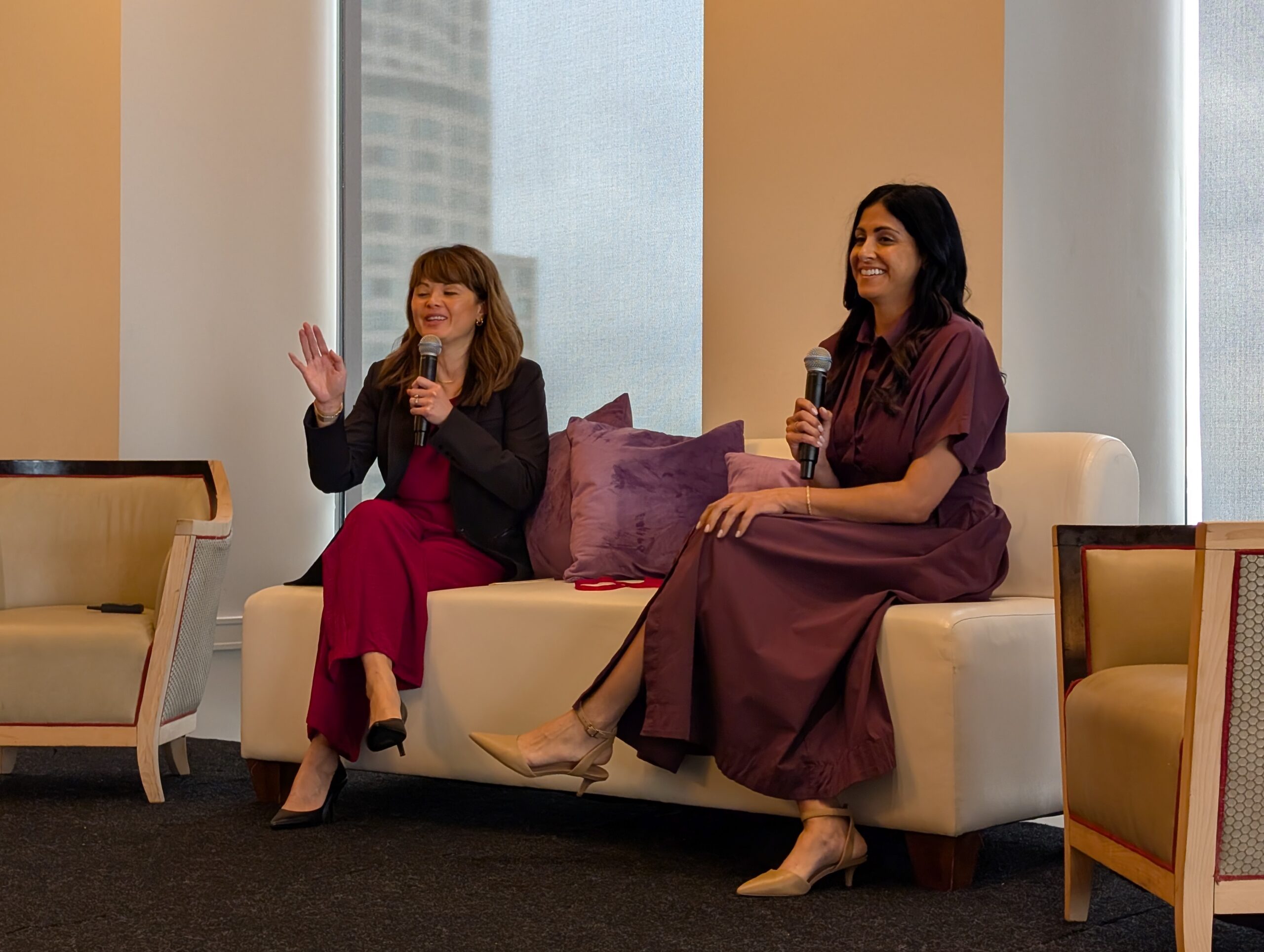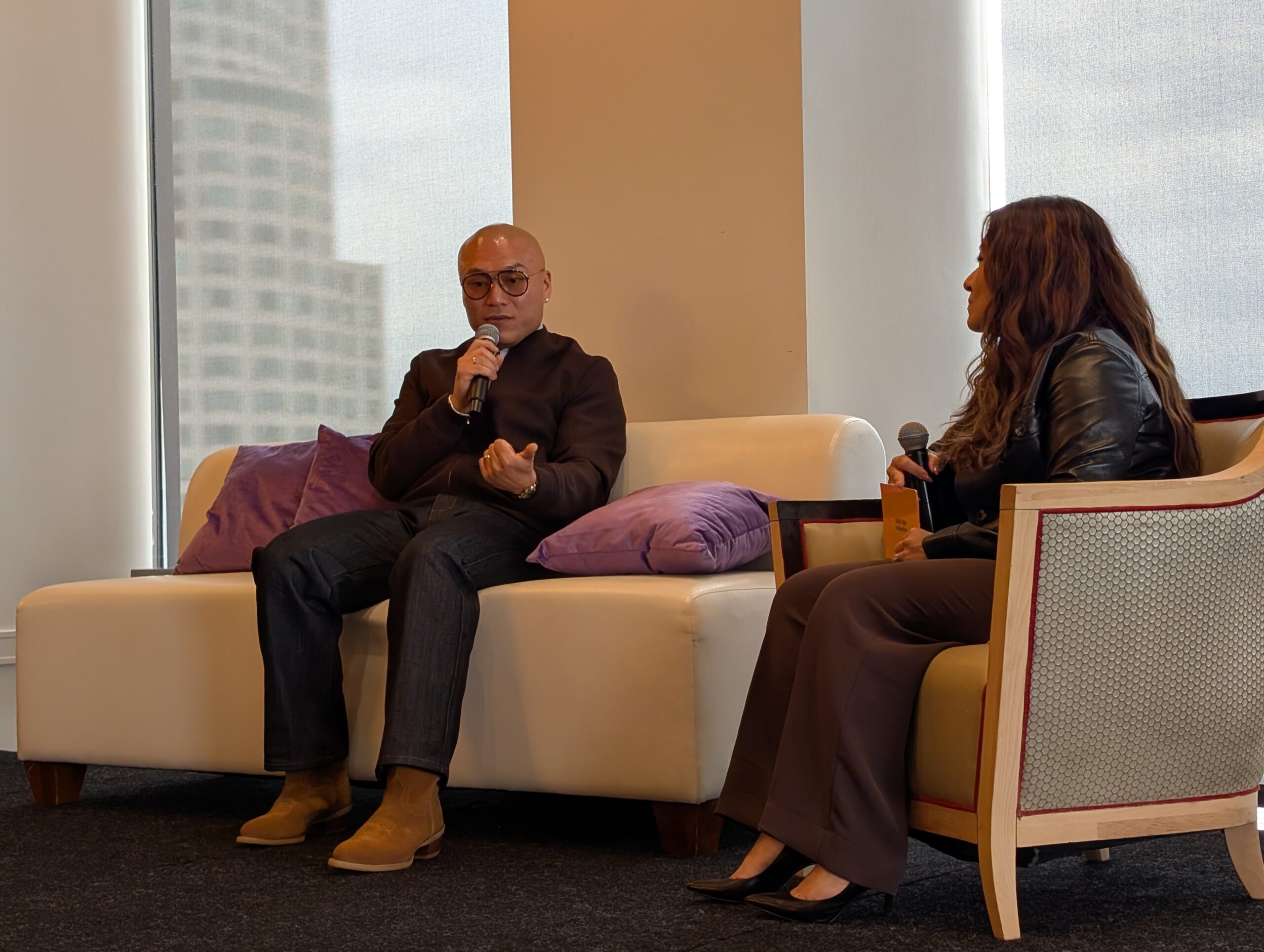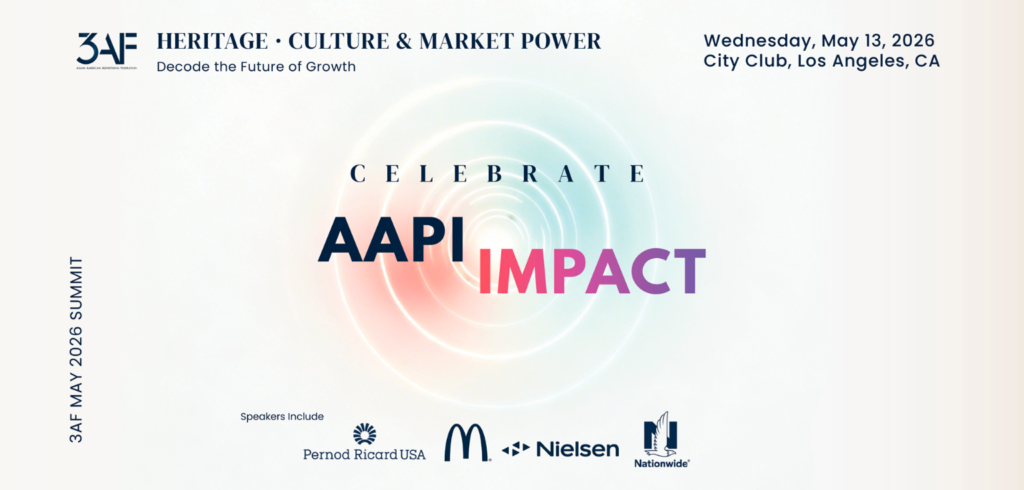
Each May, brands, agencies, media companies, and community leaders gather to celebrate Asian American, Native Hawaiian, and Pacific Islander Heritage Month. But at this year’s 3AF May Summit, the conversation quickly moved beyond celebration.
The central message was clear: Asian American culture is no longer a niche, a seasonal activation, or a symbolic representation opportunity. It is shaping mainstream culture, influencing consumer behavior, driving fandom, redefining media habits, and opening new pathways for business growth.
For marketers, this shift requires more than adding Asian faces to a campaign during heritage month. It requires a deeper understanding of how culture moves, why certain cultural touchpoints resonate, and how brands can participate with credibility, consistency, and respect.
At Sparkle Insights, we see this as a defining opportunity for brands: the next era of Asian American marketing will belong to those who understand not only who the audience is, but why their influence matters.
From Representation to Relevance
For years, multicultural marketing often started with representation. Did people see themselves in the campaign? Were diverse faces included? Were cultural holidays acknowledged?
Representation still matters. But the summit made a strong case that representation is now only the starting point.
McDonald’s session, “Beyond Representation: Rethinking Audience Strategy for Targeting AAPI Consumers,” offered one of the clearest examples. The brand’s approach to the Asian Consumer Market was not just about casting or cultural visibility. It was about building a “brand for me” relationship through everyday rituals, menu innovation, family moments, community investment, and culturally specific storytelling.
The strategic leap is important. When McDonald’s talked about being “Iconically Asian,” the idea was not simply to feature Asian celebrities or borrow Asian aesthetics. It was to recognize that Asian American life is filled with iconic moments, both big and small: the first-generation college graduate, the family food ritual, the karaoke night, the boba run, the sauce drawer, the cross-generational celebration, the cultural holiday, the fandom event.
This is where relevance lives. It is not only on the screen. It is in the spaces, places, behaviors, memories, and emotional codes that make people feel seen.
The best brands are no longer asking, “How do we include this audience?” They are asking, “How do we understand what already matters to them, and how can our brand show up in a way that adds value?”
Cultural Influence Is Expanding the Addressable Market
Another major theme from the summit was the growing mainstream influence of Asian culture. From K-pop and anime to K-beauty, boba, mahjong, webcomics, cinema, food, fashion, sports, and gaming, Asian cultural touchpoints are increasingly shaping what broader audiences watch, buy, eat, play, and talk about.
This creates a larger strategic opportunity than traditional demographic targeting alone.
The Intertrend presentation captured this well. Asian culture is not just resonating with Asian consumers; it is inspiring the general market. But the presenters also emphasized that as Asian culture becomes more mainstream, the risk of shallow interpretation increases. Marketers may see the “what” of a trend — boba, mahjong, anime, K-pop, ube, matcha, Korean skincare — without understanding the “why” behind its resonance.
That “why” is where strategy should begin.
For some consumers, Asian cultural touchpoints signal joy, discovery, and optimism. For others, they represent comfort, health, identity, pride, aspiration, or social connection. The same cultural reference can carry different meanings across generations, ethnicities, acculturation levels, and fandom communities.
This is why cultural fluency matters. Brands cannot simply chase visible trends. They need to understand the emotional and social logic underneath them.
Fandom Has Become a Cultural Growth Engine
The WEBTOON and 88rising session highlighted another important shift: fandom is no longer a fringe behavior. It is one of the most powerful forces behind what becomes mainstream.
WEBTOON’s creator-driven ecosystem and 88rising’s role in amplifying Asian and Asian American artists both show how communities now help build cultural momentum from the ground up. Fans do not just consume content; they comment, remix, share, organize, attend, advocate, and bring others in.
For brands, this changes the rules of engagement.
A fandom is not a passive audience waiting to be targeted. It is an active community with its own language, values, humor, hierarchies, and expectations. A brand that enters without understanding those dynamics can feel intrusive. A brand that contributes thoughtfully can become part of the shared experience.
The lesson is not that every brand should jump into anime, K-pop, webcomics, or Asian music. The lesson is that fandoms are cultural ecosystems. Brands need to understand how trust is built inside them before trying to activate around them.
AI Can Accelerate Work, But It Cannot Replace Cultural Judgment
The summit’s AI panel added a timely layer to the conversation. AI is already transforming marketing workflows: speeding up research synthesis, creative ideation, coding, copywriting, decision support, and content production. Many marketers are using AI to work faster and stretch their capabilities.
But the discussion also surfaced a crucial limitation: AI can flatten culture.
When the work requires understanding nuance, context, lived experience, community trust, and emotional resonance, AI alone is not enough. It can surface patterns, organize information, and help teams move from insight to action faster. But the final leap — the one that separates a campaign that feels “technically correct” from one that feels true — still requires human judgment.
This is especially important in Asian American marketing, where the audience is highly diverse by ethnicity, language, generation, immigration history, geography, socioeconomic status, religion, media behavior, and cultural identification. A generic AI-generated read on “Asian consumers” can easily miss the difference between visibility and relevance.
AI may help marketers move faster. But cultural intelligence helps them move in the right direction.
Rituals Are Not Trends
One of the most memorable ideas came from Pernod Ricard’s Martell and mahjong discussion: brands do not own cultural rituals; they must earn the right to participate in them.
Mahjong is currently enjoying renewed visibility among younger consumers, including Gen Z and Millennials looking for analog, social, in-person experiences. But for many Asian families and communities, mahjong is not a trend. It is a ritual tied to memory, intergenerational connection, identity, hospitality, and belonging.
Martell’s approach was instructive because the brand did not try to reinvent the game or overbrand the moment. Instead, it focused on partnership with community organizers, respect for the players, restraint in execution, and consistency over time.
That distinction matters. When brands treat rituals as trends, they risk stripping away meaning. When they treat rituals with care, they can support cultural connection in ways that feel authentic and additive.
The future of cultural marketing will require more of this humility. Brands need to ask: Do we have credibility here? Are we listening before amplifying? Are we partnering with people who are already trusted in the community? Are we designing for consistency, not just content capture?
Business Growth Requires Cultural Specificity
The Nationwide case study reinforced a practical business lesson: cultural specificity is not a limitation. It can be a growth strategy.
Nationwide’s work with the Chinese American market in financial services began with a clear business rationale: a financially engaged audience, a real need for planning support, and distribution partners already embedded in the community. But the opportunity was not simply about translating materials. It was about reducing friction, building trust, supporting advisors, and addressing culturally shaped financial needs such as family responsibility, retirement planning, intergenerational support, and the desire for culturally fluent guidance.
This is a powerful reminder for brands in any category. Cultural marketing does not always need to start with a massive national campaign. It can start with a specific audience, a specific business challenge, a specific channel partner, and a specific moment where cultural understanding removes barriers.
Specificity makes strategy sharper. It gives brands a clearer role, a clearer audience, and a clearer path to trust.
The New Mandate for Brands
The 3AF May Summit made one thing clear: Asian American marketing is entering a new phase.
The old model treated Asian American consumers as a niche segment to be reached occasionally. The emerging model recognizes Asian American consumers and creators as drivers of mainstream culture, early adopters of media behaviors, builders of fandom, and influential participants in the future of brands.
For marketers, the mandate is changing.
- Do not show up only in May.
- Do not confuse representation with relevance.
- Do not chase trends without understanding rituals.
- Do not use AI as a substitute for human insight.
- Do not treat “Asian” as one audience with one story.
- Do not wait until competitors have already built trust.
Instead, invest in cultural intelligence. Listen deeply. Segment thoughtfully. Partner with credibility. Build for consistency. Understand the business case and the human story. Recognize that Asian American consumers are not only shaping culture; they are shaping the future of consumer behavior.
The opportunity is no longer hidden. The brands that move now, with humility and rigor, will not just reach Asian American consumers. They will learn from them, grow with them, and build relevance in a culture increasingly shaped by their influence.
That is the real lesson of this moment: Asian American culture is not a side conversation in marketing. It is one of the places where the future is already being made.