The conversation around AI in marketing and research has largely been framed in terms of efficiency: faster insights, cheaper content, better targeting. And all of that is true.
But it misses the more important shift already underway.
We are entering what we call the Human Premium Era—a market dynamic where AI scales everything, and as a result, human meaning becomes more valuable, not less.
The New Consumer Stack
Three forces are converging to reshape how consumers discover, evaluate, and connect with brands:
1. AI as the discovery layer
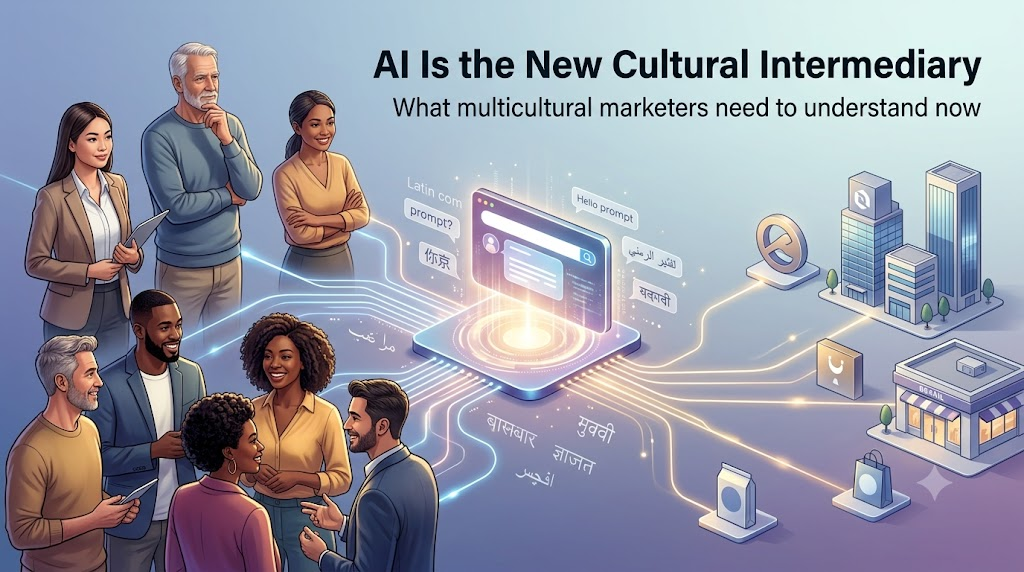
AI is rapidly becoming the interface for commerce. Products are no longer searched—they are surfaced. Algorithms match consumers to products before intent is even fully formed.
2. Value as identity
The explosive growth of resale, dupes, and value-driven shopping is not just economic—it is expressive. Consumers are signaling who they are through how they spend, save, and circulate goods.
3. Human authenticity as differentiation
At the same time, there is a growing backlash to what consumers perceive as “AI slop”—generic, low-effort, mass-produced content. In response, craft, creativity, and human perspective are becoming premium signals.
Together, these forces create a new consumer stack:
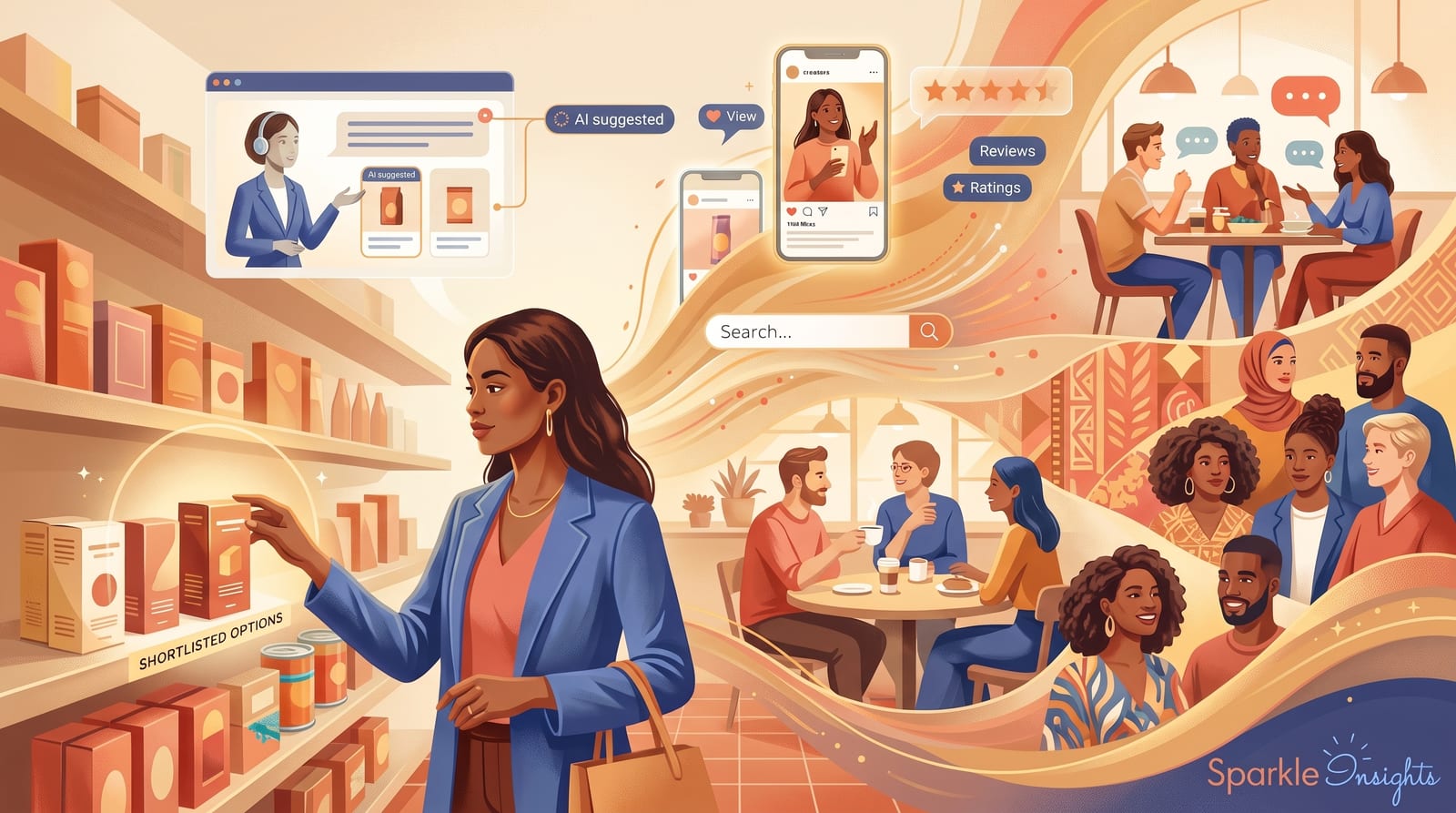
- AI determines what is seen
- Value determines what is considered
- Humanity determines what is chosen
The Rise of Intentional Friction
One of the clearest signals of this shift is the unexpected return of analog behaviors.
Gen Z and Gen Alpha consumers—often assumed to be fully digital—are increasingly embracing physical media, retro technology, and offline experiences. From CDs and DVDs to film cameras and in-person communities, these behaviors reflect something deeper than nostalgia.
They reflect a desire for control, tangibility, and intention.
In a world where AI removes friction, consumers are actively adding it back in. We call this intentional friction—the conscious choice to slow down, own experiences, and create boundaries with technology.
For brands, this creates new opportunity spaces:
- Physical touchpoints that feel meaningful, not transactional
- Collectible and ownable formats
- Experiences that are finite, not infinite
From Campaigns to Ecosystems
At the same time, the way influence works is evolving.
Creator marketing is shifting from one-off campaigns to long-term ecosystems. Brands that win are not those that “activate” creators, but those that build sustained relationships and co-create over time.
This reflects a broader shift:
- From reach to relevance
- From impressions to trust
- From moments to systems
Creators are no longer just distribution—they are cultural infrastructure.
The Risk of AI Sameness
As AI adoption accelerates, a new risk is emerging: sameness.
When everyone has access to the same tools, the baseline quality of output rises—but differentiation collapses. Content becomes more efficient, but less distinctive.
In this environment, competitive advantage shifts away from production and toward:
- Taste
- Point of view
- Cultural intelligence
- Narrative depth
In other words, the things AI cannot easily replicate.
What This Means for Brands
To compete in the Human Premium Era, brands need to rethink how they operate across three dimensions:
1. Design for AI visibility
Brands must understand how they show up in algorithmic environments, where discovery is mediated by AI systems rather than search queries.
2. Build human differentiation
Efficiency is not enough. Brands need a clear cultural point of view and a recognizable human voice.
3. Create hybrid experiences
The future is not digital or physical—it is both. Winning brands will design ecosystems that combine AI-driven convenience with human-centered meaning.
What This Means for Insights and Strategy
For research and strategy teams, this shift is just as profound.
AI will continue to accelerate data collection and analysis. But as that layer becomes commoditized, the value of insight will increasingly come from interpretation—understanding cultural context, decoding meaning, and connecting signals into strategy.
The role of insight is evolving from reporting what is happening to explaining why it matters.
The Bottom Line
AI will transform how brands operate. But it will not replace what makes brands meaningful.
If anything, it will do the opposite.
As everything becomes easier to produce, distribute, and optimize, the scarcest resource becomes human perspective.
The brands—and the insight partners—that win will be those that understand this shift early and build for it intentionally.
Because in the end, AI may power the system.
But humans still decide what matters.