By Iris Yim
It’s been a while since generative AI became mainstream, and its impact across industries has been nothing short of seismic. By now, though, the novelty has worn off. We’re no longer dazzled by AI-generated outputs, and most of us can easily tell whether something was created by AI or by a human. One thing stands out: AI-generated content tends to sound and look the same—polished, but generic and forgettable.
Where AI truly excels in content creation is not in replacing originality, but in helping transform great content into multiple formats so it can be shared more widely. For example, I help my father promote his art and teaching. With AI, I can now rapidly convert the transcript or subtitle files from his studio sessions into clean, readable course notes (if you’re interested in classical drawing or oil painting, you can visit yimmaukun.podia.com).
I also collaborate with an incarcerated tattoo artist on a blog, and recently used AI to turn part of his writing into an infographic illustrating his journey. In market research, too, once you have a strong report, AI can quickly generate additional deliverables in formats suited for different audiences.
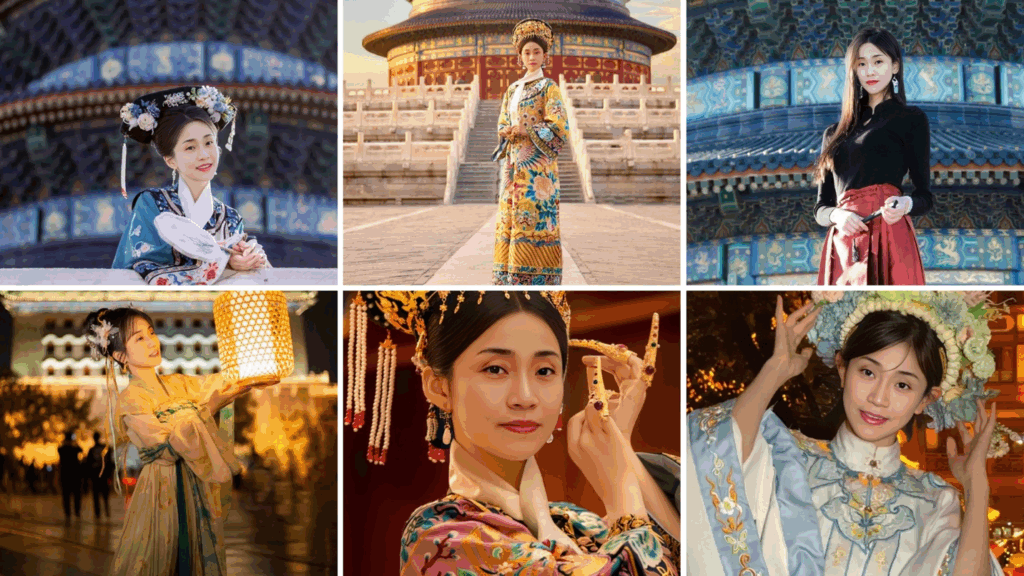
Here’s a fun example that captures the contrast between AI-made and human-made work. In October, while attending the China International Advertising Festival and Ad Asia in Beijing, I tried an AI photo booth that put me in traditional Chinese attire at various Beijing landmarks. The results—produced in minutes—were impressive. For a moment, I really did think many photographers might lose their jobs.
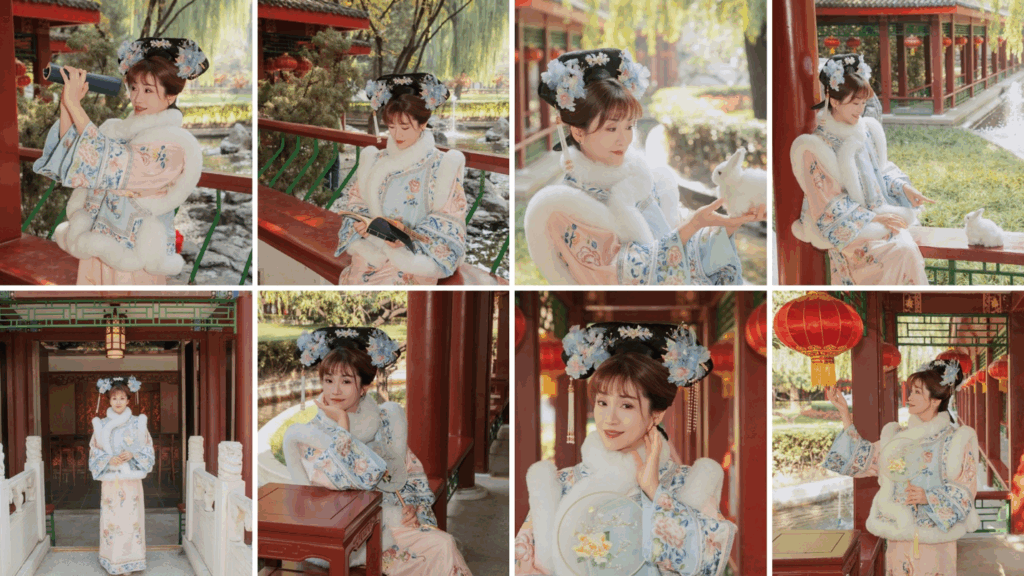
Then I booked an actual photoshoot at the hotel. It included makeup, styling, and a session in the hotel’s beautiful garden. The whole process took hours—but when I saw the photos, I realized something important: not all photographers are going to lose their jobs. I would absolutely pay more and invest the time for unique, high-quality images created by a human.
A funny twist: a few days later, I saw a friend from the same conferences post the exact same set of AI photos on Facebook—only with her face swapped in instead of mine.